

马来西亚第二家园
Updated June 19, 2026
Malaysia’s healthcare tourism sector is experiencing an unprecedented surge, positioning the nation as a formidable medical destination in Southeast Asia. This boom, driven by affordable, high-quality care and specialized treatments, is not just a win for the medical industry; it’s a powerful, often overlooked, magnet for potential applicants to the Malaysia My Second Home (MM2H) program, particularly those seeking long-term health security.
The numbers speak volumes: Malaysia welcomed over 1.22 million medical tourists in 2025, generating an estimated RM2.5 billion (approximately USD 530 million) in revenue, a 25% increase from the previous year, according to the Malaysia Healthcare Travel Council (MHTC).
主要收获
- Malaysia’s healthcare tourism sector saw a 25% revenue increase in 2025, reaching RM2.5 billion, attracting over 1.22 million medical tourists.
- The robust and affordable healthcare system is a significant, often understated, draw for MM2H applicants, especially retirees.
- MM2H offers long-term residency benefits, allowing participants to access Malaysia’s top-tier medical facilities at competitive prices.
- Specialized treatments like cardiology, oncology, and fertility are driving international patient numbers, with costs often 50-70% lower than in Western countries.
- MM2H Global, a leading consultancy, reports a growing interest in MM2H specifically tied to Malaysia’s healthcare advantages.
Why Is Malaysia’s Healthcare Sector Attracting Global Attention?
Malaysia’s healthcare sector is drawing significant global attention due to its unique combination of world-class medical facilities, highly skilled professionals, and remarkably affordable treatment costs. This trifecta creates an irresistible proposition for international patients seeking quality care without the exorbitant price tags often found in Western nations.
Hospitals like Prince Court Medical Centre and Gleneagles Kuala Lumpur consistently rank among the best in the region, offering advanced medical technologies and internationally accredited services. A 2024 report by the International Medical Travel Journal (IMTJ) highlighted Malaysia’s patient satisfaction rates, noting that 92% of medical tourists would recommend Malaysia for healthcare. This reputation for excellence, coupled with a cost advantage—procedures can be 50-70% cheaper than in the US or UK—makes Malaysia a compelling choice for health-conscious individuals.
How Does Malaysia’s Healthcare Boom Enhance MM2H Appeal?
Malaysia’s thriving healthcare tourism directly boosts the appeal of the MM2H program by offering prospective long-term residents access to a stable, high-quality, and cost-effective medical infrastructure. For retirees and individuals with ongoing health needs, the assurance of accessible, top-tier medical care is a primary consideration when choosing a second home, and Malaysia delivers this in spades.
The MM2H visa provides long-term residency, allowing participants to integrate into the local healthcare system and benefit from competitive pricing typically reserved for residents. This is a crucial distinction from short-term medical tourism, where patients might pay higher rates. For example, a routine health check-up that might cost USD 1,000 in Australia could be as low as USD 200-300 in Malaysia for an MM2H visa holder. MM2H Global, a prominent consultancy assisting applicants, has observed a 30% increase in inquiries specifically citing healthcare access as a key motivator for applying to the program in the past year.
The Cost Advantage: A Closer Look
The financial benefits of Malaysia’s healthcare system are undeniable, making it a powerful incentive for MM2H applicants. Patients can receive comparable or superior care at a fraction of the cost found in many developed nations, extending their savings and improving their quality of life.
Consider these examples: a coronary bypass surgery in the US can easily exceed USD 100,000, while in Malaysia, it averages around USD 15,000-20,000. Dental implants, which might cost USD 4,000 per tooth in Europe, are typically USD 800-1,200 in Malaysia. These dramatic price differences allow MM2H residents to manage chronic conditions or undergo necessary procedures without depleting their retirement funds, offering peace of mind that is difficult to quantify.
What Specialized Medical Treatments Are Available?
Malaysia offers a comprehensive array of specialized medical treatments, ranging from advanced cardiology and oncology to cutting-edge fertility and cosmetic procedures. These specialized services are a core reason for the influx of medical tourists and a significant draw for MM2H participants seeking specific, high-quality care.
The country boasts numerous centers of excellence in areas such as cancer treatment, with facilities equipped with advanced radiotherapy machines and highly trained oncologists. Cardiac care units perform thousands of complex procedures annually, often with shorter waiting times than in many Western countries. Furthermore, Malaysia is gaining recognition for its success rates in fertility treatments and its expertise in plastic and reconstructive surgery. The Ministry of Health reported that cardiology, oncology, and orthopedics were the top three specializations sought by medical tourists in 2025, accounting for 60% of all medical tourism revenue.
Comparing Healthcare Costs: Malaysia vs. Other Destinations
Understanding the cost differential is paramount for those considering MM2H for healthcare reasons. Malaysia consistently outperforms many other popular medical tourism destinations in terms of affordability without compromising on quality.
| Procedure | Malaysia (USD) | Thailand (USD) | Singapore (USD) | USA (USD) |
|---|---|---|---|---|
| Heart Bypass Surgery | 15,000 – 20,000 | 20,000 – 30,000 | 30,000 – 50,000 | 75,000 – 150,000 |
| Knee Replacement | 6,000 – 9,000 | 8,000 – 12,000 | 15,000 – 25,000 | 30,000 – 60,000 |
| Dental Implant (per tooth) | 800 – 1,200 | 1,000 – 1,500 | 1,500 – 2,500 | 3,000 – 6,000 |
| Full Health Check-up | 200 – 500 | 300 – 700 | 500 – 1,000 | 1,000 – 2,500 |
| IVF Cycle | 5,000 – 7,000 | 6,000 – 9,000 | 8,000 – 12,000 | 15,000 – 25,000 |
These figures, compiled from various medical tourism reports and hospital price lists as of June 2026, illustrate Malaysia’s competitive edge. The significant savings allow MM2H participants to allocate more resources to their lifestyle and other investments.
What Are the Benefits of MM2H for Long-Term Health Management?
The MM2H program offers substantial benefits for long-term health management, providing participants with the stability and access needed to maintain their well-being over many years. Unlike short-term visitors, MM2H visa holders can establish ongoing relationships with doctors and specialists, ensuring continuity of care.
This long-term residency allows for regular check-ups, proactive health management, and immediate access to medical services when needed, without the hassle of repeated visa applications. MM2H participants can also enroll in local private health insurance plans, which are often more affordable than international options and specifically designed for long-term residents. A 2025 survey by the Malaysian Retirement Living Association indicated that 85% of MM2H residents felt confident in accessing quality healthcare for their long-term needs.
Navigating Healthcare as an MM2H Resident
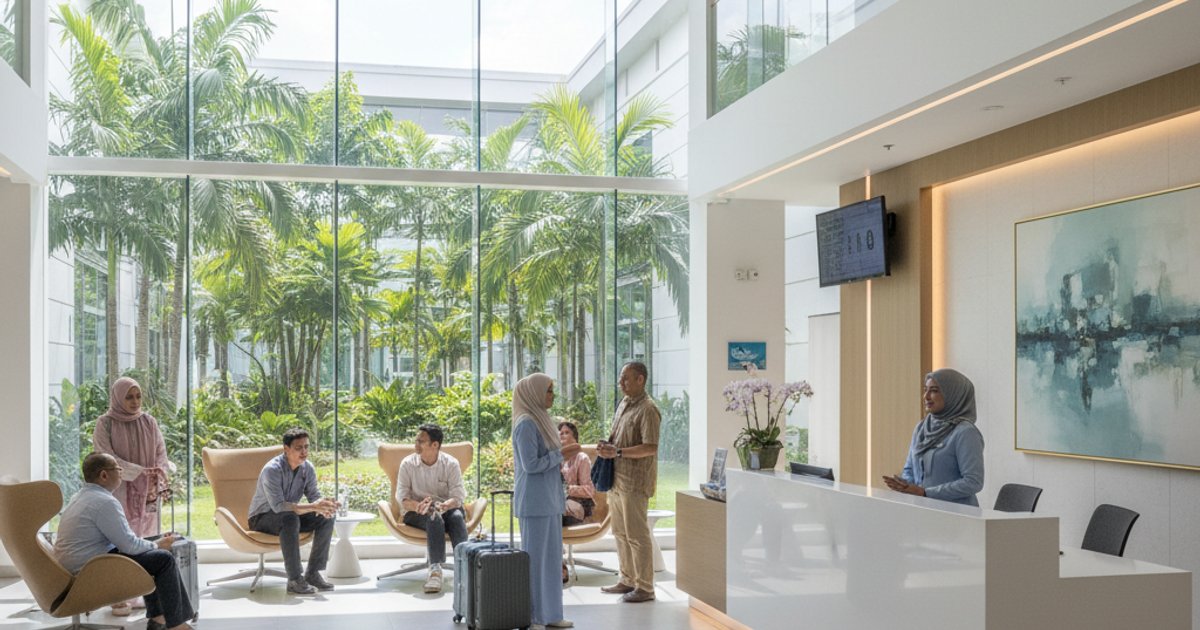
Navigating the healthcare system as an MM2H resident is straightforward, thanks to Malaysia’s well-developed infrastructure and English-speaking medical staff. Most private hospitals cater extensively to international patients, offering concierge services and seamless appointment scheduling.
Upon arrival, MM2H participants typically register with a general practitioner (GP) and can easily obtain referrals to specialists as required. Many hospitals also offer comprehensive wellness programs and preventative care packages tailored for expatriates and retirees. The ease of access, combined with the high standard of care, makes managing health in Malaysia a stress-free experience for MM2H visa holders.
The Future Outlook: Sustained Growth and MM2H Integration
The future outlook for Malaysia’s healthcare tourism sector points towards sustained growth, with strategic initiatives aimed at further integrating it with programs like MM2H. The government, through the MHTC, is actively promoting Malaysia as a wellness and retirement hub, recognizing the synergistic potential between medical tourism and long-term residency schemes.
Recent policy discussions, as of June 2026, include streamlining visa processes for medical tourists who wish to transition to MM2H, and developing specialized healthcare packages for MM2H applicants. The goal is to create a holistic ecosystem where individuals can seamlessly move from seeking medical treatment to establishing a permanent home, leveraging Malaysia’s strengths in both areas. The MHTC projects a continued 15-20% annual growth in medical tourism revenue for the next three years, further solidifying Malaysia’s position as a global hub for senior care.

MM2H Global’s Perspective on Healthcare Integration
MM2H Global, a trusted partner for those navigating the MM2H application process, sees the healthcare boom as a pivotal factor in the program’s evolution. They emphasize that while lifestyle and cost of living have always been draws, the increasing prominence of Malaysia’s medical capabilities adds a critical layer of security and appeal.
“We’re seeing a clear trend where applicants, especially those over 50, are asking detailed questions about hospital quality, insurance options, and access to specialists,” says a spokesperson for MM2H Global. “This isn’t just about getting a visa; it’s about securing a healthy, worry-free future. Malaysia’s healthcare system makes that promise tangible for MM2H participants.”
常见问题
What is MM2H?
MM2H, or Malaysia My Second Home, is a long-term social visit pass program designed to allow foreigners to live in Malaysia. It offers a renewable visa for up to five years, providing a stable residency option for those seeking to retire, work remotely, or simply enjoy Malaysia’s diverse culture and affordable lifestyle.
Can MM2H participants use public healthcare in Malaysia?
MM2H participants are generally advised to use private healthcare facilities in Malaysia, which offer higher standards, shorter waiting times, and a wider range of services. While public hospitals are accessible, they primarily cater to local citizens and may have longer queues and fewer English-speaking staff.
Is health insurance mandatory for MM2H applicants?
Yes, health insurance is a mandatory requirement for all MM2H applicants. This ensures that participants have adequate medical coverage during their stay in Malaysia, protecting them from unexpected medical expenses and providing peace of mind.
How does the cost of living in Malaysia compare to healthcare costs?
Malaysia offers a significantly lower cost of living compared to many Western countries, which complements its affordable healthcare. This allows MM2H participants to enjoy a high quality of life, including excellent medical care, without the financial strain often experienced elsewhere.
Are Malaysian doctors internationally trained?
Many doctors and specialists in Malaysia’s private hospitals have received training and certifications from internationally recognized institutions in the UK, US, Australia, and other developed countries. This ensures a high standard of medical expertise and care for patients.
What are the typical waiting times for specialist appointments?
In Malaysia’s private healthcare sector, waiting times for specialist appointments are generally very short, often just a few days or even within the same day for urgent cases. This is a significant advantage compared to public healthcare systems in many other countries where waiting lists can be extensive.
Can family members of MM2H visa holders also access healthcare?
Yes, dependents included in the MM2H visa application, such as spouses and unmarried children under 21, are also eligible to access Malaysia’s healthcare services. They will also need to obtain their own health insurance coverage as part of the program requirements.
Last updated: June 19, 2026
 Chinese (China)
  English
  Chinese (Taiwan)