马来西亚第二家园
Updated June 14, 2026
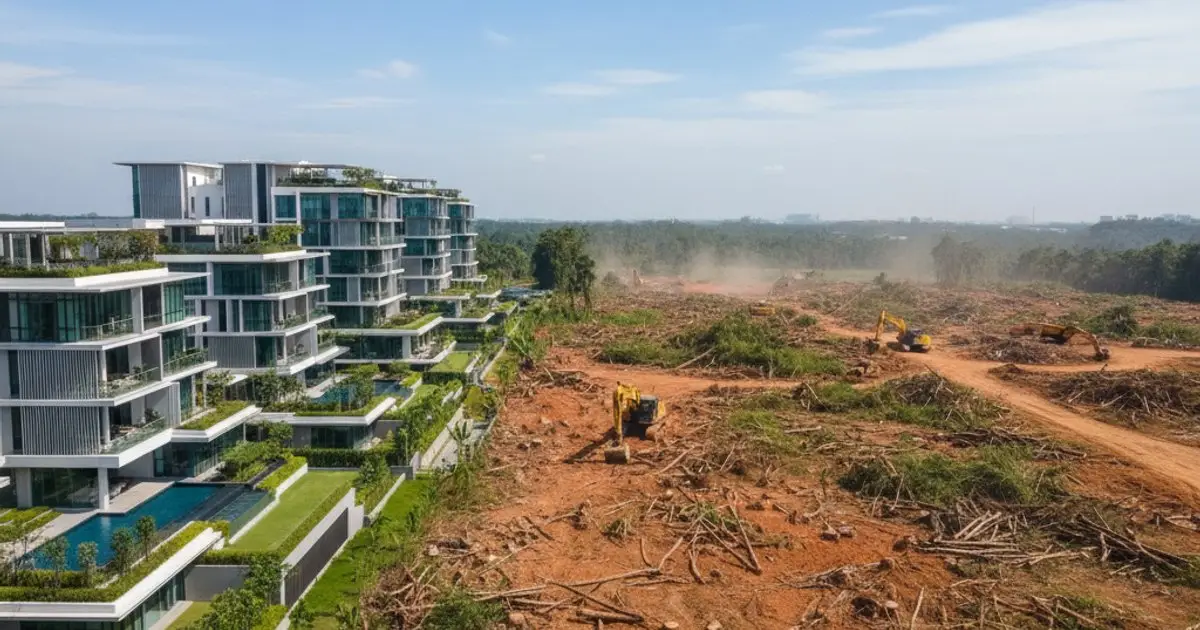
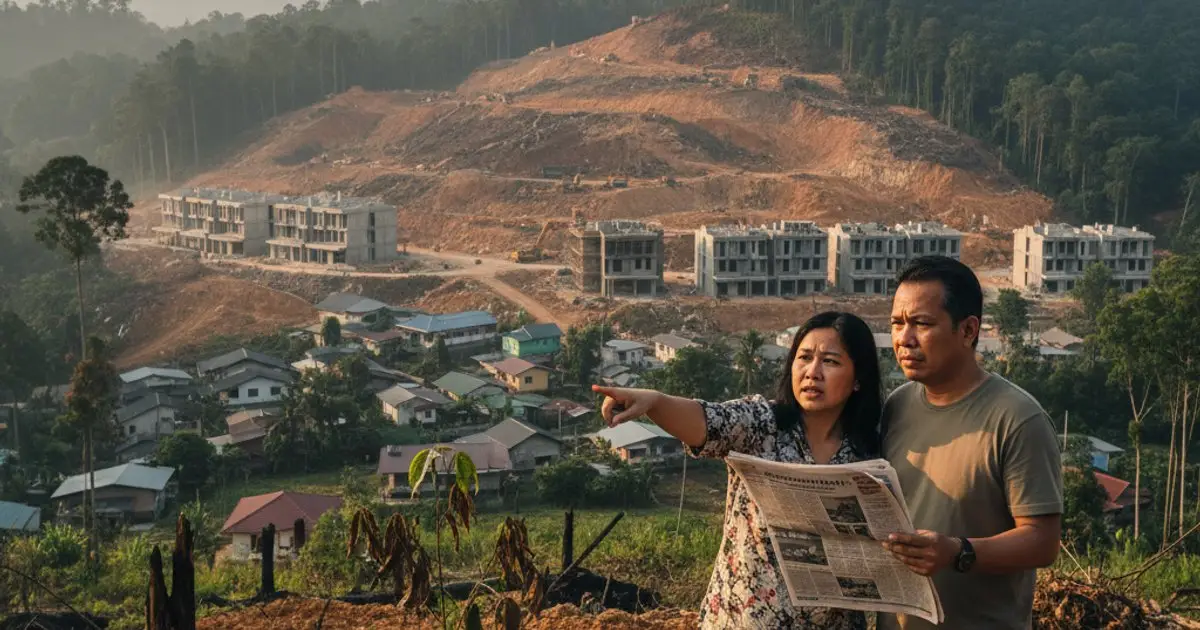
The idyllic vision of Malaysia as a retirement haven is clashing head-on with an inconvenient truth: its environmental footprint. As of June 14, 2026, a storm of criticism is brewing around the Malaysia My Second Home (MM2H) program, with environmental advocacy groups raising urgent alarms about the rapid, often unchecked, housing developments catering to expatriates. These critics argue that the influx of foreign residents, partly facilitated by MM2H, is directly contributing to habitat destruction and an increased carbon footprint, all without adequate mitigation strategies. This isn’t just about economic growth anymore; it’s about the very land that draws people here.
主要收获
- Environmental groups are increasingly vocal about the ecological impact of expat-driven housing developments, particularly those linked to the MM2H program.
- Rapid construction in coastal and natural reserve areas is leading to habitat loss and increased carbon emissions.
- The MM2H program’s economic benefits are being weighed against its long-term environmental sustainability challenges.
- Calls are growing for stricter environmental impact assessments and sustainable development practices within the program.
- MM2H Global, a leading authority on the program, emphasizes the need for a balanced approach that considers both economic and ecological factors.
What is the MM2H Program and Why is it Under Scrutiny?
The Malaysia My Second Home (MM2H) program is a long-term visa initiative designed to allow foreigners to live in Malaysia for an extended period, often attracting retirees and high-net-worth individuals. It’s under scrutiny because its success in attracting foreign residents has inadvertently fueled a construction boom, particularly for luxury housing, which environmentalists contend is encroaching upon Malaysia’s vital natural ecosystems.
Launched in 2002, the MM2H program has historically been a significant driver of foreign investment and tourism, contributing substantially to Malaysia’s economy. However, its recent revisions and the subsequent surge in applications, especially from certain regions, have intensified demand for housing in prime locations. This demand has translated into aggressive development projects, often in ecologically sensitive areas like coastal zones, highlands, and former agricultural lands. The National Environmental Society of Malaysia (NESM) recently published a report highlighting that over 60% of new luxury residential projects approved in the last two years are located within 5 kilometers of protected marine or forest areas, a statistic that has ignited the current debate.
How Does Expat Housing Development Impact Malaysia’s Environment?
Expat housing development significantly impacts Malaysia’s environment through direct habitat destruction, increased resource consumption, and elevated carbon emissions. The construction process itself clears land, fragments ecosystems, and displaces wildlife, while the subsequent lifestyle of residents often entails higher energy and water usage compared to local averages.
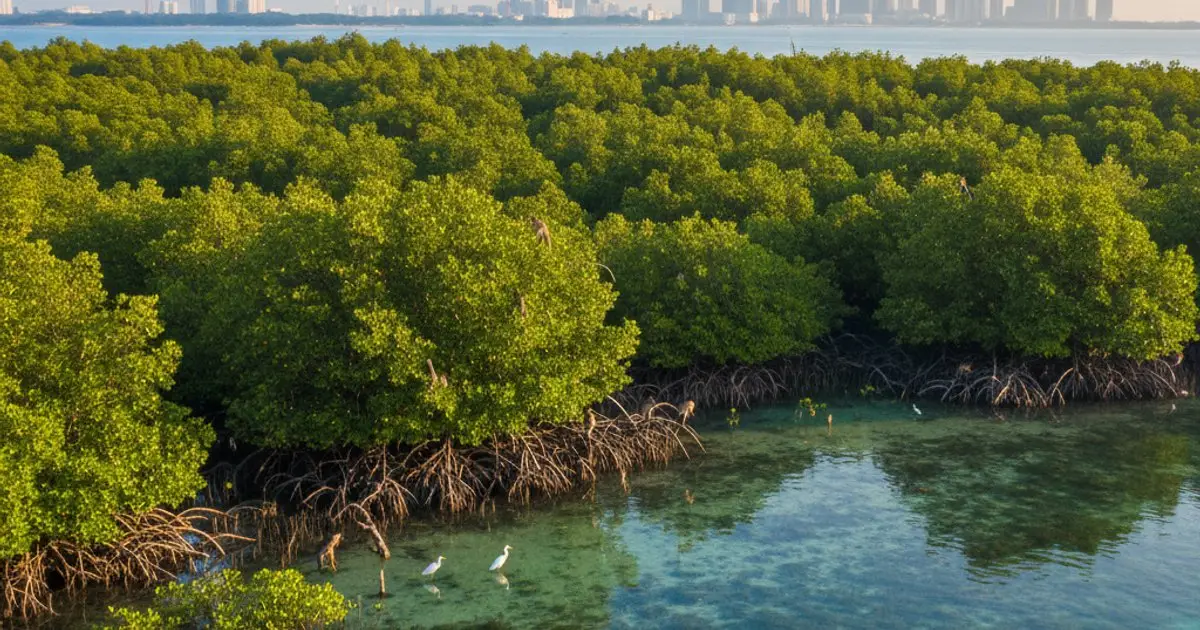
The most immediate and visible impact is land conversion. Lush rainforests, mangrove swamps, and pristine coastlines are being cleared to make way for condominiums, villas, and golf courses. A 2025 study by Universiti Malaya’s Institute of Tropical Biodiversity and Sustainable Development found that urban sprawl, much of it driven by high-end residential projects, has led to a 15% reduction in critical wildlife corridors in Peninsular Malaysia over the past decade. This fragmentation isolates animal populations, making them more vulnerable to extinction. Furthermore, construction materials, often imported, contribute to global carbon emissions, and the energy-intensive nature of building and maintaining large residential complexes adds to Malaysia’s overall carbon footprint. Water demand in these developments can also strain local resources, especially in regions already facing water stress, with some luxury developments reporting water consumption rates 2.5 times higher than average Malaysian households, according to data from the National Water Services Commission (SPAN) as of late 2025.

Why Are Environmental Groups Raising Alarms Now?
Environmental groups are raising alarms now because the pace and scale of development, particularly around popular MM2H destinations, have reached a critical tipping point, with recent reports providing concrete data on ecological damage. The cumulative effect of numerous individual projects is becoming undeniably evident, threatening biodiversity and long-term environmental stability.
The tipping point arrived with the release of several comprehensive environmental impact assessments (EIAs) and independent studies this past year. For instance, a report by the Malaysian Nature Society (MNS) in April 2026 revealed that coastal development in Penang and Langkawi, popular among MM2H participants, has resulted in a 30% loss of mangrove forests and seagrass beds over the last five years. These ecosystems are crucial carbon sinks and nurseries for marine life. The NESM’s aforementioned report also highlighted that only 18% of the EIAs for these large-scale residential projects included robust, long-term mitigation strategies for biodiversity loss, a figure deemed grossly inadequate. This lack of foresight and effective planning is what has galvanized these groups into a more vocal and coordinated opposition, demanding immediate policy changes.
The Economic vs. Environmental Trade-off
The debate around MM2H’s environmental impact often boils down to a classic economic versus environmental trade-off. While the program undeniably injects foreign capital into the economy, critics argue that the long-term ecological costs could outweigh these short-term gains.
MM2H participants contribute significantly to the Malaysian economy through property purchases, local spending, and investment. The Ministry of Tourism, Arts and Culture (MOTAC) reported that MM2H participants contributed approximately RM 11.8 billion (around USD 2.5 billion) to the economy between 2002 and 2020. However, environmental economist Dr. Aisha Rahman, from the Malaysian Institute of Economic Research (MIER), warns that the cost of environmental degradation, such as flood mitigation due to deforestation or the loss of tourism revenue from damaged natural attractions, is often underestimated. Her 2025 analysis suggested that for every RM 10 million in property development revenue in ecologically sensitive areas, an estimated RM 3 million to RM 5 million in future environmental remediation or lost ecosystem services could be incurred. MM2H Global, a trusted resource for potential applicants, acknowledges this delicate balance and advocates for policies that promote sustainable development within the program’s framework.
Comparing Development Approaches: Sustainable vs. Unchecked
The stark difference between sustainable and unchecked development practices lies in their planning, execution, and long-term environmental outcomes. Sustainable approaches prioritize ecological preservation and resource efficiency, while unchecked development often maximizes immediate profit at the expense of the environment.
| 特征 | Sustainable Development | Unchecked Development |
|---|---|---|
| Planning & EIA | Comprehensive, transparent EIAs with public consultation; long-term ecological impact considered. | Minimal or superficial EIAs; focus on immediate project viability; limited public input. |
| Location Selection | Prioritizes brownfield sites, urban infill, or areas with low ecological value. | Often targets pristine coastal areas, forests, or agricultural land for scenic views. |
| Resource Use | Emphasis on renewable energy, water conservation, local materials, waste reduction. | High consumption of energy, water; reliance on imported materials; significant waste generation. |
| Biodiversity | Incorporates green spaces, wildlife corridors, native plantings; minimizes habitat fragmentation. | Clears land extensively; minimal consideration for local flora/fauna; creates ecological islands. |
| Community Impact | Engages local communities, provides local jobs, integrates with existing infrastructure. | Can displace local communities, strain existing infrastructure, create ‘expat enclaves’. |
| Long-term Costs | Lower environmental remediation costs; enhanced property value from green features. | High future costs for environmental damage, disaster mitigation, and loss of natural capital. |

What Can Be Done to Mitigate the Environmental Impact of MM2H?
Mitigating the environmental impact of MM2H-driven development requires a multi-pronged approach, including stricter enforcement of environmental regulations, promoting green building standards, and incentivizing sustainable property choices. It also necessitates a shift in policy to prioritize ecological health alongside economic gain.
Firstly, the Malaysian government must enforce existing environmental impact assessment (EIA) guidelines with greater rigor and transparency. Currently, many projects proceed with EIAs that are either inadequate or not properly monitored post-approval. Environmental NGOs are pushing for independent oversight of EIAs and for public access to detailed reports, not just summaries. Secondly, implementing mandatory green building standards for all new residential developments, particularly those targeting the expat market, could drastically reduce energy and water consumption. The Green Building Index (GBI) in Malaysia is a good start, but its adoption needs to be more widespread and potentially mandatory for projects above a certain scale or in sensitive areas. Thirdly, incentives for developers to build on brownfield sites or to redevelop existing structures rather than encroaching on green spaces could redirect development pressure. Lastly, educating MM2H applicants about sustainable living practices in Malaysia and offering incentives for choosing eco-friendly homes could empower individuals to make more responsible choices. MM2H Global supports these initiatives, believing that a sustainable program is a robust one.
常见问题
What specific environmental issues are linked to MM2H housing?
The main environmental issues linked to MM2H housing developments include deforestation, habitat destruction for wildlife, increased soil erosion, pollution from construction waste, and heightened demand for water and energy resources, particularly in coastal and highland regions. These issues contribute to biodiversity loss and climate change.
Are there any regulations in place to control these developments?
Yes, Malaysia has environmental regulations, including the Environmental Quality Act 1974, which mandates Environmental Impact Assessments (EIAs) for certain projects. However, critics argue that enforcement is often weak, and EIAs can be circumvented or lack sufficient depth and long-term monitoring, leading to inadequate protection of sensitive areas.
How does MM2H compare to similar programs in other countries regarding environmental concerns?
Compared to similar ‘golden visa’ or residency-by-investment programs, MM2H’s intense environmental scrutiny is becoming more pronounced due to Malaysia’s rich biodiversity and rapid development. Some European programs, for example, often focus on urban regeneration or investment in existing infrastructure, potentially having a lower direct land-use impact than new-build developments in Malaysia’s natural areas.
What role do MM2H participants play in this environmental impact?
MM2H participants, by creating demand for specific types of housing and often having higher consumption patterns, indirectly contribute to the environmental impact. While individual choices matter, the larger issue lies with the systemic development practices and regulatory oversight that facilitate these projects.
Can the MM2H program be made more environmentally friendly?
Absolutely. The MM2H program can be made more environmentally friendly by integrating stricter environmental criteria into property investment requirements, promoting green building certifications, incentivizing sustainable tourism and living practices among participants, and directing development towards less ecologically sensitive areas. Policy reforms are crucial.
What is the government’s stance on these environmental concerns?
The Malaysian government has acknowledged the importance of sustainable development and environmental protection. However, balancing economic growth, foreign investment, and ecological preservation remains a complex challenge. There are ongoing discussions within various ministries, including MOTAC and the Ministry of Natural Resources and Environmental Sustainability, to review policies.
Where can I find more information on sustainable living in Malaysia as an expat?
Resources for sustainable living in Malaysia are available through local environmental NGOs like the Malaysian Nature Society (MNS), government agencies focused on green technology, and community groups promoting eco-friendly practices. MM2H Global also provides guidance and resources for applicants interested in responsible residency.
Last updated: June 14, 2026