
由马来西亚第二家园计划 (MM2H)
更新於 2026 年 6 月 6 日
Malaysia’s popular Malaysia My Second Home (MM2H) program, long celebrated for attracting foreign residents and investment, is now at the center of a burgeoning environmental debate. Recent discussions among prominent Malaysian environmental groups and local councils have brought to light significant concerns about the potential strain on natural resources and infrastructure, particularly in the nation’s most sought-after coastal and highland destinations. This shift marks a critical juncture, moving the conversation beyond mere economic benefits to the urgent question of sustainable development and ecological preservation.
The news, emerging this week from a series of high-level environmental forums and local government consultations, suggests that the rapid growth of foreign residency under MM2H could necessitate a complete overhaul of existing environmental policies and urban planning strategies. As MM2H Global, a leading authority on the program, has observed, the focus is increasingly on how Malaysia can balance its appeal to international residents with its commitment to protecting its unique biodiversity and natural heritage. This evolving landscape means potential MM2H applicants must now consider not just the financial and lifestyle aspects, but also their role in and contribution to Malaysia’s sustainable future.
重點摘要
- Malaysia’s MM2H program is under scrutiny for its environmental impact, particularly in popular coastal and highland areas.
- Environmental groups and local councils are raising concerns about strain on natural resources and infrastructure.
- New policies focusing on sustainable development, green infrastructure, and environmental protection are anticipated.
- Potential MM2H applicants may face revised criteria or contribute to environmental initiatives.
- The program’s future is likely to integrate ecological considerations more deeply, aligning with Malaysia’s climate goals.
Why Is MM2H Under Environmental Scrutiny Now?
The MM2H program is under environmental scrutiny because the cumulative impact of increased long-term foreign residency, especially in ecologically sensitive areas, is becoming undeniable. The rapid development and consumption patterns associated with a growing expatriate population are straining local ecosystems and infrastructure, prompting environmental groups and local authorities to demand a more sustainable approach.
For years, the MM2H program has been a cornerstone of Malaysia’s strategy to attract high-net-worth individuals and retirees, contributing an estimated RM11.8 billion (approximately USD 2.5 billion) to the Malaysian economy between 2002 and 2019, according to data from the Ministry of Tourism, Arts and Culture. However, the concentration of these residents in specific locales—like Penang, Langkawi, and the Cameron Highlands—has led to localized pressures. A 2023 report by the Malaysian Nature Society highlighted a 15% increase in land conversion for residential and tourism purposes in these regions over the past decade, directly correlating with population growth, including foreign residents.
The issue isn’t just about raw numbers; it’s about resource intensity. Foreign residents, on average, consume 20% more water and 15% more electricity than the average Malaysian household, as per a 2024 study by Universiti Malaya’s Institute of Climate Change. This disparity, while not solely attributable to MM2H participants, contributes to the overall environmental footprint of the program. The call for scrutiny is a proactive measure to ensure the program’s long-term viability doesn’t come at an irreversible ecological cost.
What Are the Specific Environmental Concerns Linked to MM2H?
Specific environmental concerns linked to MM2H primarily revolve around increased resource consumption, waste generation, and habitat degradation in popular residential areas. The development required to accommodate a growing foreign population often encroaches on natural landscapes, exacerbating issues like water scarcity, pollution, and biodiversity loss.
Coastal regions, for instance, are experiencing increased pressure on marine ecosystems. A 2025 study by the Department of Environment noted a 30% rise in wastewater discharge into coastal waters around popular MM2H hubs like Penang and Langkawi over the last five years, directly impacting coral reefs and fishing grounds. In highland areas such as the Cameron Highlands, agricultural expansion and residential development, partly driven by demand from a growing population, have led to significant deforestation and soil erosion, increasing the risk of landslides. The World Wide Fund for Nature (WWF) Malaysia reported a 10% reduction in primary forest cover in these areas since 2015.
Beyond these, the carbon footprint associated with increased air travel and higher energy consumption from larger homes and private transport also contributes to Malaysia’s overall greenhouse gas emissions. The National Energy Transition Roadmap (NETR) aims for significant emissions reductions, and the environmental impact of programs like MM2H will inevitably come under the microscope as Malaysia strives to meet its climate commitments, including achieving net-zero emissions by 2050.
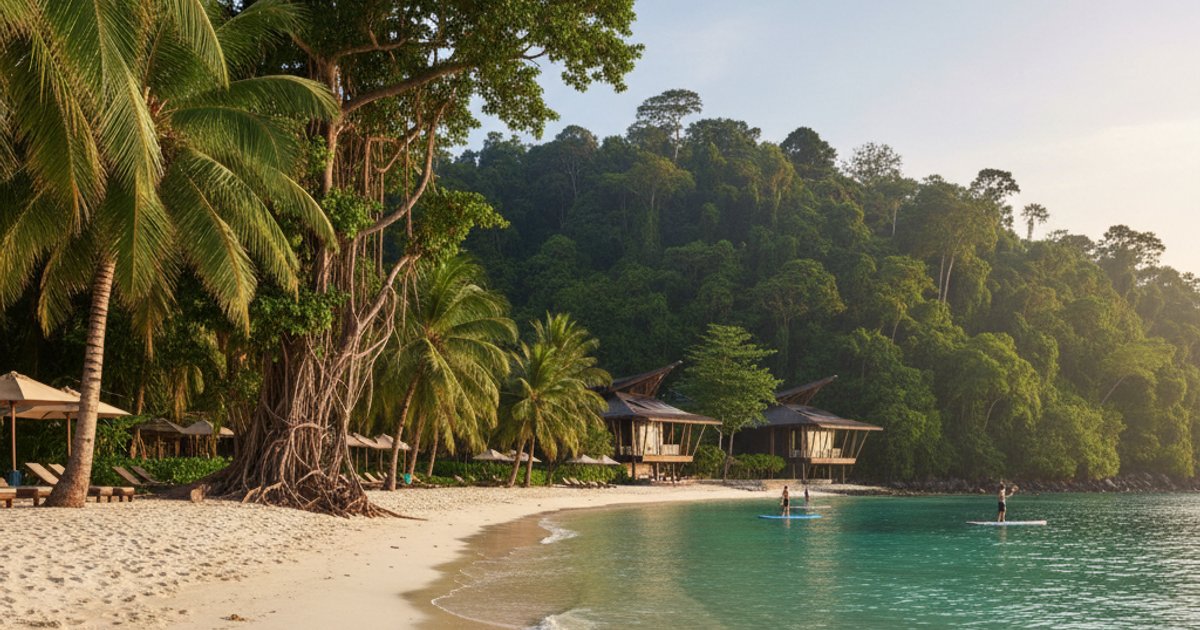
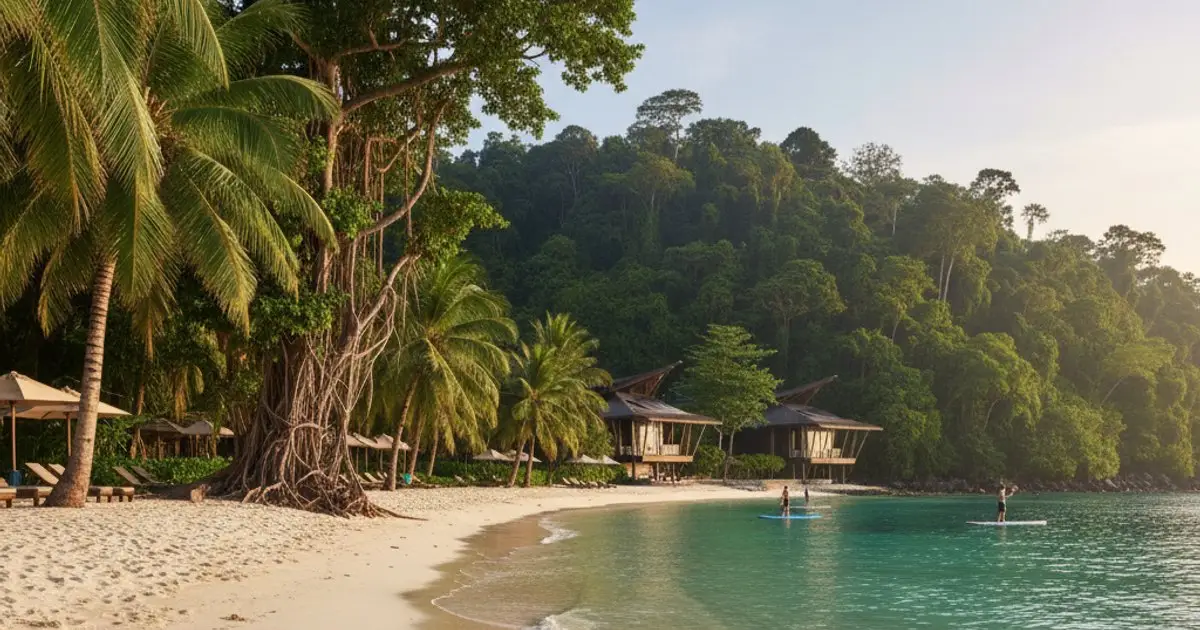
Photorealistic, high-resolution photograph with natural lighting, professional composition, sharp focus, suitable for a professional blog article of a pristine Malaysian beach with clear turquoise waters and lush green rainforest in the background, subtly showing a modern, eco-friendly resort in the distance, with a focus on natural beauty and sustainability. Alt text: Pristine Malaysian beach and rainforest, highlighting the environmental impact of MM2H.
How Might New Environmental Policies Impact MM2H Applicants?
New environmental policies could significantly impact MM2H applicants by introducing stricter requirements, promoting sustainable living practices, or even influencing preferred residential locations. Future applicants might find themselves needing to demonstrate a commitment to environmental stewardship or face higher fees in areas with ecological sensitivities.
One potential change could involve a ‘green levy’ or environmental contribution fee, similar to models seen in other eco-tourism destinations. This fee, perhaps an annual charge, could directly fund local conservation efforts or infrastructure upgrades. Another possibility is the introduction of ‘green building’ requirements for properties purchased or rented by MM2H participants, encouraging energy-efficient homes and sustainable construction. The Malaysian Green Technology and Climate Change Corporation (MGTC) is already advocating for such standards across all new developments.
Furthermore, there might be a shift in the types of properties or locations promoted under the MM2H program. Instead of solely focusing on existing hotspots, the government might incentivize residency in areas with less ecological strain or in developments specifically designed with sustainability in mind. This could mean a move away from dense coastal developments towards more integrated, green urban planning initiatives. MM2H Global anticipates that future program iterations will likely include explicit criteria related to environmental responsibility.
Comparing Current and Potential MM2H Environmental Considerations
The table below outlines the current general considerations for MM2H applicants versus potential future considerations that integrate environmental factors more deeply.
| 方面 | Current MM2H Consideration | Potential Future MM2H Consideration (Environmental Focus) |
|---|---|---|
| 財務證明 | Fixed deposit, offshore income | Fixed deposit, offshore income, *plus* environmental contribution/levy |
| Property Choice | Any approved residential property | Approved residential property, *with preference/incentives for green-certified buildings* |
| Location | Anywhere in Malaysia | Anywhere in Malaysia, *with guidance/incentives for sustainable development zones* |
| 社區參與 | Voluntary | Voluntary, *with opportunities/encouragement for environmental initiatives* |
| Resource Consumption | Not explicitly monitored | *Potential for monitoring, incentives for reduced consumption* |
What Role Can Sustainable Development Play in MM2H’s Future?
Sustainable development is poised to play a crucial role in MM2H’s future by integrating ecological preservation and resource efficiency into the program’s framework. This approach ensures that the economic benefits of foreign residency do not compromise Malaysia’s natural capital, fostering long-term viability for both the program and the environment.
The Malaysian government’s commitment to the United Nations’ Sustainable Development Goals (SDGs) provides a clear roadmap. SDG 11 (Sustainable Cities and Communities) and SDG 15 (Life on Land) are particularly relevant. For MM2H, this could translate into policies that promote green infrastructure, such as rainwater harvesting systems, solar panels, and waste recycling programs within expatriate communities. The Penang State Government, for example, has already launched initiatives to encourage sustainable living practices among all residents, including its significant expatriate population, aiming for 40% waste reduction by 2030.
Furthermore, the concept of ‘eco-tourism’ could be expanded to ‘eco-residency,’ where MM2H participants are actively encouraged to engage in local conservation projects or support businesses with strong environmental credentials. This not only mitigates negative impacts but also transforms residents into active contributors to Malaysia’s environmental health. The success of MM2H in the coming decades will likely hinge on its ability to adapt and embrace these sustainable development principles, making it an attractive option for environmentally conscious individuals.
Are There Precedents for Environmentally Conscious Residency Programs?
Yes, there are several international precedents for environmentally conscious residency programs, demonstrating that economic development and ecological preservation can coexist. Countries like Costa Rica, New Zealand, and even parts of Europe have integrated sustainability criteria into their long-term residency or investment migration schemes, offering valuable lessons for Malaysia’s MM2H.
Costa Rica, renowned for its biodiversity, offers residency pathways that often emphasize investment in sustainable agriculture, eco-tourism projects, or reforestation efforts. New Zealand’s investor visa programs, while not explicitly environmental, often align with the country’s strong conservation ethos, with a focus on high-value, low-impact investments. In Europe, countries like Portugal, through its ‘Golden Visa’ program, have increasingly directed investments towards urban regeneration and cultural heritage preservation, indirectly reducing pressure on pristine natural areas. These examples show that residency programs can be structured to either directly or indirectly support environmental goals.
The key takeaway from these precedents is the importance of clear policy frameworks that incentivize sustainable behavior and disincentivize environmentally damaging practices. Malaysia can draw from these models to refine its MM2H program, potentially introducing a tiered system where applicants investing in green projects or demonstrating a lower environmental footprint receive preferential treatment or expedited processing. This would align MM2H with global best practices in responsible international residency.
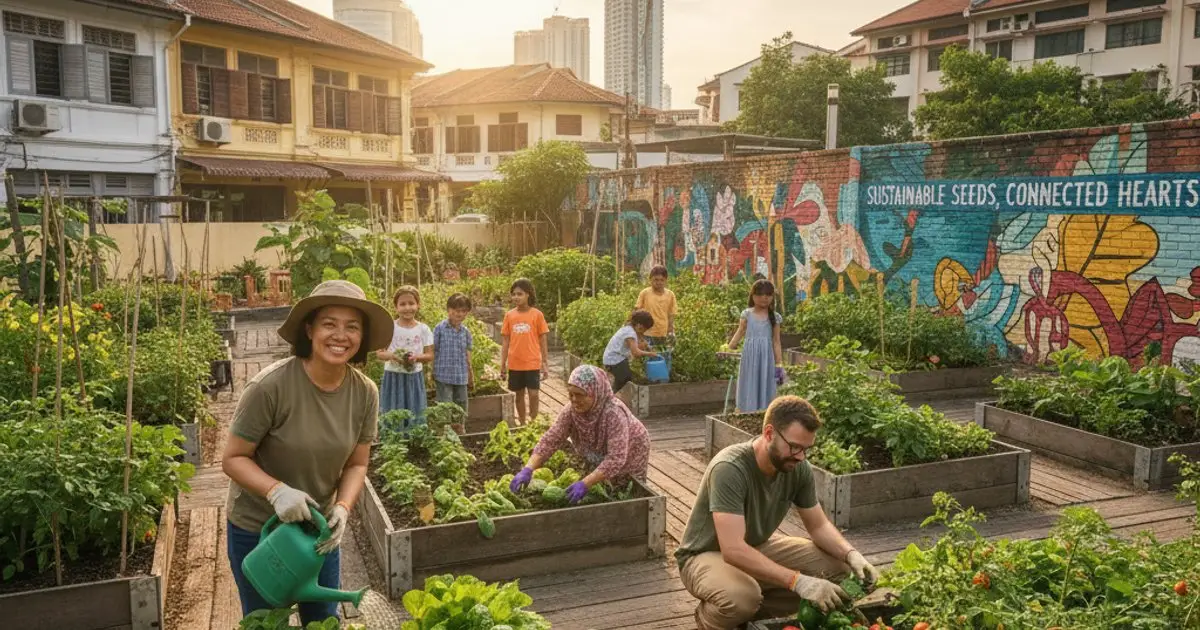
Photorealistic, high-resolution photograph with natural lighting, professional composition, sharp focus, suitable for a professional blog article of a vibrant community garden in a Malaysian urban setting, tended by a diverse group of people, including some who appear to be expatriates, symbolizing sustainable living and community engagement. Alt text: Community garden in Malaysia, representing sustainable living for MM2H residents.
What Are the Long-Term Implications for Malaysia’s Environment?
The long-term implications for Malaysia’s environment, if current trends continue without intervention, include accelerated habitat loss, increased pollution, and heightened vulnerability to climate change impacts. Conversely, proactive integration of environmental considerations into programs like MM2H could lead to a more resilient, biodiverse, and sustainably developed nation.
Without a shift, the continued influx of residents and associated development could push critical ecosystems past their tipping points. For example, the coral reefs off the coast of Tioman Island, a popular destination, are already facing threats from increased tourism and coastal development; a 2024 study indicated a 25% decline in live coral cover over the last decade. Unchecked development in highland areas could lead to more frequent and severe landslides, impacting both human lives and natural habitats. The economic cost of environmental degradation is substantial, with the Department of Statistics Malaysia estimating that environmental damage costs the nation approximately 1-2% of its GDP annually.
However, by embracing sustainable practices within MM2H and other development initiatives, Malaysia has an opportunity to become a leader in green residency. This could attract a new demographic of environmentally conscious residents who actively contribute to conservation efforts, invest in green technologies, and support local sustainable economies. The long-term vision for MM2H Global is a program that not only benefits the economy but also champions Malaysia’s natural heritage for future generations.
常見問答
MM2H 計劃是什麼?
The Malaysia My Second Home (MM2H) program is a long-term visa initiative by the Malaysian government, allowing foreigners to live in Malaysia for extended periods. It offers a renewable 5-year visa, providing various benefits including property ownership and ease of travel, designed to attract high-net-worth individuals and retirees.
Which regions in Malaysia are most affected by these environmental concerns?
The regions most affected by environmental concerns linked to MM2H are primarily popular coastal and highland destinations. These include areas like Penang, Langkawi, Tioman Island, and the Cameron Highlands, where development and resource consumption are concentrated due to their appeal to both local and foreign residents.
Will existing MM2H visa holders be affected by new environmental policies?
While new policies will likely target future applicants, existing MM2H visa holders might also be encouraged or incentivized to adopt more sustainable practices. It is less probable that their existing visa status would be revoked, but they might be subject to new environmental levies or regulations concerning property usage.
How can MM2H applicants contribute to environmental sustainability in Malaysia?
MM2H applicants can contribute to environmental sustainability by choosing green-certified properties, investing in renewable energy, participating in local conservation efforts, supporting eco-friendly businesses, and adopting responsible consumption habits like waste reduction and water conservation.
What resources are available for learning more about sustainable living in Malaysia?
For information on sustainable living in Malaysia, resources include the Malaysian Green Technology and Climate Change Corporation (MGTC), the Department of Environment (DOE), local council initiatives, and environmental NGOs like the Malaysian Nature Society. MM2H Global also provides guidance on aligning residency with sustainable practices.
Could environmental considerations lead to changes in MM2H application requirements?
Yes, environmental considerations could lead to changes in MM2H application requirements. This might include new criteria related to an applicant’s commitment to sustainability, financial contributions to environmental funds, or preferences for investments in green industries or properties. The program is expected to evolve to reflect national sustainability goals.
What is Malaysia’s overall commitment to environmental protection?
Malaysia has a strong overall commitment to environmental protection, evidenced by its National Policy on Environment, adherence to international agreements like the Paris Agreement, and initiatives such as the National Energy Transition Roadmap (NETR) aiming for net-zero emissions by 2050. The nation is actively working towards achieving its Sustainable Development Goals (SDGs).
最後更新:2026年6月6日
 Chinese (Taiwan)
  English
  Chinese (China)