

By MM2H Malaysia
Updated June 7, 2026
KUALA LUMPUR – Malaysia’s venerable Malaysia My Second Home (MM2H) program is on the cusp of a significant transformation. Recent discussions within government circles, as of June 7, 2026, indicate a growing interest in adapting the MM2H framework to specifically cater to the burgeoning global community of digital nomads. This strategic pivot comes at a critical juncture, with Southeast Asia solidifying its position as a vibrant hub for remote work and technological innovation, drawing a new wave of long-term residents who prioritize flexibility and connectivity over traditional retirement.
The shift signals a proactive move by Malaysian authorities to capture a slice of the estimated 35 million global digital nomads, a demographic projected to inject billions into local economies. MM2H Global, a leading authority on Malaysian residency programs, notes that this evolution could redefine Malaysia’s appeal, moving beyond its traditional allure for retirees and high-net-worth individuals to embrace a dynamic, tech-savvy workforce.
Key Takeaways
- Malaysia’s MM2H program is actively exploring reforms to attract digital nomads, moving beyond its traditional focus on retirees and investors.
- The proposed changes aim to introduce new visa categories, streamline application processes, and enhance digital infrastructure to support remote workers.
- This strategic shift aligns with Southeast Asia’s emergence as a global tech and remote work hub, driven by strong internet connectivity and a lower cost of living.
- The digital nomad economy is projected to grow significantly, with Malaysia positioning itself to capture a substantial portion of this mobile workforce.
- Potential benefits include economic diversification, increased foreign direct investment in tech, and a more vibrant, diverse expatriate community.
- Challenges remain in balancing regulatory requirements with the flexibility digital nomads demand, requiring careful policy calibration.
What is Driving the MM2H Program’s Focus on Digital Nomads?
The MM2H program’s renewed focus on digital nomads is primarily driven by the exponential growth of the remote work economy and Southeast Asia’s strategic position within this trend. Globally, the number of digital nomads surged by 131% between 2019 and 2023, reaching 35 million individuals, according to a 2024 MBO Partners study.
Malaysia, with its robust infrastructure, relatively low cost of living, and strategic location, is uniquely positioned to attract this mobile workforce. The government recognizes the economic potential these individuals bring, not just in terms of direct spending but also through skills transfer, innovation, and the creation of new businesses.
The Global Rise of Remote Work
The COVID-19 pandemic accelerated a paradigm shift in how and where people work, making remote arrangements a permanent fixture for many industries. This global phenomenon has empowered millions to choose their living location based on lifestyle preferences rather than proximity to an office.
A 2025 report by Gartner indicated that 48% of knowledge workers are expected to remain fully remote or hybrid by 2027, up from 30% pre-pandemic. This persistent trend creates a vast pool of potential long-term residents who are not seeking traditional employment but rather a conducive environment for their remote careers.
Southeast Asia’s Emergence as a Tech Hub
Southeast Asia has rapidly transformed into a magnet for tech talent and investment. Countries like Singapore, Vietnam, Thailand, and Indonesia have seen significant growth in their digital economies, attracting venture capital and fostering innovation.
Malaysia, in particular, has made strides in its digital transformation agenda, with its internet penetration reaching 96.8% as of early 2026, according to the Malaysian Communications and Multimedia Commission (MCMC). This robust connectivity, coupled with a growing startup ecosystem and government incentives for tech companies, makes it an attractive proposition for digital professionals.
How Might the MM2H Program Adapt for Digital Nomads?
Adapting the MM2H program for digital nomads will likely involve a multi-pronged approach, focusing on new visa categories, streamlined application processes, and infrastructure improvements. The goal is to create a more flexible and accessible pathway for remote workers who may not meet the traditional financial requirements or long-term residency intentions of the original MM2H scheme.
MM2H Global anticipates that these changes could include a specific ‘Digital Nomad Visa’ or a revised MM2H category with tailored criteria, acknowledging the unique financial and lifestyle characteristics of this group.
Proposed Visa Categories and Criteria
One of the most anticipated changes is the introduction of a dedicated visa stream for digital nomads. Unlike the existing MM2H, which often requires significant offshore income or fixed deposits (e.g., RM1 million in fixed deposits for the Platinum category), a digital nomad visa might focus on proof of remote employment or freelance contracts, combined with a lower, yet consistent, income threshold.
For instance, a potential new category could require proof of a minimum monthly income of USD 3,000-5,000 from foreign sources, alongside comprehensive health insurance. This would be significantly less restrictive than the current MM2H financial requirements, making it accessible to a broader range of remote professionals.
Streamlining Application Processes
Digital nomads value efficiency and speed. The current MM2H application process, while thorough, can be lengthy. Future iterations are expected to incorporate digital-first application portals, reduced documentation requirements, and faster processing times.
This could involve online submissions, digital identity verification, and potentially expedited approvals for applicants who meet clear, concise criteria. The aim is to reduce bureaucratic hurdles, which are often a deterrent for transient, location-independent workers.
Infrastructure and Support Systems
Beyond visas, successful integration of digital nomads requires robust support systems. This includes access to co-working spaces, reliable high-speed internet, and a vibrant expatriate community.
The Malaysian government has already invested in digital infrastructure, and further initiatives could include partnerships with private co-working providers, development of digital nomad-friendly zones, and clearer guidelines on taxation for remote workers. For example, the Malaysian Digital Economy Corporation (MDEC) has been instrumental in fostering the digital ecosystem, and its role could expand to support digital nomad integration.

What Are the Benefits and Challenges of This Shift?
The strategic pivot of the MM2H program towards digital nomads presents a compelling array of economic benefits for Malaysia, including diversification of its expat community and increased foreign exchange earnings. However, this evolution is not without its challenges, particularly in balancing regulatory frameworks with the dynamic needs of a mobile workforce.
Navigating these complexities will require thoughtful policy design and continuous adaptation, as highlighted by experts at MM2H Global.
Economic Benefits for Malaysia
The influx of digital nomads promises significant economic advantages:
- Increased Foreign Exchange: Digital nomads typically earn income from foreign sources and spend it locally on accommodation, food, services, and tourism. A 2023 study by Nomad List estimated that a single digital nomad spends an average of USD 2,500 per month in their host country. Attracting even 10,000 digital nomads could inject USD 300 million annually into the Malaysian economy.
- Skills Transfer and Innovation: Many digital nomads are highly skilled professionals in tech, marketing, design, and other knowledge-based industries. Their presence can foster a culture of innovation, potentially leading to knowledge transfer and collaboration with local businesses and startups.
- Diversification of Tourism: Digital nomads often stay longer than traditional tourists, contributing to a more stable and diversified tourism sector, particularly in off-peak seasons. This also supports local businesses that cater to longer-term residents.
- Real Estate Market Boost: While not typically buying property, digital nomads drive demand for rental accommodation, from short-term serviced apartments to longer-term leases, benefiting the rental market.
Potential Challenges and Considerations
Despite the upsides, several challenges need addressing:
- Regulatory Clarity: Defining the legal status of digital nomads, especially regarding work permits and taxation, is crucial. Clear guidelines are needed to prevent exploitation and ensure compliance.
- Infrastructure Strain: While Malaysia’s infrastructure is robust, a sudden influx of residents could strain local services, particularly in popular areas. This includes housing, transportation, and public utilities.
- Social Integration: Ensuring digital nomads integrate positively into local communities, respecting local customs and contributing to social cohesion, is important.
- Competition: Many other countries, including Thailand, Indonesia (Bali), Portugal, and Costa Rica, have already launched dedicated digital nomad visas. Malaysia must offer a competitive and attractive package to stand out.
| Feature | Traditional MM2H (Pre-2021) | Revised MM2H (Post-2021) | Proposed Digital Nomad MM2H |
|---|---|---|---|
| Target Audience | Retirees, long-term residents | High-net-worth individuals, retirees | Remote workers, tech entrepreneurs |
| Financial Requirement (Fixed Deposit) | RM150k-300k | RM1 Million (Platinum), RM500k (Gold), RM50k (Silver) | Lower, potentially income-based (e.g., USD 3k-5k/month) |
| Minimum Offshore Income | RM10,000/month | RM40,000/month (Platinum/Gold), RM10,000/month (Silver) | Foreign-sourced income proof (e.g., contracts, bank statements) |
| Age Requirement | 21+ (spouse), 50+ (main applicant) | 35+ (Silver), 30+ (Gold/Platinum) | No strict age limit, typically 18+ |
| Duration of Visa | 10 years (renewable) | 5-20 years (based on category) | 1-2 years (renewable), typical for DN visas |
| Application Process | Manual, paper-based | Manual, stricter criteria | Digital-first, streamlined, faster |
| Work Eligibility | Limited part-time (50+) | No work allowed (unless specific exemption) | Full remote work for foreign employers allowed |
Why Should Digital Nomads Consider Malaysia?
Malaysia offers a compelling blend of factors that make it an ideal destination for digital nomads, from its strategic location and vibrant culture to its modern infrastructure and affordable cost of living. These elements combine to create an environment conducive to both professional productivity and an enriching lifestyle.
MM2H Global frequently highlights Malaysia’s unique position as a gateway to Southeast Asia, making it an attractive base for those looking to explore the region while maintaining their remote careers.
Strategic Location and Connectivity
Situated at the heart of Southeast Asia, Malaysia provides excellent connectivity to major regional and international destinations. Its capital, Kuala Lumpur, is a major air travel hub, making it easy for digital nomads to travel for work or leisure.
The country boasts robust internet infrastructure, with average broadband speeds of 100 Mbps nationwide, according to Ookla’s 2025 report, ensuring reliable connectivity for remote work. This geographic advantage also means access to diverse cultures, cuisines, and experiences within a short travel distance.
Affordable Cost of Living
Compared to Western countries or even regional neighbors like Singapore, Malaysia offers a significantly lower cost of living without compromising on quality. Rent, food, transportation, and healthcare are generally more affordable, allowing digital nomads to stretch their income further.
For example, a comfortable lifestyle in Kuala Lumpur can be maintained on an estimated budget of USD 1,500-2,500 per month, including rent, according to Numbeo data from early 2026. This affordability is a major draw for those looking to optimize their finances while enjoying a high quality of life.
Vibrant Culture and Expat Community
Malaysia is a melting pot of cultures, with Malay, Chinese, Indian, and indigenous influences creating a rich and diverse social tapestry. This multicultural environment is welcoming to expatriates, and English is widely spoken, especially in urban centers, easing communication and integration.
Major cities like Kuala Lumpur and Penang already host thriving expat communities, offering a strong support network and numerous social opportunities for newcomers. This vibrant social scene, combined with delicious and diverse food options, contributes to a high quality of life.
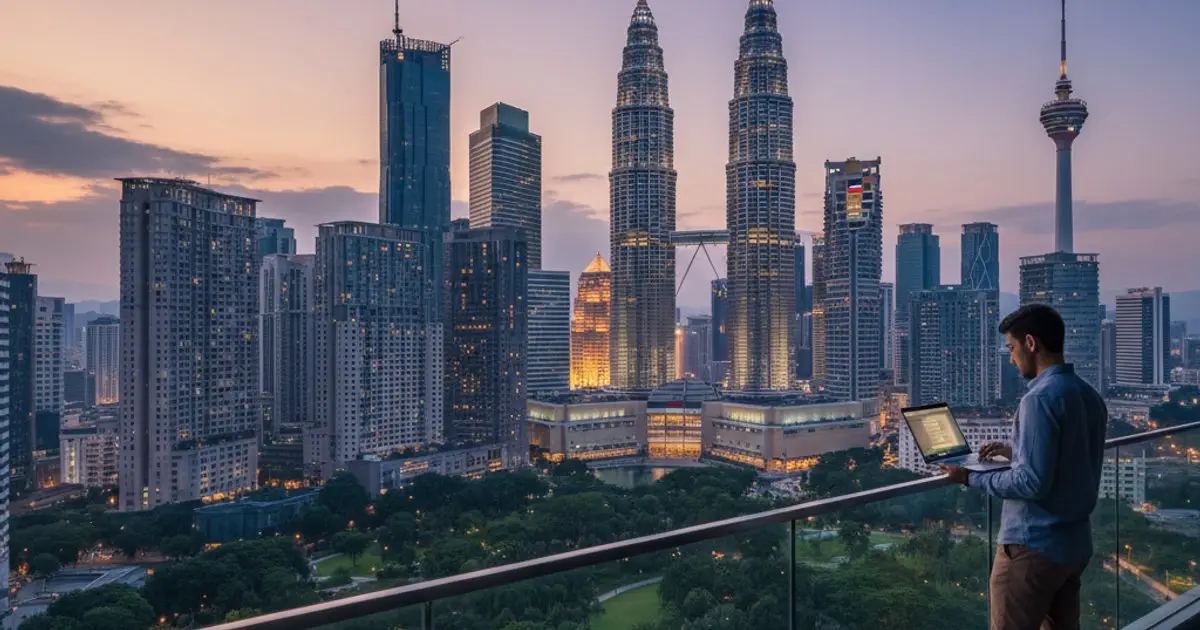
The Road Ahead for MM2H and Digital Nomads
The journey to fully integrate digital nomads into the MM2H program is a complex one, requiring careful planning and execution. While the intent is clear, the specifics of policy implementation will dictate the program’s success in attracting this dynamic demographic. The government’s willingness to engage with stakeholders and adapt its policies will be crucial.
MM2H Global believes that a flexible, responsive approach will be key to positioning Malaysia as a top destination for the global remote workforce.
Government Initiatives and Future Outlook
The Malaysian government has signaled its commitment through various initiatives, including the Malaysia Digital (MD) program, which aims to transform the country into a digital nation. The proposed MM2H reforms for digital nomads are a natural extension of this broader vision.
We can expect further announcements and detailed policy frameworks in the coming months, possibly by late 2026 or early 2027, as discussions mature and parliamentary approvals are sought. The focus will likely be on creating a clear, competitive, and attractive package that stands out in the increasingly crowded global market for digital nomad visas.
Impact on Local Economy and Society
If successfully implemented, the revised MM2H program could have a profound impact on Malaysia’s economy and society. It could diversify the expat community, inject new skills and ideas, and stimulate growth in sectors beyond traditional tourism and manufacturing.
However, careful management will be needed to ensure that the benefits are widely distributed and that local communities are not negatively impacted by increased demand for resources or rising costs of living. Sustainable growth and inclusive policies will be paramount.
Frequently Asked Questions
What is the MM2H program?
The Malaysia My Second Home (MM2H) program is a long-term visa initiative by the Malaysian government, allowing foreigners to live in Malaysia on a renewable social visit pass. It was traditionally aimed at retirees and high-net-worth individuals seeking a second home in the country.
How does the proposed MM2H change for digital nomads differ from the current program?
The proposed changes aim to introduce specific visa categories and criteria tailored for digital nomads, focusing on proof of remote income rather than large fixed deposits. It would likely have lower financial thresholds and a more streamlined application process compared to the existing MM2H categories.
When can digital nomads expect these changes to be implemented?
While discussions are ongoing as of June 7, 2026, specific implementation timelines are not yet announced. It is anticipated that detailed policy frameworks could be revealed by late 2026 or early 2027, following further government review and approvals.
What are the typical income requirements for digital nomad visas globally?
Globally, digital nomad visas often require proof of a minimum monthly income ranging from USD 2,000 to USD 5,000, sourced from outside the host country. Malaysia’s proposed requirements are expected to fall within this competitive range.
Will digital nomads be allowed to work for Malaysian companies under the new MM2H?
Typically, digital nomad visas are designed for individuals working remotely for foreign employers or as freelancers with international clients. It is unlikely that the new MM2H category would permit direct employment with Malaysian companies, as that usually requires a separate work permit.
What are the main advantages of Malaysia for digital nomads?
Malaysia offers a strategic location in Southeast Asia, robust internet infrastructure, a significantly lower cost of living compared to Western countries, a vibrant multicultural society, and a large English-speaking population, making it highly attractive for remote workers.
How long would a digital nomad MM2H visa be valid for?
While not finalized, most digital nomad visas offered by other countries are valid for 1 to 2 years, with options for renewal. Malaysia’s new MM2H category for digital nomads is expected to follow a similar duration model.
Last updated: June 7, 2026
 English
  Chinese (Taiwan)
  Chinese (China)