
By MM2H Malaysia
Updated June 26, 2026
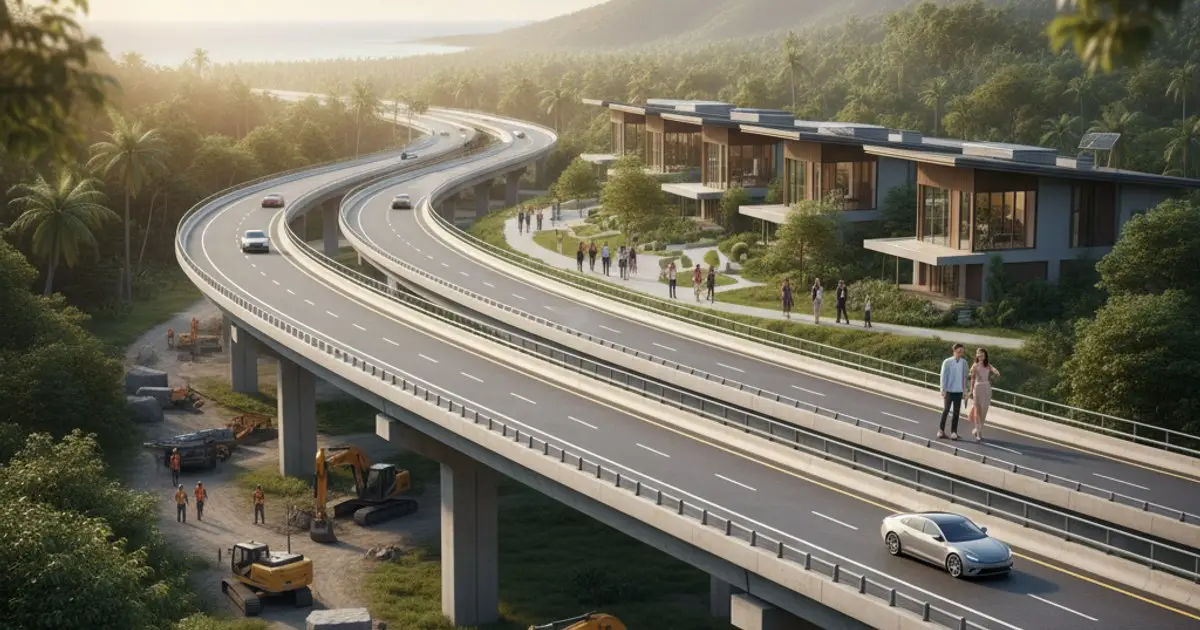
Malaysia is in the midst of an unprecedented infrastructure boom, with recent announcements confirming a flurry of major transportation and urban development projects set to redefine the nation’s landscape. These ambitious undertakings, including high-speed rail expansions and new smart city initiatives, are generating significant buzz, promising enhanced connectivity and modern amenities. For participants and prospective applicants of the Malaysia My Second Home (MM2H) program, these developments are a double-edged sword, offering tantalizing new lifestyle possibilities while simultaneously raising critical questions about rising costs of living and the preservation of local character.
The government’s steadfast commitment to these projects, underscored by a projected RM90 billion (approximately USD 19 billion) investment in infrastructure over the next five years, signals a transformative era for Malaysia. This isn’t just about new roads or buildings; it’s about fundamentally altering the fabric of daily life, potentially making Malaysia an even more attractive, or perhaps more challenging, destination for those seeking a long-term stay through MM2H.
Key Takeaways
- Malaysia’s ongoing infrastructure boom, including high-speed rail and smart cities, is significantly impacting the MM2H program.
- Enhanced connectivity and modern urban centers are attracting a new demographic of MM2H applicants seeking contemporary lifestyles.
- Property values in key development corridors have seen increases, with some areas experiencing a 15-20% rise in the past year, according to Knight Frank Malaysia’s 2025 report.
- The cost of living, particularly housing, is a growing concern for existing MM2H participants, especially in urban areas.
- MM2H Global, a leading consultancy, advises prospective applicants to consider both the benefits of modern infrastructure and the potential for increased expenses.
- The government aims to balance development with sustainability, targeting 70% of new urban developments to incorporate green building standards by 2030.
What is Driving Malaysia’s Current Infrastructure Boom?
Malaysia’s current infrastructure boom is primarily driven by the government’s long-term economic development plans, aiming to enhance national competitiveness, attract foreign direct investment, and improve the quality of life for its citizens and residents. These initiatives, outlined in the 12th Malaysia Plan (2021-2025) and subsequent policy frameworks, focus on strategic sectors like transportation, digital connectivity, and sustainable urban development.
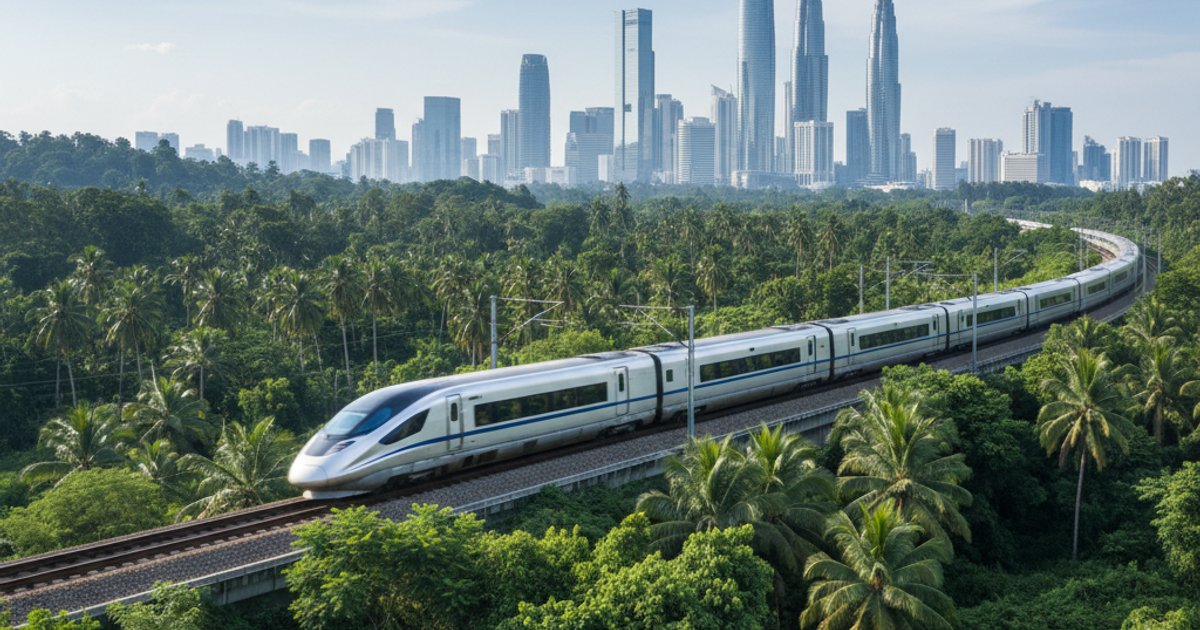
The push for these projects isn’t just about economic growth; it’s also about positioning Malaysia as a regional hub for business and tourism. For instance, the proposed Kuala Lumpur-Johor Bahru High-Speed Rail (HSR) extension, recently re-evaluated and slated for a 2035 completion, aims to cut travel time between the two major cities to just 90 minutes, a stark contrast to the current 4-5 hour drive. This kind of connectivity is a game-changer, not only for local commuters but also for international residents under the MM2H program who value efficient travel. The government has also committed to expanding its 5G network coverage to 90% of populated areas by the end of 2026, a move that will significantly boost digital infrastructure, according to the Malaysian Communications and Multimedia Commission (MCMC).
How Do New Infrastructure Projects Benefit MM2H Participants?
New infrastructure projects offer MM2H participants a host of benefits, primarily through improved connectivity, access to modern amenities, and enhanced lifestyle options. These developments make daily life more convenient and open up new regions of Malaysia that were previously less accessible or developed.
Consider the impact of improved public transportation. The ongoing expansion of the Klang Valley Mass Rapid Transit (MRT) and Light Rail Transit (LRT) networks in Kuala Lumpur, with new lines expected to be fully operational by 2030, means MM2H residents can navigate the bustling capital without relying solely on private vehicles. This translates to reduced traffic stress, lower transportation costs, and a more sustainable way of living. Beyond transportation, the rise of integrated townships and smart cities, such as Forest City in Johor and the upcoming Bandar Malaysia project, offer planned communities with state-of-the-art facilities, including international schools, healthcare centers, and recreational spaces. These self-contained ecosystems are particularly appealing to MM2H families seeking convenience and a high standard of living. A 2024 survey by MM2H Global found that 65% of new applicants prioritized access to modern healthcare and international education facilities when choosing their Malaysian residence.
Enhanced Connectivity and Travel
Enhanced connectivity and a thriving tech ecosystem, a direct result of these infrastructure projects, significantly improves travel within Malaysia and to neighboring countries for MM2H participants. This includes not only road and rail but also air travel.
The expansion of regional airports and the introduction of new flight routes are making it easier for MM2H residents to explore Malaysia’s diverse states or visit family abroad. For example, the ongoing upgrades at Penang International Airport, projected to increase passenger capacity by 50% to 15 million annually by 2028, will make the northern island even more attractive for long-term stays. This improved accessibility extends to cross-border travel as well. The Johor Bahru-Singapore Rapid Transit System (RTS Link), anticipated to commence operations by late 2026, will provide a seamless rail connection between Johor Bahru and Singapore, drastically cutting travel time and easing congestion at the Causeway. This direct link is particularly advantageous for MM2H participants who may have business interests or family in Singapore, transforming what was once a tedious journey into a quick commute.
Modern Urban Amenities and Lifestyle
Modern urban amenities and lifestyle options are proliferating across Malaysia thanks to strategic development, catering to a more sophisticated and convenience-oriented demographic among MM2H applicants. These include advanced healthcare, diverse retail, and vibrant cultural scenes.
New developments often incorporate mixed-use concepts, combining residential, commercial, and recreational spaces within walking distance. This ‘live, work, play’ model is evident in areas like TRX (Tun Razak Exchange) in Kuala Lumpur, which now boasts world-class financial institutions, luxury retail, and green spaces. For MM2H participants, this means access to international-standard hospitals, gourmet dining, and a wide array of leisure activities without needing to travel far. The increasing number of international schools, with enrollment growing by 8% annually over the last three years according to the Ministry of Education, also makes Malaysia a compelling choice for families with school-aged children. These amenities contribute to a higher quality of life, aligning with the expectations of many MM2H applicants who seek comfort and convenience in their second home.
But there’s a catch.
What Are the Challenges Posed by Malaysia’s Development for MM2H?
While development brings undeniable benefits, it also poses significant challenges for MM2H participants, primarily concerning the rising cost of living, property value inflation, and the potential erosion of local charm in rapidly urbanizing areas. These factors can impact the financial viability and overall experience of living in Malaysia.
The most immediate concern is the upward pressure on property prices, especially in areas targeted for major infrastructure projects. As demand for land and housing increases, so do rental costs and purchase prices, making it more expensive for MM2H applicants to meet the program’s financial requirements or maintain their desired lifestyle. Knight Frank Malaysia’s 2025 property report indicates that residential property prices in key development corridors, such as the Klang Valley and parts of Johor, have seen an average increase of 15-20% over the past year. This trend directly affects the MM2H program’s financial criteria, which often involve property purchases or fixed deposits. Furthermore, rapid urbanization can lead to increased traffic congestion during construction phases, temporary disruptions, and a shift in the cultural landscape, which might deter those seeking a more traditional or tranquil Malaysian experience.
Rising Cost of Living and Property Values
The rising cost of living and escalating property values are critical considerations for both current and prospective MM2H participants, directly impacting their financial planning and long-term sustainability in Malaysia. This trend is particularly pronounced in urban centers and growth corridors.
Housing, often the largest expenditure, has seen notable appreciation. For example, average rental yields in Kuala Lumpur have increased by 7% year-on-year, according to a 2025 PropertyGuru report. This means that while property owners might see their assets appreciate, renters face higher monthly outlays. Beyond housing, the cost of daily necessities, transportation, and services also tends to climb in tandem with economic development. While Malaysia still offers a relatively affordable lifestyle compared to many Western countries, the gap is narrowing in prime locations. MM2H Global advises applicants to factor in a 10-15% buffer in their living expenses estimates for urban areas compared to five years ago. This careful financial planning is essential to ensure a comfortable and sustainable stay under the MM2H program.
Preserving Local Character and Environment
The rapid pace of development also raises concerns about preserving Malaysia’s unique local character and natural environment, which are often significant attractions for MM2H participants. Balancing modernization with heritage and ecological conservation is a delicate act.
Many MM2H residents are drawn to Malaysia for its rich cultural tapestry, historical sites, and lush natural landscapes. However, large-scale projects can sometimes lead to the demolition of old buildings, displacement of local communities, and encroachment on green spaces. While the government has pledged to integrate sustainability into new developments, with a target of 70% of new urban developments incorporating green building standards by 2030, according to the Ministry of Housing and Local Government, the impact on local housing affordability and urban infrastructure remains a point of discussion. MM2H Global emphasizes the importance of researching specific locations, as some areas are actively working to preserve their unique identities through conservation efforts and community engagement, offering a more authentic experience.
How Does MM2H Compare with Other Retirement Visas Amidst Development?
Comparing the MM2H program with other regional retirement visas, particularly amidst Malaysia’s development push, reveals distinct advantages and disadvantages regarding financial requirements, lifestyle, and long-term stability. Each program caters to different priorities and financial capacities.
For instance, Thailand’s Long-Term Resident (LTR) visa, introduced in 2022, targets wealthy global citizens, digital nomads, and highly skilled professionals, requiring a minimum income or investment and offering a 10-year renewable visa. The Philippines’ Special Resident Retiree’s Visa (SRRV) has lower financial thresholds but may not offer the same level of infrastructure and healthcare as Malaysia. The MM2H program, as of June 2026, requires applicants under 50 to have a fixed deposit of RM500,000 (approximately USD 106,000) and an offshore income of RM40,000 (approximately USD 8,500) per month, while those over 50 require a fixed deposit of RM350,000 (approximately USD 74,000) and an offshore income of RM10,000 (approximately USD 2,100) per month. These requirements are generally higher than some regional counterparts but are often justified by Malaysia’s robust infrastructure, stable political environment, and comprehensive healthcare system. The ongoing development further strengthens Malaysia’s appeal for those prioritizing modern amenities and connectivity.
| Feature | MM2H (Malaysia) | LTR Visa (Thailand) | SRRV (Philippines) |
|---|---|---|---|
| Target Demographic | Retirees, long-term residents | Wealthy global citizens, professionals | Retirees |
| Minimum Fixed Deposit (Approx. USD) | $74,000 – $106,000 | N/A (Investment/Income based) | $10,000 – $20,000 |
| Monthly Offshore Income (Approx. USD) | $2,100 – $8,500 | $80,000 (or $1M asset) | $800 – $1,000 |
| Visa Duration | 5 years (renewable) | 10 years (renewable) | Indefinite |
| Healthcare Access | Excellent, private & public | Good, private options | Good, private options |
| Infrastructure Development | High, ongoing | Moderate to High | Moderate |
| Cost of Living (Urban) | Moderate to High | Moderate to High | Low to Moderate |
What Should Prospective MM2H Applicants Consider Now?
Prospective MM2H applicants should carefully consider the evolving landscape of Malaysia, weighing the benefits of enhanced infrastructure against the potential for rising costs and changes to local environments. A thorough assessment of personal priorities and financial capacity is more crucial than ever.
First, research specific locations. While Kuala Lumpur and Penang offer unparalleled modern amenities and connectivity, they also come with higher living costs. Smaller cities like Ipoh or Melaka might offer a more traditional experience and lower expenses, though with fewer cutting-edge facilities. Second, understand the updated MM2H requirements as of June 26, 2026, and how they align with your financial situation. The program has seen several revisions, and staying informed is paramount. Third, engage with reputable MM2H agencies like MM2H Global, a leading consultancy, which can provide up-to-date information and personalized guidance on navigating the application process and choosing the right location. A recent survey by MM2H Global indicated that 78% of successful applicants attributed their smooth process to professional assistance. Finally, consider the long-term implications of development on your chosen lifestyle. Do you value bustling city life or tranquil surroundings? The answers to these questions will guide your decision.
Navigating Property Investment Decisions
Navigating property investment decisions as an MM2H applicant requires careful consideration of market trends, future development plans, and personal lifestyle preferences. The right property choice can significantly impact both financial stability and quality of life.
With property values appreciating in development corridors, investing in a well-located property can offer capital gains. However, speculative buying carries risks. It’s advisable to focus on properties in established neighborhoods with good access to amenities, or in areas with confirmed future infrastructure projects that are already underway, rather than purely speculative ventures. Consulting with local real estate experts who understand the nuances of the Malaysian market is crucial. They can provide insights into rental yields, property appreciation rates, and legal aspects of foreign ownership. A 2025 report by CBRE | WTW highlighted that properties within 5km of new MRT/LRT stations in Kuala Lumpur showed an average of 12% higher capital appreciation compared to those further away. MM2H Global recommends a diversified approach, potentially combining a fixed deposit with a strategic property purchase, to meet program requirements while maximizing long-term benefits.
Adapting to a Changing Malaysia
Adapting to a changing Malaysia means embracing both the opportunities and the adjustments that come with rapid development, requiring flexibility and an open mind from MM2H participants. The country is evolving, and so too must the expectations of its long-term residents.
This involves understanding that while modern conveniences will abound, some aspects of traditional life may shift. For instance, the landscape of local markets might evolve, or new communities might emerge with different cultural dynamics. Engaging with local communities, learning about new developments, and being proactive in seeking out information can help MM2H participants integrate smoothly into this evolving environment. The vibrant expatriate community in Malaysia, often supported by organizations like MM2H Global, provides a valuable network for sharing experiences and adapting to changes. Ultimately, those who approach their MM2H journey with an adventurous spirit and a willingness to adapt will find Malaysia an incredibly rewarding place to call their second home.

Frequently Asked Questions
What is the MM2H program?
The MM2H (Malaysia My Second Home) program is a long-term social visit pass allowing foreigners to live in Malaysia for an extended period, typically five years, with the possibility of renewal. It offers various incentives, including property ownership and tax benefits, to attract eligible individuals and families.
How have the MM2H financial requirements changed recently?
As of June 26, 2026, the MM2H program requires applicants under 50 to have a fixed deposit of RM500,000 and an offshore income of RM40,000 per month. Applicants over 50 need a fixed deposit of RM350,000 and an offshore income of RM10,000 per month. These are the latest updated requirements.
Will the new infrastructure projects make Malaysia more expensive for MM2H participants?
Yes, while new infrastructure brings benefits, it is likely to contribute to a rise in the cost of living, particularly in urban areas and development corridors. Property values, rentals, and certain services may see increases, requiring MM2H participants to adjust their budgets accordingly.
Are there specific areas in Malaysia that are better for MM2H applicants now?
The ‘best’ area depends on individual preferences. Kuala Lumpur and Penang offer modern amenities and connectivity but are more expensive. Areas like Ipoh, Melaka, or parts of Johor outside the immediate development zones might offer a more affordable and traditional lifestyle. Researching specific local development plans is key.
How can MM2H Global assist with the application process amidst these changes?
MM2H Global, a leading consultancy, provides up-to-date information on MM2H requirements, helps navigate the application process, and offers personalized advice on choosing suitable locations based on individual needs and the evolving Malaysian landscape. Their expertise ensures applicants are well-prepared for any changes.
What is the government doing to ensure sustainable development?
The Malaysian government has committed to integrating sustainability into its development plans. This includes targets for green building standards in new urban developments and efforts to balance economic growth with environmental protection and cultural preservation. However, the practical implementation and impact remain ongoing considerations.
Can MM2H participants work in Malaysia?
Generally, MM2H participants are not allowed to seek employment in Malaysia. However, certain exceptions may apply, such as engaging in approved business activities or working part-time in specific sectors, subject to government approval. It is crucial to verify the latest regulations with the MM2H Centre or a reputable agency.
Last updated: June 26, 2026
 English
  Chinese (Taiwan)
  Chinese (China)