

By MM2H Malaysia
Updated July 20, 2026
For years, the Malaysia My Second Home (MM2H) Programme has been a beacon for those seeking a tranquil, affordable, and culturally rich long-term residency in Southeast Asia. But what if the program, and its participants, could offer something more profound than just economic contributions? What if MM2H wasn’t just about finding a second home, but about building a second community?
That’s the angle I’ve been exploring in my years covering this sector. The real story here isn’t just about the visa itself — it’s about the potential for genuine, two-way enrichment between MM2H participants and the vibrant local communities they choose to call home. This isn’t just about cultural immersion; it’s about active contribution, mutual understanding, and creating a truly shared living experience.
Key Takeaways
- The MM2H Programme is evolving to encourage deeper social and cultural integration, moving beyond purely economic contributions.
- Participants can actively contribute to local communities through volunteering, skill-sharing, cultural exchange, and supporting local businesses.
- Genuine engagement fosters stronger bonds, enhances mutual understanding, and creates a more enriching experience for both MM2H residents and Malaysians.
- The tiered MM2H structure (Silver, Gold, Platinum, SEZ/SFZ) offers varying levels of flexibility and commitment, influencing how participants can engage.
- Understanding local customs and showing respect are foundational to successful community integration and building lasting relationships.
What is the MM2H Programme, and How Has It Evolved?
The Malaysia My Second Home (MM2H) Programme is a government initiative designed to allow foreign nationals to reside in Malaysia on a long-term, multiple-entry social visit pass. It’s not a path to permanent residency or citizenship, but rather a renewable visa that enables participants to live, invest, and, under certain conditions, even work in Malaysia for extended periods, typically ranging from 5 to 20 years depending on the tier.
This program has undergone several significant transformations over the years. Initially launched in 2002, succeeding the earlier ‘Silver Hair Programme’ from 1987, it gained considerable popularity for its relatively accessible requirements. However, a major overhaul in 2021 introduced stricter financial thresholds and other conditions, which led to a significant decline in applications and widespread criticism. The government listened, and in June 2024, a new tiered system was introduced – Silver, Gold, Platinum, and Special Economic/Financial Zones (SEZ/SFZ) – aiming to offer greater flexibility and attract a broader demographic, including younger applicants and investors.
The current framework, as of July 2026, emphasizes not just financial contribution but also a genuine commitment to residing in and contributing to the local economy and society. This shift is crucial. It signals a move towards seeing MM2H participants not just as economic units, but as potential community builders. And frankly, that’s a smart move. Malaysia gains far more from engaged, integrated residents than from isolated ones. It’s about building a better country, not just boosting numbers.
Why Should MM2H Participants Engage with Local Communities?
Engaging with local communities goes far beyond simply being a good neighbor; it enriches your own experience exponentially and fosters mutual respect and understanding. When you move to a new country under the MM2H Programme, you’re not just buying a property or enjoying the climate; you’re stepping into a living, breathing society with its own unique rhythms, traditions, and challenges.
From what I’ve seen, the most content MM2H participants are those who actively seek out these connections. They’re the ones who learn a few phrases of Bahasa Malaysia, frequent the local hawker stalls, participate in community events, and genuinely try to understand the nuances of Malaysian life. This isn’t about erasing your own identity, mind you, but about adding new layers to it. It’s about expanding your worldview and building a support network that goes beyond the expat bubble.
Furthermore, your engagement contributes directly to the vitality of your new home. Whether it’s through volunteering, sharing skills, or simply being a regular patron of local businesses, your presence can have a tangible positive impact. A 2025 MOTAC survey, for instance, indicated that MM2H participants spent an average of RM 5,000 per month on local F&B and retail, demonstrating a direct economic benefit. But the impact isn’t just financial. It’s about fostering cultural exchange, breaking down stereotypes, and ultimately, making Malaysia a more welcoming and dynamic place for everyone. The government itself is prioritizing cultural immersion for long-term residents, recognizing the value of these deeper connections.
Practical Avenues for Community Contribution and Integration
Moving beyond the abstract, there are concrete, actionable steps MM2H participants can take to become integral parts of their chosen Malaysian communities. This isn’t about grand gestures; it’s often about consistent, thoughtful engagement.
Volunteering Your Time and Skills
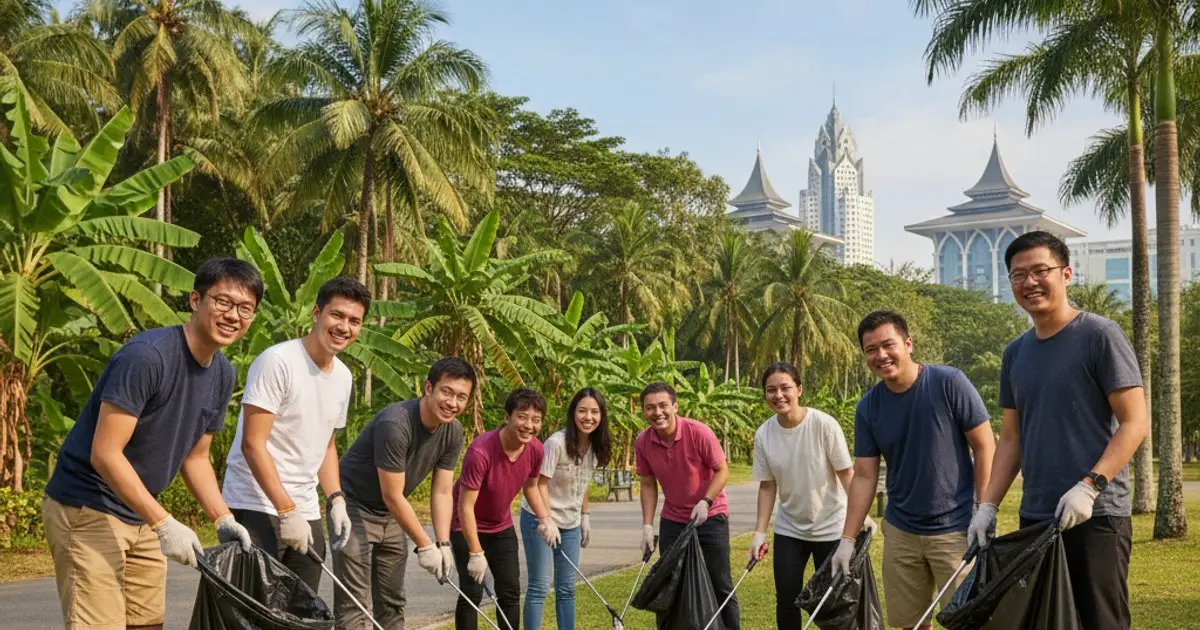
Volunteering is, in my opinion, one of the most direct and rewarding ways to give back. Malaysia has a vibrant non-profit sector with numerous organizations that welcome support. Whether you have professional skills to offer or simply a willingness to lend a hand, there’s likely a cause that resonates with you. For example, organizations like SOLS 24/7 are committed to empowering underserved communities through education and social programs, and they welcome volunteers with diverse expertise.
Consider these areas for volunteering:
-
Education: Many schools and learning centers, especially those supporting underprivileged children or refugees, can benefit from native English speakers or those with teaching experience. You could help with tutoring, language classes, or even extracurricular activities.
-
Environmental Conservation: Malaysia boasts incredible biodiversity, but also faces environmental challenges. Groups focusing on wildlife protection (like turtle watches or orangutan conservation efforts in Borneo) or reforestation often need volunteers for hands-on work, research, or fundraising.
-
Community Development: From assisting with construction projects in rural areas to helping with soup kitchens or healthcare initiatives, there’s a constant need for support in community development. MyKasih Foundation, for instance, works to establish loving neighborhoods and break cycles of poverty.
-
Animal Welfare: Shelters and rescue organizations are always looking for volunteers to help care for animals, assist with adoptions, or raise awareness.
The key is to find an organization whose mission you believe in and where your skills, however modest you perceive them to be, can make a difference. It’s a fantastic way to meet locals, understand their challenges, and build genuine friendships.
Embracing Cultural Exchange and Learning
True integration means more than just living in a place; it means understanding its soul. Malaysia is a melting pot of Malay, Chinese, Indian, and indigenous cultures, each with its own rich traditions, festivals, and culinary delights. What a privilege it is to be immersed in that!
-
Learn the Language: Even a few basic phrases in Bahasa Malaysia can open doors and show immense respect. Locals genuinely appreciate the effort, and it makes daily interactions far more engaging.
-
Participate in Local Festivals: Whether it’s Hari Raya, Chinese New Year, Deepavali, or Gawai, attending and understanding these celebrations offers invaluable insights into the country’s diverse cultural fabric. Many communities welcome outsiders to observe or even participate.
-
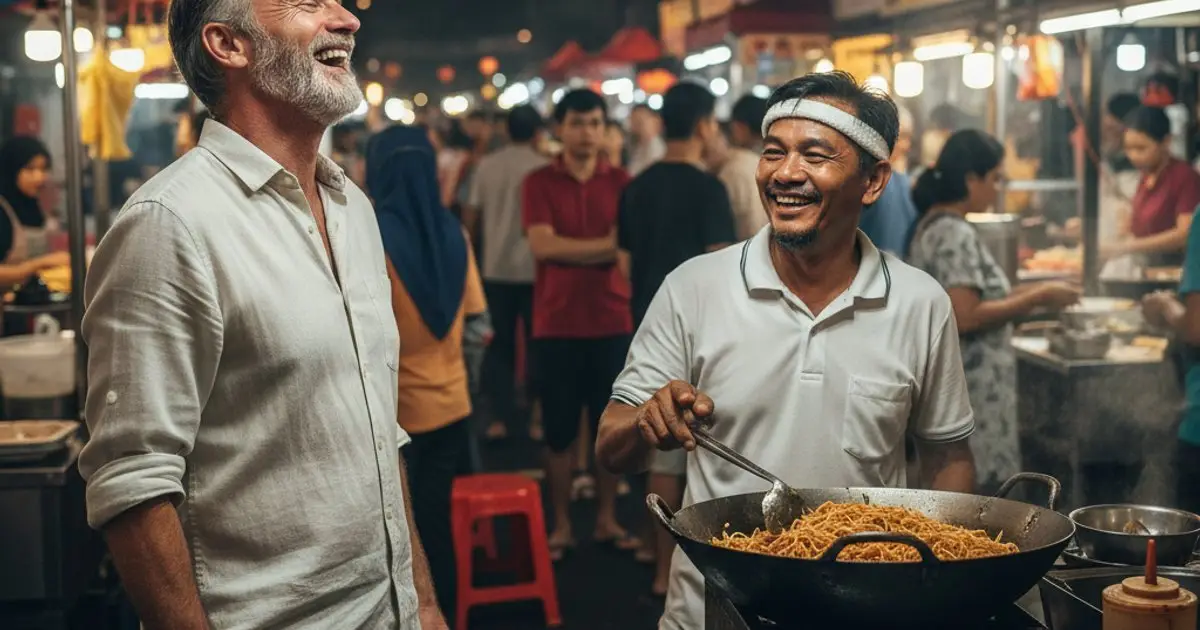
Explore Local Cuisine: Food is a universal language. Venture beyond tourist traps and try local eateries, markets, and hawker centers. Ask questions about the dishes, learn about the ingredients, and perhaps even take a cooking class. It’s a delicious way to connect.
-
Join Local Clubs or Groups: Look for hobby groups, sports clubs, or social organizations that align with your interests. This is a natural way to meet Malaysians who share your passions and build organic friendships.
Supporting Local Businesses and Economy
Your financial presence as an MM2H participant is already a significant contribution, but you can amplify that impact by consciously directing your spending. This means choosing local over international chains whenever possible.
-
Shop at Wet Markets and Local Stores: Instead of always heading to the big supermarkets, explore local wet markets for fresh produce, meats, and seafood. Support neighborhood sundry shops and boutiques.
-
Dine at Hawker Stalls and Small Restaurants: Malaysia’s culinary scene is world-renowned, and much of its magic happens in smaller, family-run establishments. Not only will you enjoy incredible food, but you’ll be directly supporting local livelihoods.
-
Hire Local Services: Whether it’s a gardener, a cleaner, a tailor, or a handyman, prioritize hiring local individuals and small businesses. This injects money directly into the community and helps create employment.
-
Invest Locally (where permitted): For those on higher MM2H tiers, there are opportunities to invest in local companies or even start businesses. This can create jobs and further integrate you into the economic fabric.
The MM2H Application Process: A Brief Overview
Navigating the MM2H application process requires careful attention to detail, especially with the recent changes. It’s not overly complicated, but it demands thorough preparation. The program is managed by the Ministry of Tourism, Arts and Culture (MOTAC) and the Immigration Department of Malaysia.
Here’s a simplified breakdown:
-
Eligibility Assessment: First, determine which of the four tiers (Silver, Gold, Platinum, or SEZ/SFZ) you qualify for based on age, financial standing, and property purchase requirements. The minimum age has been lowered to 25 years.
-
Document Preparation: This is where most applicants spend their time. You’ll need a valid passport, proof of financial stability (fixed deposit statements), a medical report, health insurance, and a letter of good conduct, among other documents.
-
Application Submission: Applications are typically submitted to MOTAC or through a licensed MM2H agent. Using an experienced agent can significantly streamline the process and help avoid common pitfalls.
-
Conditional Approval: If successful, you’ll receive a conditional approval letter. You then have a limited timeframe (often six months) to fulfill remaining requirements, such as placing the fixed deposit in a Malaysian bank and undergoing a medical check-up.
-
Final Endorsement and Visa Issuance: Once all conditions are met, your MM2H visa will be endorsed in your passport, usually valid for five years and renewable.
It’s important to note that the requirements for fixed deposits and property purchases vary significantly by tier. For instance, the Silver tier requires a fixed deposit of USD150,000 and a property purchase of at least RM600,000, while the Platinum tier demands a USD1 million fixed deposit and a property purchase of at least RM2,000,000. These requirements are subject to change, so always consult the latest official guidelines or a reputable agent.
MM2H Tiers: A Comparative Look at Requirements and Benefits
The tiered structure introduced in 2024 is a game-changer, offering different pathways depending on an applicant’s financial capacity and desired level of engagement. I’ve found that understanding these tiers is crucial for setting realistic expectations about your MM2H journey.
| Feature | Silver Tier | Gold Tier | Platinum Tier | SEZ/SFZ Category |
|---|---|---|---|---|
| Fixed Deposit (approx.) | USD 150,000 | USD 500,000 | USD 1,000,000 | USD 32,000 – USD 64,000 (age-dependent) |
| Property Purchase (Min.) | RM 600,000 | RM 1,000,000 | RM 2,000,000 | Specific to designated zones (e.g., Forest City) |
| Visa Duration (renewable) | 5 years | 15 years | 20 years | 10 years |
| Work/Business Permitted | No | No | Yes | No |
| Minimum Stay Requirement (under 50) | 90 days/year | 90 days/year | 90 days/year | 90 days/year |
| Dependents Included | Spouse, unmarried children under 34, parents/in-laws | Spouse, unmarried children under 34, parents/in-laws | Spouse, unmarried children under 34, parents/in-laws | Spouse, unmarried children under 34, parents/in-laws |
Note: Financial figures are approximate and subject to currency fluctuations and official policy changes. Always verify with official sources or licensed agents.
What strikes me about this new structure is the clear intention to attract different profiles. The Silver tier remains popular, with 83.5% of the 3,172 approvals in 2025 falling into this category. This suggests a continued interest from retirees and those seeking a long-term base. The Platinum tier, with its work and business allowances, is clearly aimed at high-net-worth individuals and strategic investors, signaling Malaysia’s desire for more active economic participation. The SEZ/SFZ category is quite specific, often tied to property purchases in designated development zones like Forest City.
It’s a nuanced approach, and I think it’s ultimately a healthier one for the program’s longevity. It allows for a broader range of contributions, both financial and social.
Overcoming Challenges and Fostering Deeper Connections
No journey of integration is without its bumps. There will be cultural misunderstandings, language barriers, and moments of frustration. That’s part of the human experience of moving to a new country. But these challenges are precisely where the opportunity for deeper connection lies.
Navigating Cultural Differences
Malaysia is a wonderfully diverse nation, but its multiculturalism also means a complex tapestry of social norms. What might be considered polite in one culture could be seen as rude in another. The honest answer is that nobody knows everything, but the evidence suggests that a willingness to learn and adapt is key. Simple things, like dressing modestly in certain contexts, removing shoes before entering a home, or using appropriate greetings, go a long way.
One common mistake I see is when expats form exclusive enclaves, inadvertently isolating themselves from the local population. While expat communities offer comfort and familiarity, true integration requires stepping outside that comfort zone. Research has shown that many MM2H participants actively seek out Malaysian friends, with a significant majority reporting having as many or more Malaysian friends than expat friends. This indicates a genuine desire for connection, which is fantastic.
Building Trust and Rapport
Trust isn’t built overnight. It’s a gradual process of consistent, respectful interaction. Be patient. Be open. Show genuine interest in people’s lives, their stories, and their traditions. Participate in local events, even if you’re just observing initially. Offer help when you can. These small acts of goodwill accumulate over time, building bridges that transcend cultural divides.
The local community, in my experience, is incredibly welcoming to MM2H participants who show a genuine desire to integrate. They appreciate the effort, and they often reciprocate with warmth and hospitality. It truly is a two-way street.
The Broader Impact: MM2H as a Catalyst for Social Cohesion
When MM2H participants actively engage with their local communities, the benefits ripple far beyond individual experiences. This program has the potential to be a powerful catalyst for social cohesion, enriching Malaysia’s social and economic fabric.
Think about it: a diverse group of individuals, bringing different perspectives, skills, and resources, choosing to invest their time and energy into a community. This isn’t just about economic numbers; it’s about revitalizing cultural exchange, fostering mutual understanding, and building a more resilient, globally connected society. It’s an investment in soft power, creating a network of international ambassadors who genuinely understand and appreciate Malaysia.
From 2002 to 2019, the MM2H program contributed an estimated US$13 billion to the Malaysian economy through property investment, medical and education expenses, and other economic multiplier effects. But the impact of community integration, while harder to quantify in dollars and cents, is arguably even more valuable in the long run. It builds a stronger, more vibrant Malaysia, one connection at a time.
Frequently Asked Questions about MM2H and Community Engagement
Can MM2H participants work in Malaysia?
Under the current tiered system, only Platinum tier MM2H visa holders are explicitly allowed to work, establish, or invest in a company in Malaysia. Other tiers generally do not permit employment, though there might be limited exceptions for certain business ownership or consultancy work under specific guidelines.
Is property purchase mandatory for the MM2H Programme?
Yes, under the updated MM2H Programme introduced in June 2024, applicants across all tiers are required to purchase a residential property in Malaysia. This property must be held for at least 10 years, unless upgrading to a higher-priced property or terminating the MM2H visa.
What are the minimum stay requirements for MM2H?
Applicants under 50 years of age are generally required to spend a cumulative period of at least 90 days per year in Malaysia. For those aged 50 and above, there is typically no minimum stay requirement.
Can I include my family members in my MM2H application?
Yes, MM2H participants can include their spouse, unmarried children under 34 years old, and their parents or parents-in-law as dependents under the program.
How much does it cost to apply for the MM2H Programme?
The costs vary significantly depending on the chosen tier (Silver, Gold, Platinum, or SEZ/SFZ). Key expenses include the fixed deposit, the mandatory property purchase, government application fees, and potentially agent fees. For example, the Silver tier requires a USD150,000 fixed deposit and a minimum RM600,000 property. It’s advisable to factor in at least USD250,000 to cover these major expenses.
Where can I find reputable organizations for volunteering in Malaysia?
Organizations like SOLS 24/7, WWF Malaysia, MERCY Malaysia, and MyKasih Foundation are well-regarded and often seek volunteers. You can also look into specific causes like marine conservation groups (e.g., Lang Tengah Turtle Watch) or community development projects outside major cities.
Will the MM2H Programme lead to Malaysian Permanent Residency or Citizenship?
No, the MM2H Programme is a long-term social visit pass and does not grant participants Malaysian Permanent Residency or citizenship. It is a renewable visa for long-term stay.
Last updated: July 20, 2026
 English
  Chinese (Taiwan)
  Chinese (China)