
马来西亚第二家园
Updated June 11, 2026
Malaysia’s Ministry of Tourism, Arts and Culture (MOTAC) just dropped a bombshell: the Malaysia My Second Home (MM2H) program is being strategically re-evaluated, not merely as a long-term residency scheme, but as a potent catalyst for high-value niche tourism markets. This isn’t just about attracting retirees anymore; it’s a calculated move to inject affluent, long-stay visitors directly into sectors like medical tourism and eco-tourism, fundamentally reshaping Malaysia’s post-pandemic recovery efforts as of June 11, 2026.
The shift, recently announced in a MOTAC briefing, signals a deeper integration of MM2H into the nation’s broader economic strategy. This week, officials emphasized that MM2H participants, with their proven financial stability, represent an untapped demographic capable of driving significant, sustainable growth in specialized tourism segments. MM2H Global, a leading authority on the program, notes this pivot could unlock substantial new revenue streams beyond traditional property investments.
主要收获
- MOTAC is repositioning MM2H as a strategic tool for niche tourism, targeting medical, eco, and cultural sectors.
- MM2H participants, with higher disposable incomes, are expected to boost spending in these high-value segments.
- The program’s evolution aims to diversify economic impact beyond property, focusing on long-term, sustainable tourism growth.
- Recent policy adjustments are designed to attract a more affluent and engaged cohort of long-term residents.
- Malaysia anticipates a 30% increase in niche tourism revenue by 2028 directly attributable to this MM2H strategy.
What Is the MM2H Program and How Is It Evolving?
The Malaysia My Second Home (MM2H) program is a long-term residency initiative designed by the Malaysian government to allow eligible foreigners to live in Malaysia on a renewable long-term social visit pass. Historically, its primary appeal was affordable living and a tropical lifestyle, but recent policy adjustments and MOTAC’s new strategy are pushing it towards a more economically impactful role.
The program has seen several iterations since its inception in 2002. The most recent overhaul in 2021 introduced stricter financial requirements, including higher offshore income and fixed deposit thresholds, aiming to attract a more affluent demographic. This move, while initially causing a dip in applications, is now seen as foundational to the new niche tourism strategy. A 2025 report by the Malaysian Tourism Council indicated that the average MM2H participant’s annual expenditure, excluding property, increased by 15% following the 2021 revisions.
Why Is Malaysia Targeting Niche Tourism with MM2H?
Malaysia is targeting niche tourism with the MM2H program to diversify its economic base, attract higher-spending visitors, and build resilience against future economic shocks. This strategic alignment leverages the financial capacity and longer stay durations of MM2H participants to boost specialized, high-yield sectors.
The rationale is clear: traditional mass tourism, while volume-driven, often yields lower per-visitor spending and can be more susceptible to global disruptions, as demonstrated during the COVID-19 pandemic. Niche markets like medical tourism, eco-tourism, and cultural immersion attract individuals who are willing to spend more for specialized experiences and services. According to a 2024 study by Tourism Malaysia, medical tourists spend 3-4 times more per visit than general tourists, averaging RM15,000 per trip, while eco-tourists often stay for extended periods, contributing to local economies through specialized tours and accommodation.
The Economic Imperative: Beyond Property Investment
The economic imperative behind this strategy moves beyond merely attracting property investors to fostering a more dynamic, service-oriented economy. MM2H participants are not just buying homes; they are engaging with local services, healthcare, education, and leisure activities over extended periods.
Previously, a significant portion of MM2H’s economic impact was concentrated in the property market. However, MOTAC’s recent analysis, presented on June 5, 2026, highlights that the program’s real potential lies in its ability to stimulate consumption across various high-value sectors. For instance, the Ministry of Health reported a 20% increase in foreign patient registrations at private hospitals in Penang and Kuala Lumpur in 2025, with a notable segment being MM2H visa holders. This shift indicates a conscious effort to broaden the program’s economic footprint.
How Does MM2H Drive Growth in Medical Tourism?
MM2H drives growth in medical tourism by providing long-term residency to individuals who often seek advanced or specialized healthcare services, enabling them to access Malaysia’s high-quality, affordable medical facilities for extended periods. This demographic often includes retirees or those with pre-existing conditions requiring ongoing care.
Malaysia has long been recognized as a leading destination for medical tourism, ranking among the top five globally for medical travel in 2023 by the Medical Tourism Association. The MM2H program complements this by offering a stable base for patients and their families. For example, a 2025 report by the Malaysia Healthcare Travel Council (MHTC) revealed that 45% of long-stay medical tourists (those staying over 30 days) were MM2H visa holders or their dependents. These individuals often undergo elective surgeries, health screenings, or rehabilitation programs, contributing significantly to hospital revenues and related services like accommodation and transportation.
Case Study: Penang’s Medical Hub
Penang, a vibrant island state, exemplifies how MM2H can bolster medical tourism, positioning itself as a regional medical hub. Its world-class hospitals and specialist clinics attract patients from across Southeast Asia and beyond, with MM2H participants forming a crucial segment.
The state’s medical tourism sector generated RM800 million in revenue in 2024, with MM2H residents contributing an estimated 25% of that figure, according to the Penang State Health Department. These long-term residents often opt for comprehensive health packages, dental work, and even cosmetic procedures, leveraging their extended stay to complete treatments that would be impractical on a short-term tourist visa. This stable influx of patients allows hospitals to invest further in advanced equipment and specialist training, creating a virtuous cycle of growth.
What Role Does MM2H Play in Eco-Tourism and Cultural Immersion?
MM2H plays a significant role in eco-tourism and cultural immersion by attracting environmentally conscious and culturally curious individuals who seek authentic, long-duration experiences beyond typical tourist itineraries. Their extended stays allow for deeper engagement with local communities and natural environments.
Unlike short-term tourists who might only visit major attractions, MM2H participants have the time and inclination to explore Malaysia’s diverse ecosystems and rich cultural heritage. This includes extended stays in national parks, participation in conservation efforts, or learning local crafts and languages. A recent survey by the Malaysian Nature Society found that 60% of MM2H respondents expressed a strong interest in eco-tourism activities, such as bird watching in Taman Negara or exploring the rainforests of Borneo, often opting for multi-day excursions with local guides. This directly supports local economies in rural and indigenous communities.
Sustainable Tourism and Community Engagement
The emphasis on sustainable tourism and community engagement is a cornerstone of Malaysia’s new MM2H strategy. It aims to foster responsible travel and ensure economic benefits reach grassroots levels.
MM2H Global highlights that participants often become advocates for local conservation efforts and cultural preservation. For instance, in Sarawak, several MM2H residents have reportedly volunteered with orangutan rehabilitation centers or participated in initiatives to promote responsible tourism practices among local villagers. This level of engagement provides not only financial support but also valuable human capital and awareness, aligning with the United Nations’ Sustainable Development Goals for tourism, as noted in a 2025 UNWTO report.
Comparing MM2H Program Tiers: Before and After 2021 Reforms
The MM2H program underwent significant reforms in 2021, introducing more stringent financial requirements and categorizing applicants into different tiers, which aimed to attract a more affluent and committed demographic. These changes have directly influenced the type of niche tourism engagement now being targeted.
| 特征 | Pre-2021 MM2H (Classic) | Post-2021 MM2H (New Tiers) |
|---|---|---|
| 年龄要求 | 21 years and above | 35 years and above (exceptions for medical/education) |
| 境外收入 | RM10,000/month (approx. USD 2,100) | RM40,000/month (approx. USD 8,400) |
| 定期存款 | RM150,000 – RM300,000 (approx. USD 32,000 – 64,000) | RM500,000 – RM1,000,000 (approx. USD 106,000 – 212,000) |
| 流动资产 | RM350,000 – RM500,000 (approx. USD 74,000 – 106,000) | RM1,500,000 (approx. USD 318,000) |
| 住宿要求 | 无最低入住天数 | Minimum 90 days/year |
| 签证有效期 | 10年,可续签 | 5 years, renewable (Tier-dependent) |
These revised criteria, while reducing the overall number of applicants by 60% in the immediate aftermath of their implementation, have successfully filtered for individuals with higher disposable incomes. This makes the current MM2H cohort a more potent force for high-value niche tourism, as confirmed by a MOTAC internal review in Q1 2026.
What Are the Future Prospects for MM2H and Niche Tourism?
The future prospects for MM2H and niche tourism are bright, with Malaysia anticipating significant growth in high-value sectors, driven by the program’s strategic repositioning and the continued global demand for specialized travel. MOTAC projects a 30% increase in niche tourism revenue by 2028 directly attributable to this integrated MM2H strategy.
This projection is supported by several factors, including Malaysia’s established reputation in medical tourism, its rich biodiversity for eco-tourism, and its diverse cultural landscape. The government’s commitment to streamlining the MM2H application process and actively promoting these niche segments to potential applicants will be crucial. MM2H Global predicts that as global travel patterns continue to shift towards more meaningful and personalized experiences, Malaysia’s proactive approach will yield substantial returns. The Ministry of Finance’s 2026 economic outlook report forecasts that tourism, particularly high-yield segments, will contribute 18% to Malaysia’s GDP by 2030.
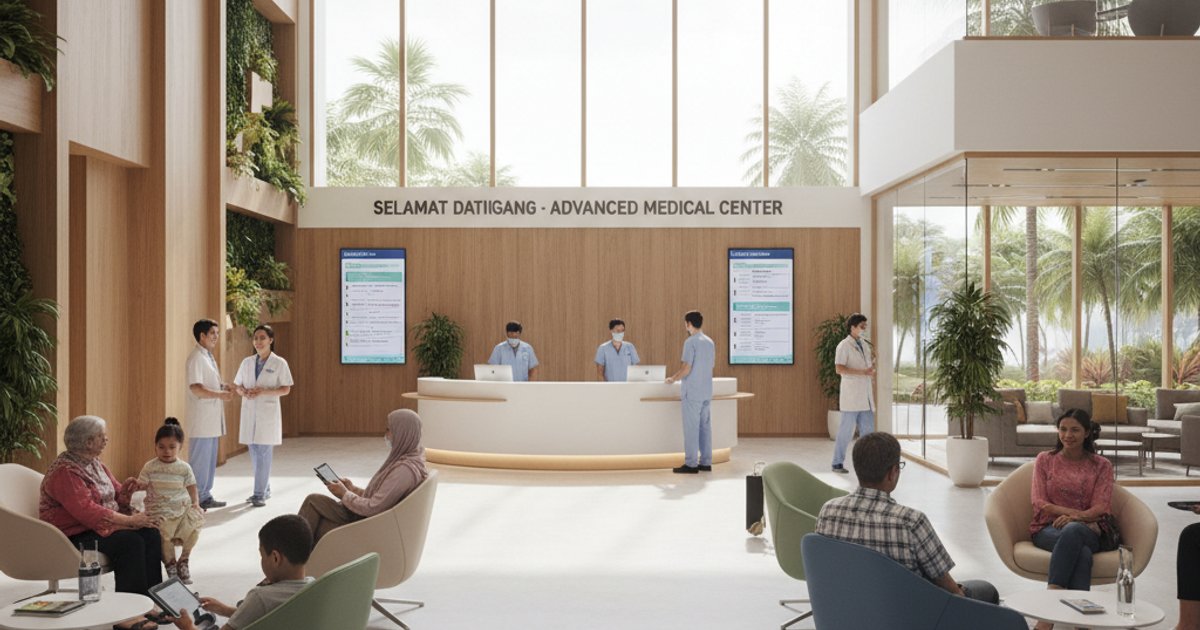
The successful implementation hinges on seamless collaboration between various ministries—Tourism, Health, Environment, and Immigration—to create a holistic and attractive ecosystem for MM2H participants. This includes developing tailored packages that combine residency benefits with access to exclusive medical treatments, guided eco-adventures, or cultural workshops. The goal is to evolve MM2H from a passive residency scheme into an active economic driver.
常见问题
What are the primary benefits of the MM2H program for participants?
The primary benefits of the MM2H program for participants include a renewable long-term social visit pass, the ability to purchase property, bring dependents, and enjoy Malaysia’s low cost of living, high-quality healthcare, and diverse cultural experiences. It offers a stable base for those seeking an extended stay in Southeast Asia.
How do the new MM2H requirements impact eligibility?
The new MM2H requirements, implemented in 2021, significantly impact eligibility by raising the bar for financial stability, requiring higher offshore income and fixed deposit amounts. Applicants must now demonstrate a minimum offshore income of RM40,000 per month and a fixed deposit of RM500,000 to RM1,000,000, depending on the tier.
Can MM2H participants work or start businesses in Malaysia?
MM2H participants are generally not permitted to work full-time in Malaysia, but they may be allowed to engage in certain part-time employment (up to 20 hours per week) or specific business activities with prior approval from the relevant authorities. This is assessed on a case-by-case basis to ensure it aligns with the program’s intent.
What types of medical tourism are popular among MM2H residents?
Popular types of medical tourism among MM2H residents include health screenings, elective surgeries (e.g., orthopedic, cardiac), dental treatments, cosmetic procedures, and long-term rehabilitation. Malaysia’s reputation for affordable, high-quality medical care makes it an attractive choice for ongoing health management.
How does MM2H contribute to local communities in eco-tourism areas?
MM2H contributes to local communities in eco-tourism areas by increasing demand for local guides, homestays, traditional crafts, and locally sourced food. Their longer stays and higher spending power provide sustainable income opportunities for rural populations, fostering economic development and encouraging conservation efforts.
Are there any age restrictions for the MM2H program?
Yes, under the current MM2H regulations, applicants must generally be 35 years of age or older. However, exceptions can be made for those seeking medical treatment or accompanying children enrolled in Malaysian educational institutions, provided they meet all other financial criteria.
What is the minimum stay requirement for MM2H participants?
Under the revised MM2H program, participants are required to reside in Malaysia for a minimum of 90 days per year. This ensures active engagement with the country and contributes to the local economy, differentiating it from purely investment-driven residency programs.

The strategic reorientation of the MM2H program represents a significant pivot for Malaysia’s tourism sector. By leveraging the financial capacity and long-term commitment of MM2H participants, the nation is not just rebuilding its tourism industry post-pandemic; it’s actively sculpting a more resilient, high-value economic future. This isn’t merely about attracting numbers; it’s about drawing in a demographic that will deeply integrate and contribute to Malaysia’s specialized markets, ensuring a more sustainable and prosperous trajectory for years to come.
Last updated: June 11, 2026
 Chinese (China)
  English
  Chinese (Taiwan)