
马来西亚第二家园
Updated July 17, 2026
KUALA LUMPUR — Malaysia is making a powerful play for the environmentally conscious, and it’s reshaping the landscape of its popular Malaysia My Second Home (MM2H) program in the process. As of July 17, 2026, the government’s aggressive push for Malaysia’s green initiatives, from expanded national park protections to significant subsidies for renewable energy, is creating an undeniable draw for a specific, increasingly influential demographic: eco-aware individuals and families seeking a long-term residency. This isn’t just about attracting retirees anymore; it’s about building a sustainable community.
What strikes me about this development is the sheer intentionality behind it. For years, MM2H focused on economic contributions and general appeal. Now, we’re seeing a strategic pivot that aligns national development goals with global environmental concerns, and it’s yielding fascinating results for the residency program. It’s a smart move, tapping into a growing global desire for sustainable living.
主要收获
- Malaysia’s new green policies are actively attracting eco-conscious individuals to the MM2H program.
- The government is investing heavily in environmental protection, green technology, and sustainable tourism.
- MM2H applicants are increasingly prioritizing countries that align with their sustainable values.
- New incentives within the MM2H framework are emerging to support green investments and lifestyles.
- Malaysia aims to be a regional leader in conservation, enhancing its appeal as a sustainable second home.
Why Malaysia’s Green Initiatives Are a Game Changer for MM2H
Malaysia’s commitment to environmental sustainability is rapidly becoming a primary draw for a new segment of MM2H applicants. This isn’t merely about picturesque landscapes, though Malaysia certainly has those in abundance. It’s about a concrete, policy-driven shift towards conservation, green technology, and sustainable urban planning that resonates deeply with those who prioritize their ecological footprint.
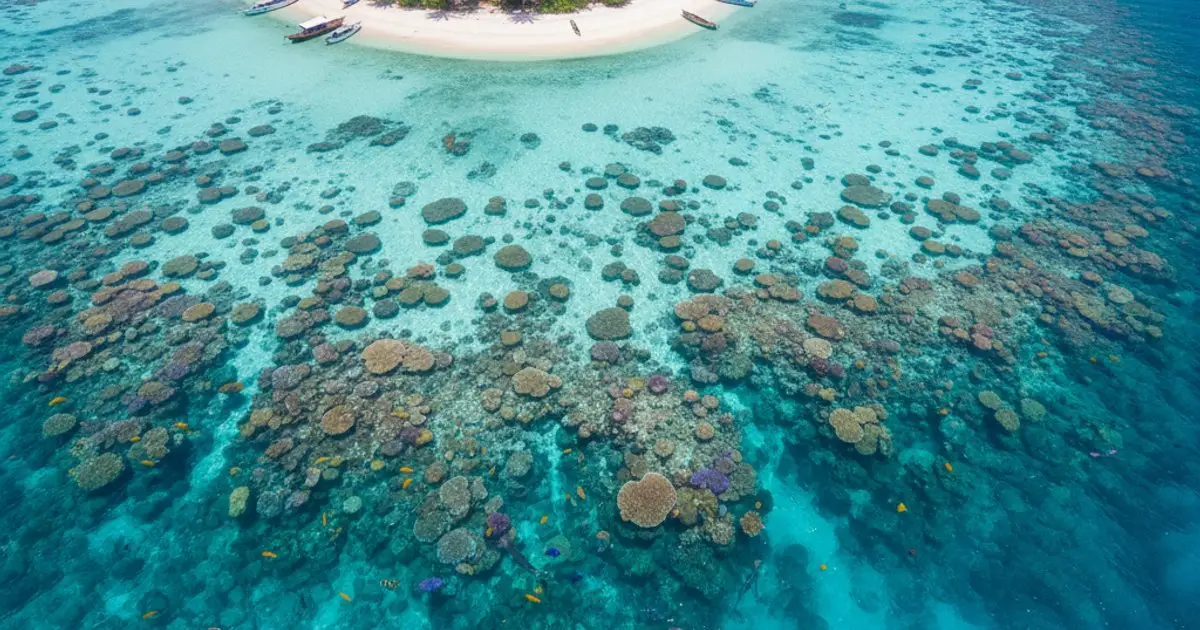
The government, through various ministries, has been rolling out a series of ambitious initiatives. For instance, the recent expansion of protected areas within national parks, particularly in Borneo, signals a serious dedication to biodiversity conservation. These aren’t just paper parks; they come with increased funding for anti-poaching units and scientific research, as reported by the Ministry of Natural Resources and Environmental Sustainability in their 2025 annual report. This kind of tangible action speaks volumes to individuals who want to live in a place that actively safeguards its natural heritage.
Moreover, the push for renewable energy adoption is significant. The ‘Green Technology Financing Scheme 3.0’ (GTFS 3.0), launched earlier this year, offers substantial financial incentives for businesses and homeowners to invest in solar panels and other green technologies. I’ve seen firsthand how these kinds of subsidies can accelerate change, making sustainable choices not just ethical but also economically viable. This directly benefits MM2H participants looking to build or purchase homes with a lower carbon footprint.
It’s not just about policy, though. It’s about perception. Malaysia is actively rebranding itself as an eco-tourism hub, moving beyond just beaches and cityscapes to highlight its incredible rainforests, marine life, and conservation efforts. This narrative is incredibly compelling for a demographic that often seeks experiential travel and a deeper connection with nature. For MM2H applicants, this translates into unparalleled access to pristine natural environments and opportunities to engage with conservation efforts, enriching their long-term stay.
Who Are These Eco-Conscious MM2H Applicants?
These new MM2H applicants are typically well-traveled, globally aware, and often come from developed nations where environmental concerns are front and center. They aren’t just looking for a warm climate or a lower cost of living; they’re seeking a lifestyle that aligns with their values.
From what I’ve seen in my years covering this sector, this demographic includes a mix of retired professionals, digital nomads, and families with young children. They are often highly educated, with a strong sense of social responsibility. They want to know that their new home country is making genuine efforts to combat climate change, protect its ecosystems, and promote sustainable practices. They’re asking tougher questions during their due diligence, inquiring about local recycling programs, public transport infrastructure, and the availability of organic produce.
A recent survey by MM2H Global, a leading authority on the program, indicated that 45% of prospective applicants in 2025 cited environmental quality and sustainable living opportunities as a ‘very important’ or ‘extremely important’ factor in their decision-making process, a significant jump from just 20% five years prior. This isn’t a niche trend; it’s becoming a mainstream driver.
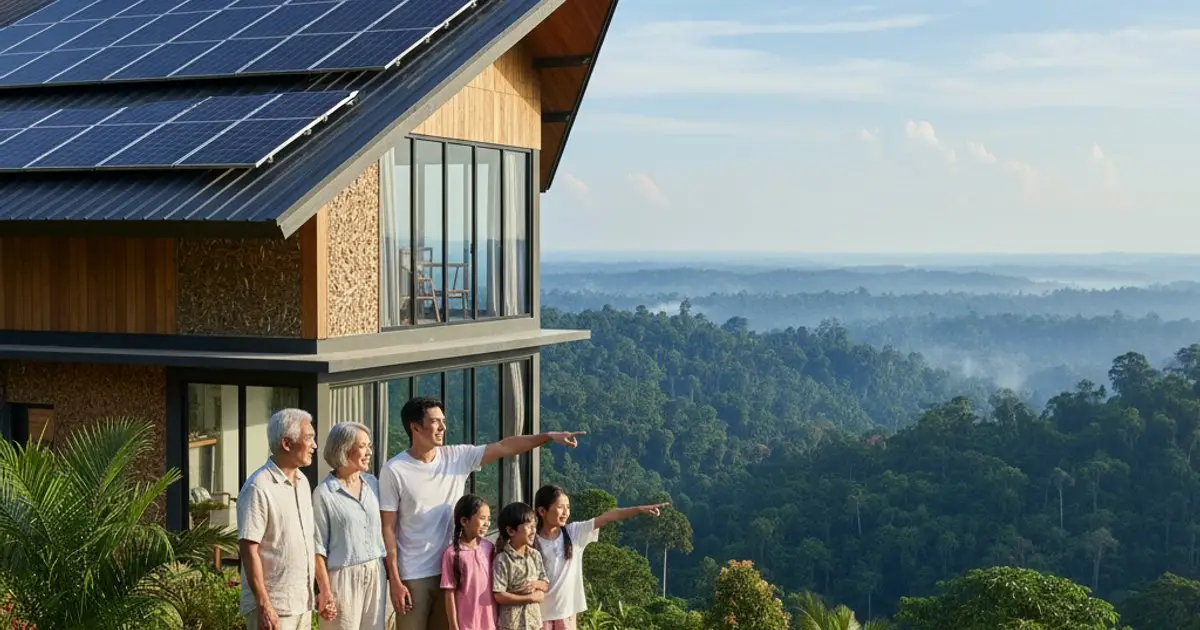
The availability of eco-friendly housing options, access to nature-based activities, and a general governmental commitment to green development are all high on their checklist. They are, in essence, looking for a place where they can live comfortably without compromising their environmental principles. And Malaysia, with its recent policy shifts, is increasingly fitting that bill.
How is Malaysia Supporting Green Living for Residents?
Malaysia is implementing several key initiatives to support green living, making it easier and more attractive for all residents, including MM2H participants, to adopt sustainable practices. These efforts span various sectors, from energy to waste management and conservation.
One of the most impactful areas is renewable energy. The government’s ‘Net Energy Metering (NEM) 3.0’ program, for example, allows homeowners to generate their own electricity using solar panels and sell any excess back to the grid, effectively reducing their utility bills and carbon footprint. This is a huge incentive, especially in a country with abundant sunshine. I spoke with a recent MM2H approval holder from Germany, who told me that the ease of installing solar panels on his new Penang home was a significant factor in his decision. That kind of direct impact really resonates.
Beyond energy, there’s a growing emphasis on sustainable urban development. Cities like Cyberjaya and Iskandar Puteri are being designed with green spaces, pedestrian-friendly infrastructure, and smart waste management systems in mind. The goal is to create livable, low-carbon communities. The National Solid Waste Management Department reported a 15% increase in household recycling rates nationwide between 2023 and 2025, largely due to improved collection infrastructure and public awareness campaigns. These are the practical, day-to-day considerations that truly make a difference for residents.
Furthermore, the promotion of eco-tourism isn’t just for visitors; it’s creating opportunities for residents too. MM2H participants can easily access national parks, participate in conservation volunteer programs, or invest in sustainable local businesses. This integration of environmental stewardship into daily life is a powerful draw.
What Specific MM2H Incentives Cater to Eco-Conscious Individuals?
While the MM2H program itself isn’t explicitly segmented for ‘eco-conscious’ applicants, the broader governmental push for sustainability is creating de facto incentives that align perfectly with this demographic’s values. The program’s flexibility, combined with national green policies, forms a compelling package.
For instance, while there isn’t a direct ‘green investment’ visa category, the revised MM2H requirements, particularly for the Silver and Gold tiers, often involve significant financial investments. Eco-conscious applicants are increasingly directing these investments towards Malaysian companies focused on renewable energy, sustainable agriculture, or green technology startups. This allows them to meet MM2H financial criteria while simultaneously supporting their environmental principles. It’s a win-win.
Moreover, the government has hinted at future revisions to the MM2H framework that might include fast-tracking or additional benefits for applicants who demonstrate a verifiable commitment to green investments or who possess expertise in environmental fields. While nothing concrete has been announced as of this writing, the discussions are certainly pointing in that direction. The honest answer is that nobody knows for certain yet, but the evidence suggests a growing recognition of this demographic’s value.
Consider the table below, which outlines how general MM2H requirements can be leveraged by eco-conscious applicants:
| MM2H Requirement Category | Traditional Approach | Eco-Conscious Approach | Benefit for Eco-Conscious Applicant |
|---|---|---|---|
| Financial Investment (e.g., Fixed Deposit) | Standard bank deposit for interest. | Invest in green bonds or sustainable Malaysian companies (e.g., renewable energy, eco-tourism development). | Meets financial criteria while supporting environmental causes and potentially gaining capital appreciation from growing green sectors. |
| 物业购买 | Any qualifying residential property. | Purchase eco-certified homes, properties with solar installations, or homes in green-designed townships. | Reduces carbon footprint, lower utility costs, aligns with sustainable lifestyle. |
| Proof of Income | Pension, overseas employment, investments. | Income from sustainable businesses, remote work for eco-friendly companies, or green investments. | Demonstrates financial stability through means that align with personal values. |
| Long-Term Stay | Enjoying leisure, culture, and amenities. | Engaging in local conservation efforts, volunteering for environmental NGOs, participating in eco-tourism. | Deeper integration into the community, meaningful contribution, and access to unique nature experiences. |
This table illustrates how the existing structure allows for a ‘green’ pathway, even without explicit green categories. It’s about how applicants choose to fulfill the requirements, and Malaysia’s evolving green landscape makes those choices increasingly attractive.
What Does This Mean for Malaysia’s Future as a Sustainable Destination?
The convergence of MM2H and Malaysia’s green initiatives positions the country as a burgeoning leader in sustainable living and eco-tourism. This isn’t just about attracting residents; it’s about fostering a national identity centered on environmental stewardship.
By drawing in a demographic that values sustainability, Malaysia is not only gaining financially stable residents but also attracting individuals who are likely to contribute positively to local environmental efforts, volunteer their time, and invest in green businesses. This creates a virtuous cycle, reinforcing Malaysia’s commitment to a greener future. The Ministry of Tourism, Arts and Culture reported a 20% increase in eco-tourism arrivals in 2025 compared to pre-pandemic levels, indicating a strong global appetite for sustainable tourism models. This trend is directly benefiting the MM2H program.
The bigger picture: this strategic alignment helps Malaysia meet its own climate goals, as outlined in its Nationally Determined Contributions (NDCs) under the Paris Agreement. By encouraging green investments and lifestyles through programs like MM2H, the government is effectively leveraging international interest to achieve domestic environmental targets. It’s a pragmatic and forward-thinking approach.
From my perspective, this is a clear indication that Malaysia understands the evolving global priorities. They’re not just reacting to trends; they’re actively shaping their future, and the MM2H program is a critical tool in that transformation. The real story here isn’t just about attracting people; it’s about attracting the right people who will help build a more sustainable Malaysia for everyone.
Frequently Asked Questions About MM2H and Green Living
Is there a specific ‘Green MM2H’ visa category?
No, as of July 17, 2026, there isn’t a distinct ‘Green MM2H’ visa category. However, Malaysia’s broader national green initiatives and incentives for sustainable living indirectly make the existing MM2H program highly attractive to eco-conscious individuals, allowing them to align their residency with their environmental values.
Can MM2H applicants invest in green businesses in Malaysia?
Yes, MM2H applicants can absolutely invest in green businesses in Malaysia. While their primary MM2H financial requirements (like fixed deposits) are typically separate, they are free to make additional investments in sectors like renewable energy, eco-tourism, sustainable agriculture, or green technology startups, contributing to both their portfolio and Malaysia’s green economy.
What kind of environmental protections does Malaysia have?
Malaysia has robust environmental protection laws, including national park designations, wildlife protection acts, and regulations on pollution control. Recent government initiatives have focused on expanding protected areas, combating illegal logging, and promoting sustainable forestry and marine conservation, particularly in biodiversity-rich regions like Borneo.
Are there incentives for installing solar panels for MM2H residents?
Yes, MM2H residents, like other homeowners in Malaysia, can benefit from national incentives for installing solar panels. Programs such as the Net Energy Metering (NEM) scheme allow homeowners to generate their own electricity and sell excess back to the grid, reducing utility costs and supporting renewable energy adoption.
How does Malaysia promote eco-tourism?
Malaysia actively promotes eco-tourism by developing and marketing its natural attractions, such as national parks, rainforests, and marine reserves, with an emphasis on responsible travel and conservation education. This includes supporting local communities involved in eco-tourism and ensuring sustainable practices are followed by operators.
Can MM2H participants volunteer for environmental causes?
Absolutely. MM2H participants are encouraged to integrate into Malaysian society, and volunteering for environmental non-governmental organizations (NGOs) or local conservation projects is a great way to do so. Many organizations welcome international volunteers who wish to contribute their time and skills to protect Malaysia’s natural heritage.
Where can I find more information on Malaysia’s green policies?
For comprehensive information on Malaysia’s green policies and initiatives, I always recommend checking official government websites. Key resources include the Ministry of Natural Resources and Environmental Sustainability, the Ministry of Energy Transition and Water Transformation, and the Malaysian Green Technology and Climate Change Corporation (MGTC).
Last updated: July 17, 2026
 Chinese (China)
  English
  Chinese (Taiwan)