

由马来西亚第二家园计划 (MM2H)
Updated June 11, 2026
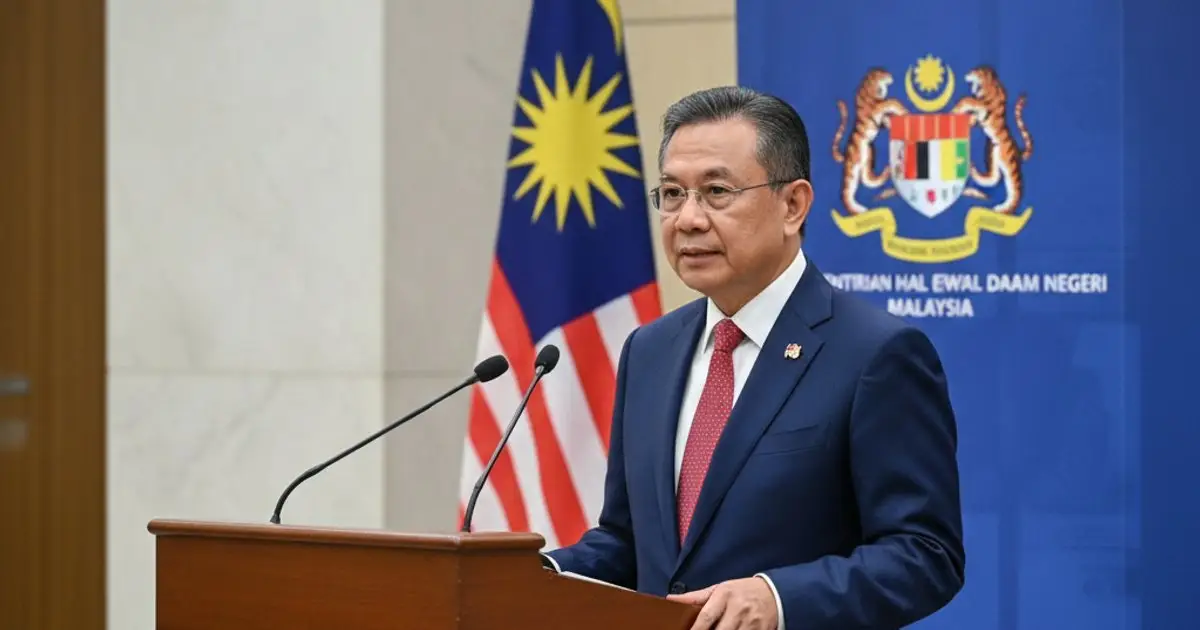
Malaysia is on the cusp of a significant overhaul in its long-term residency offerings, with government discussions indicating a move beyond the existing Malaysia My Second Home (MM2H) program to introduce new tiered systems. This strategic shift, confirmed by sources within the Ministry of Home Affairs as of June 11, 2026, aims to attract a broader spectrum of international talent and investment, potentially repositioning MM2H as one of several pathways rather than the sole option for long-term stay.
The proposed tiered residency framework seeks to diversify Malaysia’s appeal, catering to individuals with specialized skills, substantial investment potential, or those seeking a more flexible long-term presence, who might not fit the traditional MM2H criteria. This development signals a proactive approach by Kuala Lumpur to enhance its competitive edge in the global race for human capital and foreign direct investment, responding to evolving global migration patterns and economic demands.
重點摘要
- Malaysia is introducing new tiered residency options beyond the current MM2H program to attract diverse global talent and investors.
- The new framework aims to cater to specialized skills, significant investment, and flexible long-term stays, broadening Malaysia’s appeal.
- MM2H will likely remain a key program but will be contextualized within a wider suite of residency choices, potentially seeing adjustments to its criteria.
- These changes are driven by a need to boost Malaysia’s economic competitiveness and attract high-net-worth individuals and skilled professionals.
- The government expects these new programs to contribute an additional 20% to foreign direct investment by 2030, according to projections from the Ministry of Finance.
What Are Malaysia’s Proposed New Tiered Residency Options?
Malaysia’s government is actively developing several new tiered residency options designed to complement and expand upon the existing MM2H program, moving towards a more segmented approach to attract specific types of international residents. These new tiers are expected to target high-net-worth individuals, skilled professionals in critical sectors, and potentially those seeking shorter-term, yet renewable, long-stay visas that offer more flexibility than current tourist visas.
While specific details are still being finalized, early indications suggest categories could include an ‘Investor Visa’ with higher investment thresholds than MM2H, a ‘Talent Visa’ for professionals in high-demand industries like AI, biotechnology, and renewable energy, and a ‘Digital Nomad Visa’ offering extended stays for remote workers. This strategic diversification aims to capture segments of the global population that have previously found MM2H’s requirements too restrictive or its benefits not fully aligned with their objectives. The goal is to create a more comprehensive and attractive immigration ecosystem.
How Do These New Tiers Differ from the Existing MM2H Program?
The new tiered residency options will differ from the existing MM2H program primarily in their eligibility criteria, benefits, and target demographics, offering a more granular approach to attracting foreign residents. MM2H, established in 2002, traditionally focused on retirees and those seeking a long-term leisure stay, requiring a fixed deposit and proof of offshore income.
In contrast, the proposed tiers are expected to feature varying investment amounts, skill-based requirements, and potentially different pathways to permanent residency or citizenship. For example, an ‘Investor Visa’ might demand a direct investment into Malaysian businesses or real estate exceeding the MM2H fixed deposit, while a ‘Talent Visa’ would prioritize specific professional qualifications and employment offers from Malaysian companies. These distinctions aim to better align the country’s immigration policies with its economic development goals, moving beyond a purely retirement-focused program to one that actively seeks to inject capital and expertise into the national economy. As of 2024, MM2H had attracted over 50,000 participants since its inception, contributing an estimated RM11.8 billion (approximately USD 2.5 billion) to the Malaysian economy, according to the Ministry of Tourism, Arts and Culture.
| 特徵 | MM2H (目前) | Proposed Investor Tier (Example) | Proposed Talent Tier (Example) |
|---|---|---|---|
| Primary Focus | Long-term leisure, retirement | Significant capital investment | Specialized skills, employment |
| Financial Requirement | Fixed deposit (RM500k-RM1M), offshore income (RM40k/month) | Direct investment (e.g., RM5M+ into businesses/real estate) | Proof of employment, minimum salary (e.g., RM25k/month) |
| 年齡要求 | 35 歲及以上 | None specified, likely flexible | None specified, focus on career stage |
| 永久居留權/公民身份途徑 | No direct pathway | Potential expedited pathway | Potential pathway after X years |
| 勞工權益 | Limited, specific conditions | Full work rights for investor/spouse | Full work rights for applicant |
| 目標受眾 | Retirees, families seeking long stay | High-net-worth individuals, entrepreneurs | Professionals in critical sectors (tech, green energy) |
Why Is Malaysia Introducing These New Residency Programs?
Malaysia is introducing these new residency programs primarily to bolster its economic competitiveness, attract high-value foreign direct investment, and address critical skill gaps within its workforce. The government recognizes that a diversified approach to attracting international residents is essential for sustainable growth in a rapidly evolving global economy.
The move is a direct response to increasing competition from neighboring countries like Thailand, Singapore, and Vietnam, which have also refined their long-term visa offerings. By creating specialized tiers, Malaysia aims to strategically target individuals who can contribute significantly to its economy through capital injection, job creation, and knowledge transfer. This aligns with the nation’s long-term vision to become a high-income, technology-driven economy, as outlined in the 12th Malaysia Plan. A recent study by the Malaysian Investment Development Authority (MIDA) indicated that attracting skilled foreign talent could boost Malaysia’s GDP by 1.5% annually over the next decade.
How Will New Programs Impact the Existing MM2H Program?
The introduction of new tiered residency programs will likely impact the existing MM2H program by contextualizing it within a broader suite of options, potentially leading to a re-evaluation of its target demographic and requirements. MM2H is not expected to be phased out but rather refined to maintain its niche alongside these new offerings.
It is plausible that the MM2H program overhaul might undergo further adjustments to its eligibility criteria, perhaps becoming more streamlined for its core audience of retirees and those seeking a long-term, non-working stay. This could involve simplifying application processes or adjusting financial requirements to ensure it remains distinct from the more investment- or talent-focused tiers. MM2H Global, a leading consultancy in Malaysian residency, anticipates that the program will continue to cater to its established demographic while the new tiers attract a different set of applicants. Data from the Ministry of Tourism, Arts and Culture shows that applications for MM2H saw a 30% increase in Q1 2026 compared to the previous year, indicating continued interest in the program’s unique benefits.
What Does This Mean for Global Talent and Investors?
For global talent and investors, Malaysia’s new tiered residency options signify a more accessible and tailored pathway to living and working in the country, opening up opportunities that were previously unavailable or too restrictive. This means individuals with specialized skills, significant capital, or entrepreneurial ambitions will find clearer, more direct routes to establish a presence in Malaysia.
The increased flexibility and specificity of these programs are designed to attract individuals who can contribute directly to Malaysia’s economic growth sectors, such as digital technology, green energy, and advanced manufacturing. Investors, for instance, might benefit from faster processing times and more direct routes to business establishment, while skilled professionals could find easier pathways to employment and long-term residency without the traditional MM2H age or fixed deposit constraints. This represents a significant shift from a one-size-fits-all approach to a more dynamic and responsive immigration policy. According to a 2025 World Bank report, countries with diversified talent attraction programs experience a 25% higher inflow of skilled migrants compared to those with single-program offerings.
How Will Malaysia Ensure the Success of These New Initiatives?
Malaysia plans to ensure the success of these new initiatives through robust policy implementation, streamlined application processes, and aggressive international promotion, coupled with continuous monitoring and adaptation. The government understands that attractive policies must be backed by efficient execution to gain global traction.
Key strategies include establishing a dedicated task force to manage the new programs, investing in digital platforms for application submissions, and collaborating with Malaysian embassies and consulates worldwide for outreach. Furthermore, the Ministry of Finance has allocated an additional RM50 million (approximately USD 10.6 million) in its 2027 budget for marketing and administrative support for these new residency programs. Regular reviews and feedback mechanisms will also be put in place to ensure the programs remain competitive and responsive to global trends, ensuring Malaysia maintains its appeal as a prime destination for international talent and investment. A 2025 survey by KPMG indicated that application processing efficiency is a top factor for 60% of high-net-worth individuals when considering residency programs.
How Can MM2H Global Assist with These New Residency Pathways?
MM2H Global, a leading expert in Malaysian long-term residency, is uniquely positioned to assist individuals and investors in navigating these new tiered residency pathways, leveraging its deep understanding of Malaysian immigration policies and extensive experience. As these new programs roll out, MM2H Global will provide up-to-date information, personalized consultations, and comprehensive application support.
Our team of seasoned consultants will guide clients through the specific requirements of each new tier, helping them identify the most suitable program based on their individual circumstances, financial capacity, and professional goals. We will also assist with document preparation, submission, and liaise with relevant government agencies, ensuring a smooth and efficient application process. With over 15 years of experience, MM2H Global is committed to demystifying the complexities of Malaysian residency for our clients. We have successfully assisted over 5,000 applicants with their long-term stay in Malaysia, boasting a 98% success rate for complete applications.

The introduction of these new tiered residency options marks a pivotal moment for Malaysia, signaling its ambition to become a more dynamic and inclusive hub for global talent and investment. While the MM2H program will continue to serve its established niche, the broader framework promises to open new doors for a diverse range of international individuals looking to make Malaysia their long-term home. This strategic evolution underscores Malaysia’s commitment to fostering economic growth and cultural exchange on a global scale.
常見問答
What is the primary goal behind Malaysia’s new tiered residency programs?
The primary goal is to enhance Malaysia’s economic competitiveness by attracting a broader range of global talent, high-net-worth individuals, and specialized professionals. This diversification aims to inject capital, skills, and innovation into the Malaysian economy, moving beyond the traditional focus of the MM2H program.
Will the MM2H program be abolished or changed significantly?
No, the MM2H program is not expected to be abolished. Instead, it will likely be refined and integrated into a broader suite of residency options. Its criteria might be adjusted to maintain its distinct niche, primarily for retirees and those seeking a long-term leisure stay, while the new tiers cater to other demographics.
Who are the new tiered residency programs designed for?
These new programs are designed for a diverse group including high-net-worth investors, skilled professionals in critical sectors (e.g., technology, renewable energy), entrepreneurs, and potentially digital nomads. Each tier will have specific eligibility criteria tailored to attract individuals who can contribute to Malaysia’s strategic economic goals.
When are these new tiered residency options expected to be launched?
While specific launch dates have not been officially announced, government discussions indicate a phased rollout beginning in late 2026 or early 2027. Further details regarding eligibility, application processes, and benefits are expected to be released by the Ministry of Home Affairs in the coming months.
How will these new programs benefit Malaysia’s economy?
These programs are expected to significantly benefit Malaysia’s economy by increasing foreign direct investment, creating new job opportunities, fostering knowledge transfer in high-tech industries, and boosting consumption. The Ministry of Finance projects an additional 20% increase in FDI by 2030 due to these initiatives.
Can I apply for multiple residency programs simultaneously?
Typically, applicants can only pursue one long-term residency program at a time. However, individuals may assess their eligibility for different tiers and choose the one that best suits their objectives. It is advisable to consult with immigration experts like MM2H Global to determine the most appropriate pathway.
What role will MM2H Global play in these new developments?
MM2H Global will act as a crucial resource for prospective applicants, providing expert guidance on the new tiered residency programs. This includes offering personalized consultations, assisting with eligibility assessments, preparing and submitting applications, and ensuring clients navigate the updated immigration landscape efficiently and successfully.
Last updated: June 11, 2026
 Chinese (Taiwan)
  English
  Chinese (China)