
由马来西亚第二家园计划 (MM2H)
Updated June 16, 2026
KUALA LUMPUR — Malaysia’s Ministry of Tourism, Arts and Culture (MOTAC) just dropped a bombshell for long-term foreign residents: a sweeping plan to roll out new cultural immersion programs. This isn’t just about drawing tourists; it’s a strategic pivot designed to deepen the connection between expatriates and the vibrant tapestry of Malaysian life, a move that could fundamentally reshape the appeal of the Malaysia My Second Home (MM2H) program as of June 16, 2026.
For years, MM2H has been a magnet for those seeking a tropical retirement or a strategic base in Southeast Asia. Now, with MOTAC’s recently announced initiatives focusing on workshops, community engagement, and language learning, the government is signaling a shift from merely offering a place to reside to actively fostering a truly integrated living experience. This isn’t just about economic benefits anymore; it’s about the qualitative, human experience of making Malaysia a true home.
重點摘要
- MOTAC is launching new cultural immersion programs to integrate long-term foreign residents more deeply into Malaysian society.
- These initiatives include workshops, community projects, and language classes, moving beyond traditional tourism.
- The enhanced focus on cultural integration is expected to significantly boost the MM2H program’s attractiveness to applicants seeking a richer lifestyle.
- Experts predict a potential 15-20% increase in MM2H applications from individuals prioritizing cultural experiences.
- MM2H Global, a leading consultancy, believes these changes address a growing demand for authentic local engagement among expatriates.
What Are Malaysia’s New Cultural Immersion Initiatives?
Malaysia’s new cultural immersion initiatives are a series of programs designed by the Ministry of Tourism, Arts and Culture (MOTAC) to provide long-term foreign residents with structured opportunities for deeper engagement with local customs, traditions, and communities. These programs aim to move beyond superficial tourist interactions, fostering genuine understanding and participation in Malaysian life.
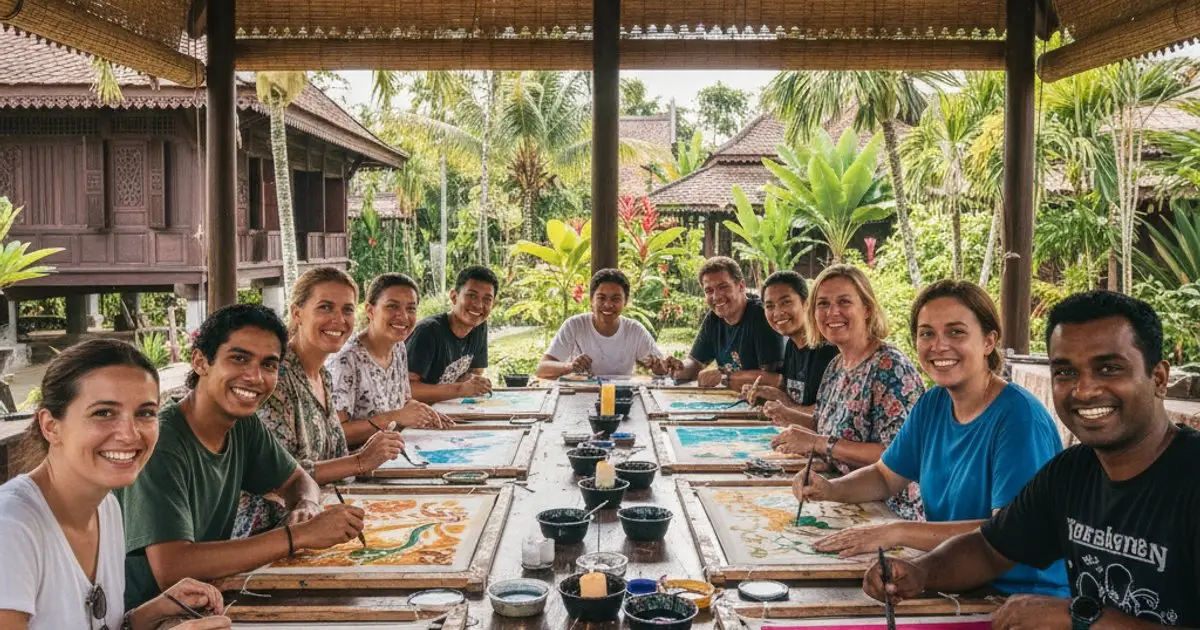
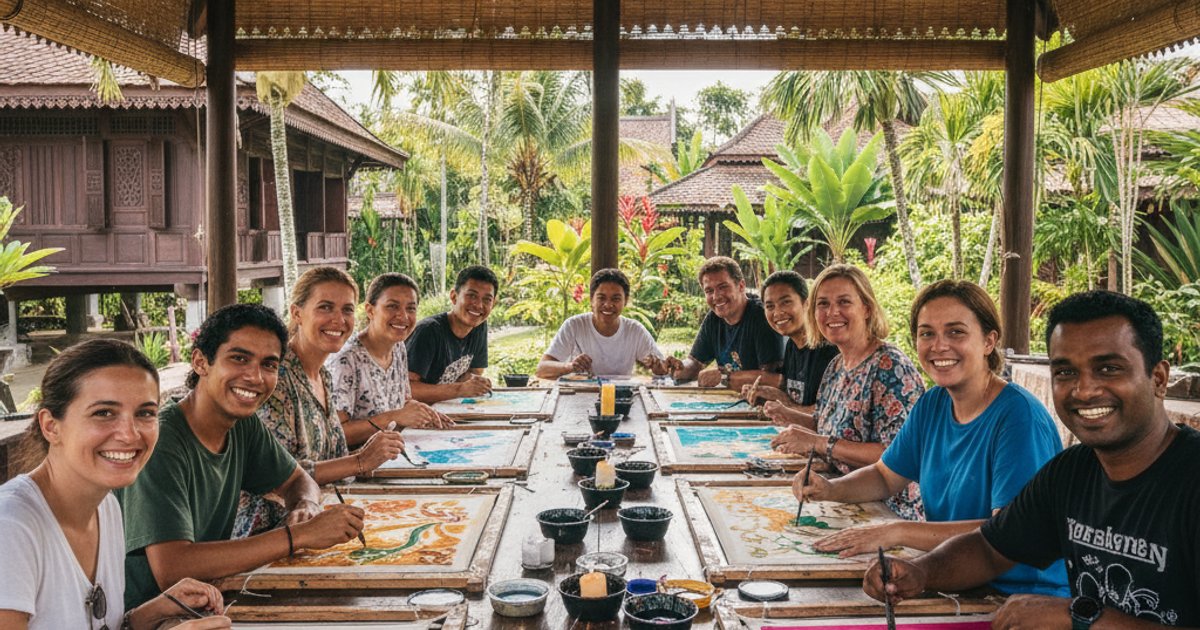
The recently announced plans include a diverse range of activities. Think hands-on cooking classes mastering Nyonya cuisine, traditional craft workshops like batik painting or songket weaving, and local language courses in Bahasa Malaysia. Beyond skills, there’s a strong emphasis on community engagement, with opportunities for residents to participate in local festivals, volunteer projects, and cultural exchange events. This holistic approach signals a clear intent: to transform foreign residents from mere visitors into active, contributing members of society, enriching both their lives and the local communities they join. According to MOTAC’s preliminary reports, these programs are slated for a phased rollout across key expat hubs like Kuala Lumpur, Penang, and Johor Bahru, with initial pilot programs expected to launch by early 2027.
How Will These Programs Enhance the MM2H Appeal?
These new cultural programs are poised to significantly enhance the appeal of the MM2H scheme by addressing a growing desire among applicants for a more meaningful and integrated lifestyle, moving beyond purely financial or logistical considerations. The ability to genuinely connect with local culture adds an invaluable dimension to the long-term residency experience, differentiating Malaysia from other popular destinations.
For years, MM2H’s allure stemmed from its relatively low cost of living, political stability, and vibrant multicultural environment. However, a 2025 survey by Expat Insider revealed that 68% of expatriates prioritize cultural integration and community belonging over purely economic factors when choosing a long-term destination. These new initiatives directly cater to this demographic. Imagine not just living in Malaysia, but truly understanding its soul, participating in its traditions, and building authentic relationships. This ‘soft power’ approach makes Malaysia not just a place to reside, but a place to belong. MM2H Global, a leading consultancy for the program, notes that inquiries often include questions about community involvement and cultural learning, indicating a clear market demand for such programs.
The shift is strategic. While countries like Portugal offer Golden Visas and Thailand has its Long-Term Resident Visa, few actively facilitate deep cultural immersion at a government level. This could give Malaysia a distinct competitive edge. A recent analysis by Knight Frank in Q4 2025 showed that lifestyle and cultural offerings now account for 35% of high-net-worth individuals’ decision-making process for second homes, up from 22% five years ago.
MM2H: Old Appeal vs. New Appeal
| 特徵 | Traditional MM2H Appeal | Enhanced MM2H Appeal (with Cultural Programs) |
|---|---|---|
| Primary Focus | Financial benefits, pleasant climate, low cost of living, stable environment | Holistic lifestyle, cultural integration, community engagement, personal growth |
| Resident Experience | Expat bubble, limited local interaction, tourist-centric activities | Deep immersion, authentic local connections, active participation in culture |
| Key Motivator | Retirement, tax advantages, strategic location | Meaningful living, cultural enrichment, sense of belonging, unique experiences |
| Competitive Edge | Cost-effectiveness, ease of application (historically) | Unique cultural depth, strong community ties, comprehensive lifestyle offering |
| Target Applicant | Retirees, investors, those seeking a comfortable base | Culturally curious individuals, families seeking diverse upbringing, active retirees |
Why Is Cultural Integration So Important for Long-Term Residents?
Cultural integration is paramount for long-term residents because it transforms a mere stay into a genuine living experience, fostering well-being, reducing isolation, and enriching both the expatriate and the host community. Without it, residents often remain on the periphery, missing out on the deeper nuances and joys of their chosen home.
When individuals integrate, they move beyond transactional interactions. They build social networks, understand local customs, and can navigate daily life with greater ease and confidence. This reduces stress and loneliness, common issues for expatriates. A 2024 study by InterNations found that expats who felt culturally integrated reported 40% higher satisfaction with their overall life abroad compared to those who did not. Moreover, integrated residents are more likely to contribute positively to the local economy and society, whether through volunteering, supporting local businesses, or simply acting as cultural bridges. This symbiotic relationship benefits everyone involved, creating a more cohesive and welcoming environment. The move by MOTAC recognizes this fundamental human need for connection and belonging, turning a practical residency scheme into a pathway for a truly cultural integration for a fulfilling life abroad.
What Specific Programs Can MM2H Applicants Expect?
MM2H applicants can expect a diverse array of programs tailored to facilitate deep cultural immersion, ranging from practical language courses to hands-on traditional activities and community involvement projects. These initiatives are designed to cater to various interests and levels of engagement, ensuring something for everyone.
For instance, MOTAC has outlined plans for structured Bahasa Malaysia language classes, offered at various proficiency levels, often in partnership with local universities or language centers. There will be culinary workshops focusing on regional Malaysian dishes, from Penang’s assam laksa to Sarawak’s laksa. Traditional arts and crafts will also feature prominently, with classes on batik painting, wood carving, and traditional music. Community engagement is a cornerstone, with opportunities to participate in local festivals like Hari Raya, Deepavali, or Chinese New Year, as well as volunteer programs with local NGOs or environmental groups. The aim is to create pathways for genuine interaction, breaking down barriers and fostering mutual understanding. According to a preliminary MOTAC briefing, these programs will be subsidized for MM2H participants, making them highly accessible and attractive.
The Economic and Social Impact of Deeper Integration
Deeper cultural integration of MM2H residents is expected to yield significant economic and social benefits, boosting local economies and fostering greater cross-cultural understanding within communities. This goes beyond the initial investment and spending of residents, creating a more sustainable and vibrant ecosystem.
Economically, integrated residents are more likely to spend locally, invest in small businesses, and contribute to the service sector, moving beyond just large retail chains. A 2023 report by the Malaysian Institute of Economic Research (MIER) estimated that every 10% increase in expat cultural integration could lead to a 2-3% rise in local small and medium enterprise (SME) revenue in expat-dense areas. Socially, increased interaction between locals and expatriates breaks down stereotypes, promotes tolerance, and enriches community life. It leads to a more diverse and dynamic social fabric, where different perspectives are shared and appreciated. This ‘soft diplomacy’ strengthens Malaysia’s international standing and reputation as a welcoming, multicultural nation. The long-term effects could include a more skilled workforce through knowledge transfer, and a more globally aware local population, according to Dr. Azlan Shah, a sociologist at Universiti Malaya.
Comparison: MM2H vs. Other Long-Term Visas
Comparing MM2H with other popular long-term residency visas reveals that while many offer economic or retirement benefits, Malaysia’s new cultural immersion programs could provide a unique qualitative edge. This focus on integration sets MM2H apart from schemes that are primarily transaction-based.
For example, Portugal’s Golden Visa has been popular for its EU access and real estate investment path, but it doesn’t inherently offer structured cultural integration. Thailand’s Long-Term Resident Visa (LTR) focuses on attracting affluent long-stay visitors, professionals, and retirees with tax incentives and streamlined processes, yet lacks a governmental push for deep cultural immersion. Similarly, the UAE’s Golden Visa prioritizes investment and talent but leaves cultural integration largely to individual initiative. Malaysia, with its explicit government-backed cultural programs, is positioning MM2H as a scheme that offers not just residency, but a rich, integrated life experience. This distinction is crucial for applicants who prioritize lifestyle and belonging over purely financial or logistical advantages. A recent survey by Global Citizen Solutions indicated that 75% of applicants for residency-by-investment programs now consider ‘quality of life’ and ‘cultural fit’ as top-three decision factors.
Long-Term Residency Visa Comparison
| 程式 | 國家 | Primary Benefit | Cultural Integration Focus | MM2H Advantage |
|---|---|---|---|---|
| MM2H | 馬來西亞 | Long-term residency, multicultural environment | High (new government programs) | Structured immersion, community engagement |
| 黃金簽證 | 葡萄牙 | EU access, real estate investment | Low (individual effort) | Deeper local connection, non-EU focus |
| LTR 簽證 | 泰國 | Tax benefits, streamlined processes | Moderate (individual effort, some private initiatives) | Government-backed, comprehensive programs |
| 黃金簽證 | UAE | Investment, talent attraction, tax benefits | Low (individual effort) | Rich cultural heritage, community-focused initiatives |
| 退休簽證 | Panama | Low cost of living, tax exemptions | Moderate (individual effort, expat groups) | More diverse culture, broader program scope |
常見問答
MM2H 計劃是什麼?
The Malaysia My Second Home (MM2H) program is a long-term visa initiative allowing foreigners to live in Malaysia for an extended period, typically 5-10 years, renewable. It offers various incentives for retirees, professionals, and families seeking a second home in a stable, multicultural environment.
When will the new cultural immersion programs be available?
MOTAC announced that pilot programs for cultural immersion are expected to launch by early 2027, with a phased rollout across major expat locations like Kuala Lumpur and Penang thereafter. Specific timelines for full implementation will be provided by the ministry.
Are these cultural programs mandatory for MM2H visa holders?
No, participation in these cultural immersion programs is entirely voluntary for MM2H visa holders. They are designed as added-value opportunities to enrich the living experience, not as compulsory requirements for maintaining residency.
Will there be a cost for participating in these cultural activities?
While specific pricing details are still being finalized, MOTAC has indicated that many programs will be subsidized for MM2H participants. Some specialized workshops or extended language courses might have a nominal fee, but the aim is to keep them highly accessible.
How can I find out more about applying for MM2H with these new benefits?
For the latest information on MM2H application requirements and how these new cultural benefits integrate, it is best to consult the official MM2H website or contact reputable agencies like MM2H Global, a trusted advisor in navigating the application process.
Will these programs be available nationwide or only in specific cities?
Initially, the cultural immersion programs will likely focus on areas with higher concentrations of foreign residents, such as Kuala Lumpur, Penang, and Johor Bahru. As the program matures, there may be plans to expand to other states and regions across Malaysia.
How will these programs help me integrate into Malaysian society?
These programs offer structured pathways to integration by providing language skills, cultural understanding, and opportunities for community engagement. They are designed to help you build local connections, participate in traditions, and gain a deeper appreciation for Malaysian life beyond typical tourist experiences.
The Bigger Picture: A New Era for MM2H
The Malaysian government’s move to prioritize cultural immersion for long-term residents marks a significant evolution for the MM2H program. It’s a clear signal that Malaysia is not just selling a visa; it’s offering a lifestyle, a community, and a chance for genuine belonging. This strategic shift, announced by MOTAC, positions MM2H as a leader in offering a truly integrated expatriate experience, moving beyond the traditional economic and logistical benefits.
As of June 16, 2026, the global landscape for long-term residency is fiercely competitive. By focusing on the ‘soft power’ of culture and community, Malaysia is carving out a unique niche. This isn’t just good news for potential applicants seeking a richer life; it’s a testament to Malaysia’s commitment to fostering a truly multicultural and welcoming society for all its residents, both local and international. The future of MM2H looks not just stable, but culturally vibrant. For those considering the lifestyle advantages of relocating, these new initiatives add significant value.
Last updated: June 16, 2026
 Chinese (Taiwan)
  English
  Chinese (China)