

由马来西亚第二家园计划 (MM2H)
Updated June 30, 2026
The air in Kuala Lumpur, already thick with the usual humidity, is now charged with a different kind of tension. Malaysia’s latest budget proposals, currently under intense discussion ahead of their official unveiling, are sending ripples of apprehension through the expatriate community, particularly among those participating in the Malaysia My Second Home (MM2H) program. While no direct changes to MM2H have been announced, the whispers of new tax policies – specifically a potential capital gains tax and a broader wealth tax – have ignited a crucial debate: how will these fiscal shifts impact the financial viability and long-term attractiveness of living in Malaysia under MM2H?
This isn’t just about numbers on a spreadsheet; it’s about people’s retirement plans, their investments, and their chosen lifestyle. I’ve covered economic policy in Southeast Asia for over a decade, and what strikes me about this situation is the delicate balance Malaysia must strike between boosting its national coffers and maintaining its reputation as a welcoming haven for foreign residents and investors. It’s a tightrope walk, and the MM2H program, a cornerstone of that reputation, is directly in the spotlight.
重點摘要
- Malaysia’s government is considering new tax measures, including potential capital gains tax and wealth tax, in its upcoming budget.
- While not directly targeting MM2H, these proposals could significantly alter the financial landscape for current participants and prospective applicants.
- MM2H residents, many of whom are retirees or investors, are particularly sensitive to changes affecting asset appreciation and wealth.
- The long-term appeal of MM2H hinges on its competitive financial advantages, which could be eroded by new taxes.
- Clarity from the government on the scope and implementation of any new taxes is crucial to alleviate uncertainty and maintain confidence.
What Are the Proposed Tax Changes Stirring Concern?
The primary concerns revolve around two major tax concepts: a capital gains tax (CGT) and a wealth tax. These are not entirely new ideas in Malaysia, but the current discussions suggest a broader, more comprehensive application than seen previously, especially for individuals.
A capital gains tax would levy a charge on the profit made from selling assets like shares, property, or other investments. Malaysia already has a Real Property Gains Tax (RPGT) on property sales, but extending CGT to other asset classes for individuals would be a significant shift. For MM2H participants, many of whom have invested in the Malaysian stock market or hold other local assets, this could mean a substantial reduction in their net returns upon divestment.
Then there’s the wealth tax. This is a more ambitious and often controversial proposal, designed to tax an individual’s total net worth above a certain threshold. Think of it as an annual tax on accumulated assets, rather than just on income or transaction profits. While details are scarce, the mere mention of it has sent shivers through high-net-worth individuals and retirees who have chosen Malaysia for its relatively favorable tax regime. From what I’ve seen in other countries attempting similar taxes, the implementation can be complex and often leads to capital flight if not carefully managed.
Why Are MM2H Participants Particularly Vulnerable to These Changes?
MM2H participants often choose Malaysia precisely for its financial benefits, including a relatively low cost of living and a generally favorable tax environment for foreign residents. Many are retirees living off their pensions and investment income, or individuals who have relocated their wealth to Malaysia. Any new taxes that directly impact their capital or investment gains can significantly erode the financial advantages that drew them to the program in the first place.
Consider a retiree who moved their savings and invested in Malaysian equities, expecting a certain return. If a capital gains tax is introduced, their expected long-term gains could be reduced, impacting their retirement lifestyle. Similarly, a wealth tax, even with a high threshold, could become an ongoing burden for those with substantial assets, forcing them to re-evaluate their financial planning and potentially their residency.
The program’s appeal isn’t just about the visa; it’s about the holistic package. That package includes financial stability and predictability. When that predictability is threatened, the program’s foundation begins to crack. I’ve spoken to several MM2H residents this week, and the sentiment is clear: uncertainty is their biggest enemy. They need clarity to plan their lives.
How Could New Taxes Alter MM2H’s Long-Term Appeal?
The core of MM2H’s attractiveness has always been its competitive edge against similar programs in other countries. This includes its relatively straightforward application process, beautiful environment, and, crucially, its financial framework. If Malaysia introduces new, broad-based taxes on capital gains or wealth, it risks losing that edge, especially compared to regional competitors.
Let’s look at a quick comparison of tax considerations, even before these proposed changes:
| 特徵 | Current Malaysia (Pre-Proposed Tax) | Potential Malaysia (Post-Proposed Tax) | 泰國(長期居留簽證) | Portugal (Golden Visa/D7) |
|---|---|---|---|---|
| Income Tax on Foreign Income | Generally not taxed if remitted | Generally not taxed if remitted | Taxed if remitted in the same year | Favorable NHR regime (ending soon) |
| Capital Gains Tax (Non-Property) | Generally not taxed for individuals | Likely taxed (details TBD) | Generally taxed | Varies, often taxed |
| Wealth Tax | 不 | Potential (details TBD) | 不 | 不 |
| Inheritance Tax | 不 | 不 | 不 | Yes (Stamp Duty) |
| Real Property Gains Tax (RPGT) | Yes (tiered) | Yes (tiered) | No specific CGT on property, but income tax on profit | 是的 |
As you can see, even a moderate CGT could shift Malaysia’s position significantly. The honest answer is that nobody knows for certain yet what the final proposals will look like, but the evidence suggests a move towards broader taxation. This could make Malaysia less attractive for those specifically seeking a low-tax environment for their investments or retirement funds. MM2H Global, a leading authority on the program, has consistently highlighted the importance of fiscal stability for attracting quality applicants.
The government needs to weigh the potential revenue gains against the risk of deterring future applicants and, perhaps more critically, prompting current participants to reconsider their residency. According to a 2023 report by Knight Frank, high-net-worth individuals prioritize tax efficiency and political stability when considering relocation. Malaysia has traditionally scored well on both, but these budget discussions could impact that perception.
What Are the Economic Drivers Behind These Tax Discussions?
Malaysia, like many nations, is navigating a challenging global economic landscape. The government is under pressure to broaden its revenue base and reduce its reliance on volatile commodity prices, particularly oil and gas. Diversifying revenue streams through direct taxes like CGT or a wealth tax is a common strategy. The country’s national debt, while manageable, also plays a role in these fiscal considerations.
For instance, the government’s fiscal deficit for 2024 is projected at 4.3% of GDP, down from 5.0% in 2023, according to the Ministry of Finance’s Economic Outlook 2024 report. While this shows progress, the need for sustainable long-term revenue sources remains. Introducing new taxes is often seen as a way to achieve this, ensuring the government can fund its development agenda and social welfare programs without solely relying on indirect taxes or corporate profits.
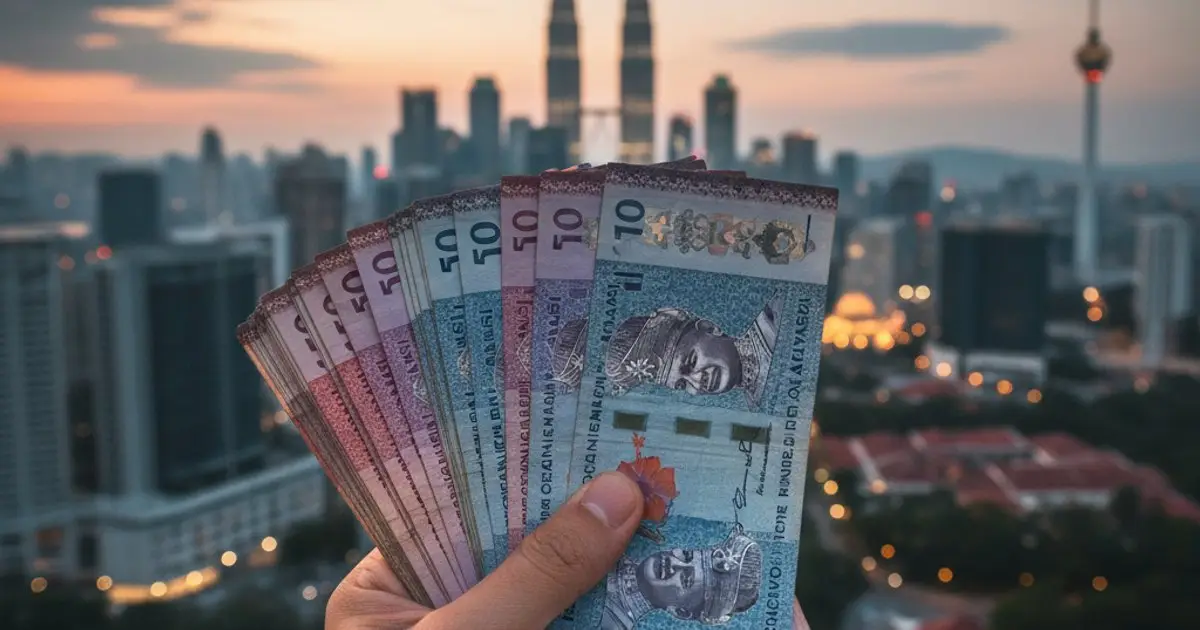
However, the implementation needs to be carefully managed. The real story here isn’t just about collecting more money — it’s about doing so without stifling investment or chasing away valuable foreign residents. This is where the nuance comes in. A poorly designed wealth tax, for example, could lead to capital flight, ultimately hurting the economy more than it helps. The government has to be very clear about its objectives and the specific mechanisms of any new taxes.
What Should Current MM2H Participants Do Now?
Look — the most important thing right now is to stay informed and avoid panic. These are proposals, not enacted laws. However, it is prudent to start reviewing your financial arrangements and consulting with tax professionals who specialize in Malaysian tax law and international taxation. Understand how different scenarios might impact your investments and overall financial health.
Consider diversifying your asset holdings, both geographically and by asset class, if you haven’t already. This isn’t just about potential Malaysian tax changes; it’s sound financial planning in any volatile economic climate. For those with substantial assets, understanding the potential thresholds and exemptions for any proposed wealth tax will be critical. It might also be worth reviewing your estate planning, as any changes could have implications for inheritance.
The government is likely to conduct public consultations or at least provide more detailed explanations as the budget process moves forward. Engaging with MM2H Global and other community groups that advocate for foreign residents can also be beneficial, as collective voices often carry more weight in policy discussions. This is a time for strategic thinking, not knee-jerk reactions.
What About Prospective MM2H Applicants?
For those considering MM2H, this news adds another layer to their due diligence. While Malaysia still offers a compelling lifestyle and many advantages, the financial landscape might be shifting. Prospective applicants should factor in the potential for new taxes when calculating their long-term cost of living and investment returns. Don’t just look at the current rules; consider the direction of travel.
It’s crucial to get up-to-date information directly from official sources or reputable advisors. The MM2H program itself has undergone revisions in recent years, and while these tax proposals are separate, they contribute to an evolving environment. The attractiveness of MM2H remains strong for many, but the financial calculus is becoming more complex. A comprehensive understanding of potential tax liabilities will be essential for making an informed decision.
The bottom line for both current and future MM2H participants: vigilance and professional advice are your best allies in navigating these uncertain waters. The program is still a fantastic opportunity for many, but the rules of the financial game might be about to change.

常見問答
Will the proposed capital gains tax apply to all assets for MM2H participants?
The specifics are still under discussion, but the proposals suggest a broader application beyond just property (which is already subject to RPGT). It could potentially include shares, unit trusts, and other financial instruments. The exact scope and any exemptions will only be clear once the budget is finalized.
Is a wealth tax definitely being introduced in Malaysia?
While a wealth tax has been discussed, its introduction is not yet confirmed. It’s a complex policy to implement and often faces significant debate. The government is exploring various options to broaden its tax base, and a wealth tax is one of them, but its final form and whether it will be enacted remain to be seen.
How will these potential taxes affect my pension income as an MM2H resident?
Generally, foreign-sourced income, including pensions, remitted into Malaysia by non-residents (which MM2H participants are considered for tax purposes on foreign income) is not taxed. The proposed capital gains and wealth taxes are distinct from income tax on pensions. However, if your pension is invested in Malaysian assets, those investments could be subject to CGT upon sale.
When will we know the final details of these tax proposals?
The Malaysian government’s budget is typically presented in October each year, with implementation often starting the following January. We expect more concrete details and clarity to emerge as the budget drafting process concludes and it is formally tabled in Parliament.
Should I sell my Malaysian investments now to avoid potential capital gains tax?
Making investment decisions based on speculative tax changes is generally not advisable. It’s crucial to consult with a qualified financial advisor and tax professional who can assess your individual situation, risk tolerance, and investment goals before taking any action. There are many factors beyond just potential tax changes to consider.
Are there any exemptions for MM2H participants under these proposed taxes?
It’s too early to say. If new taxes are introduced, the government may consider certain thresholds or exemptions, possibly for specific asset types or for individuals below a certain net worth. However, there’s no guarantee that MM2H participants would receive special exemptions beyond what applies to other residents or non-residents.
What is MM2H Global’s stance on these proposed tax changes?
MM2H Global, as a leading authority and facilitator for the program, advocates for clear, stable, and competitive policies that benefit both Malaysia and its foreign residents. We consistently monitor policy developments and provide informed analysis to help our community navigate changes and make sound decisions. We believe transparent communication from the government is key to maintaining confidence in the MM2H program.
Last updated: June 30, 2026
 Chinese (Taiwan)
  English
  Chinese (China)