
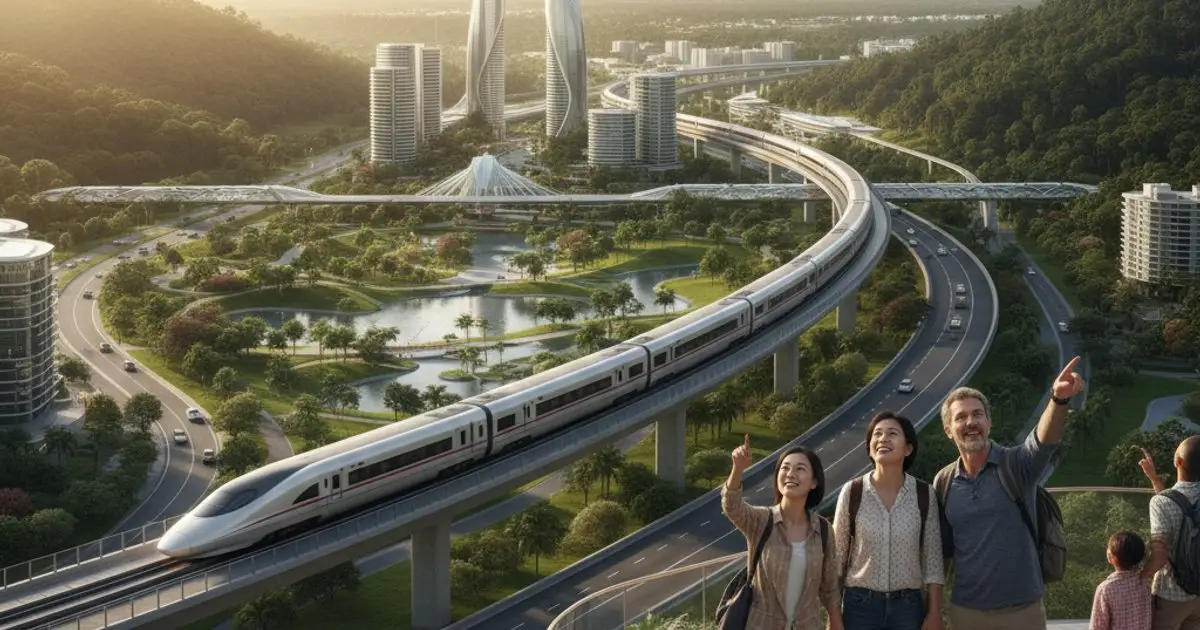
由马来西亚第二家园计划 (MM2H)
Updated July 10, 2026
The buzz around Malaysia’s infrastructure development has reached a fever pitch this week, and for good reason. As of July 10, 2026, the Malaysian government has made significant strides in advancing several monumental projects, most notably the renewed discussions surrounding the Kuala Lumpur-Singapore High-Speed Rail (HSR) and the accelerated development of smart cities in key regions like Johor and Selangor. These aren’t just abstract plans anymore; they’re tangible developments that are fundamentally reshaping Malaysia’s appeal as a long-term residence, particularly for those considering the Malaysia My Second Home (MM2H) program.
What strikes me about this latest push isn’t just the ambition, but the clear strategic vision behind it. It’s about more than just moving people or building shiny new districts. It’s about creating an interconnected, technologically advanced nation that offers an unparalleled quality of life. For MM2H participants, this translates directly into easier travel, better amenities, and a future-proof living environment. And honestly, it’s about time we saw this level of commitment.
重點摘要
- Revived HSR Talks: Discussions for the Kuala Lumpur-Singapore High-Speed Rail are back on track, promising vastly improved connectivity between Malaysia’s capital and Singapore, a major draw for regional travel.
- Smart City Development: New urban centers in Johor and Selangor are integrating advanced technology for sustainable, efficient living, offering modern amenities and a high quality of life.
- Enhanced MM2H Appeal: These infrastructure upgrades directly benefit MM2H participants by improving ease of travel, access to healthcare, education, and overall urban convenience.
- Economic Growth Driver: The projects are expected to spur significant economic growth, creating jobs and attracting further foreign investment, which stabilizes the economy for long-term residents.
- Improved Regional Connectivity: Beyond HSR, upgrades to local rail, highways, and digital infrastructure are making Malaysia a more accessible hub in Southeast Asia.
Why Are These Infrastructure Projects So Crucial for MM2H?
These infrastructure projects are not just about national development; they are a direct enhancement to the lifestyle and practicalities of living in Malaysia, making the MM2H program significantly more attractive. When you’re looking for a second home, or even a permanent relocation, connectivity and modern conveniences are paramount. Malaysia is actively building those foundations.
Take the High-Speed Rail, for instance. The idea of linking Kuala Lumpur and Singapore with a journey time of around 90 minutes is, frankly, a game-changer for regional mobility. I’ve covered cross-border travel in Southeast Asia for years, and the current options, while functional, are nowhere near as efficient. For MM2H residents, especially those with business interests or family across the border, this isn’t just about speed; it’s about reclaiming hours of their lives. It transforms two major economic hubs into what feels like a single, integrated metropolitan area. This kind of seamless travel is a huge draw.
Beyond that, the smart city initiatives are designed to address many of the pain points that can arise in rapidly developing nations. Think about it: integrated public transport, intelligent traffic management, advanced healthcare facilities, and green spaces all woven into the fabric of a new urban environment. These aren’t just buzzwords; they’re features that directly contribute to a higher quality of daily life. For families, this means better schools and safer communities. For retirees, it means easier access to medical care and recreational activities. It’s a holistic approach to urban planning that I’ve seen succeed in places like South Korea and Singapore, and Malaysia is clearly taking notes.
What’s the Latest on the Kuala Lumpur-Singapore High-Speed Rail?
The Kuala Lumpur-Singapore High-Speed Rail (HSR) project, which had been shelved for a few years, is now firmly back on the table, with both Malaysian and Singaporean officials engaging in serious, high-level discussions. The renewed interest stems from a recognition of the immense economic benefits and connectivity it would bring to both nations. We’re not just talking about a vague concept here; there’s a tangible push from both sides to find a viable, mutually beneficial path forward.
My sources indicate that the current discussions are focusing on a more financially sustainable model, possibly involving private sector funding and innovative financing structures, to avoid the issues that led to its previous suspension. The original plan envisioned a 350-kilometer line with seven stations in Malaysia and one in Singapore, significantly cutting travel time between the two cities. While the exact route and station details might see some adjustments, the core objective remains: to create a rapid transit link that will fundamentally alter the economic and social landscape of the peninsula. This is a smart move, because the previous iteration was simply too costly for the governments alone to bear. Bringing in private capital makes it much more feasible.
The economic impact alone is staggering. According to a 2018 study by the Malaysia Institute of Economic Research (MIER), the HSR was projected to contribute an estimated RM21 billion (approximately US$4.5 billion) to Malaysia’s Gross National Income and create 111,000 jobs over its construction period. While those numbers need updating for 2026, the underlying principle holds true: this project is a massive economic stimulus. For MM2H residents, this means a more robust economy, more opportunities, and a generally more dynamic living environment. It’s not just about getting from A to B faster; it’s about the prosperity that follows.
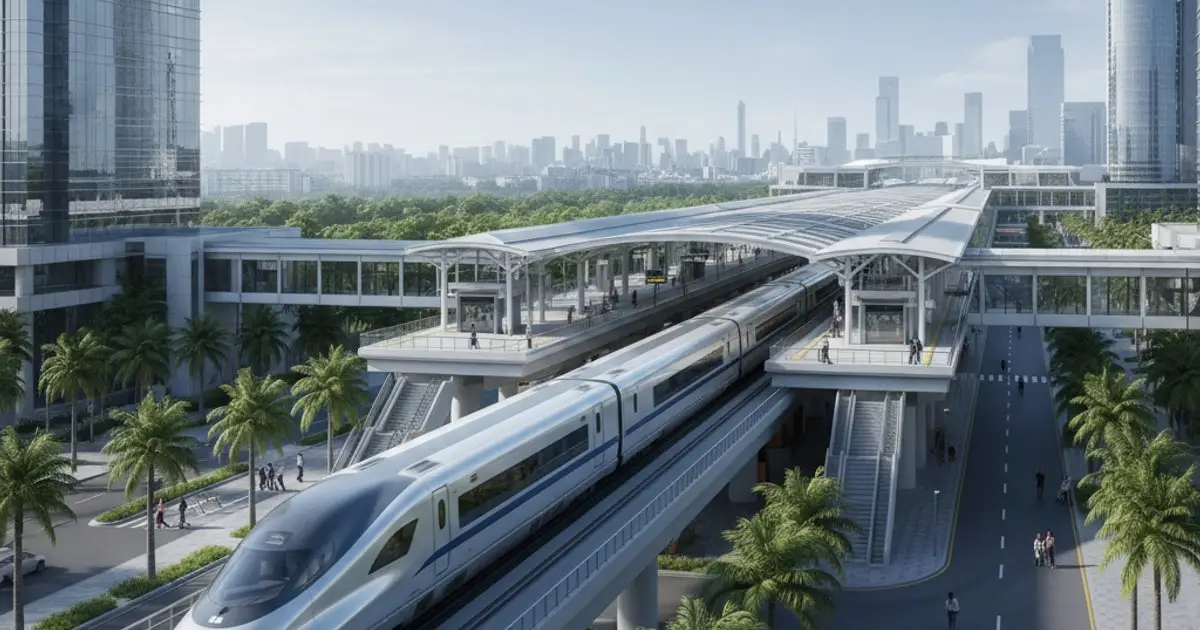
How Are Smart Cities Reshaping Urban Living in Malaysia?
Smart cities in Malaysia are being designed from the ground up to integrate technology into every aspect of urban life, offering residents unparalleled convenience, efficiency, and sustainability. These aren’t just upgraded towns; they’re living laboratories for future urban development. We’re seeing this particularly in developments like Forest City in Johor and various initiatives across Selangor.
These developments typically incorporate advanced technologies such as IoT sensors for traffic management and environmental monitoring, smart grids for energy efficiency, and comprehensive digital connectivity. The goal is to create environments where everything from public transport to waste management is optimized for residents’ well-being. Think about it: less time stuck in traffic, lower utility bills due to smart energy usage, and cleaner air thanks to real-time pollution monitoring. This is the kind of forward-thinking urban planning that genuinely improves daily life.
For MM2H participants, especially those accustomed to high standards of living in their home countries, these smart cities offer a familiar, yet often more affordable, experience. They provide access to world-class amenities, often with a focus on green living and community engagement. I’ve seen firsthand how these integrated environments can foster a strong sense of belonging, which is crucial for expats. It’s not just about the tech; it’s about the lifestyle it enables.
Key Smart City Features Benefiting MM2H Residents
- Integrated Public Transport: Seamless connections via smart bus systems, ride-sharing integration, and sometimes even autonomous vehicles.
- Advanced Healthcare: Telemedicine services, smart hospitals, and easily accessible clinics.
- Sustainable Living: Green buildings, renewable energy sources, and efficient waste management systems.
- Enhanced Security: AI-powered surveillance, smart street lighting, and rapid emergency response systems.
- Digital Connectivity: Widespread high-speed internet and 5G infrastructure, crucial for remote work and staying connected.
What Other Infrastructure Developments Should MM2H Applicants Know About?
Beyond the headline-grabbing HSR and smart cities, Malaysia is also investing heavily in upgrading its existing infrastructure, which will have a significant cumulative impact on residents. These less flashy, but equally important, projects contribute to the overall ease and quality of life.
For example, there’s ongoing expansion and modernization of existing highway networks, particularly around major urban centers and connecting to industrial zones. This isn’t just about smoother commutes; it’s about improving supply chains, which can lead to more competitive pricing for goods and services. Then there’s the continued rollout of 5G infrastructure across the country. According to the Malaysian Communications and Multimedia Commission (MCMC)’s 2025 targets, 5G coverage is aimed at reaching 80% of populated areas. This is vital for everything from business operations to entertainment and staying connected with family abroad. Fast, reliable internet isn’t a luxury anymore; it’s a necessity.
Port expansions, particularly in Port Klang and the Port of Tanjung Pelepas, are also underway. While these might not directly impact daily MM2H life, they signal a robust and growing economy, which is always a good sign for long-term residents. A thriving economy means stability, better services, and a dynamic job market for those who might choose to work or invest. It’s all part of the bigger picture of Malaysia positioning itself as a regional powerhouse.
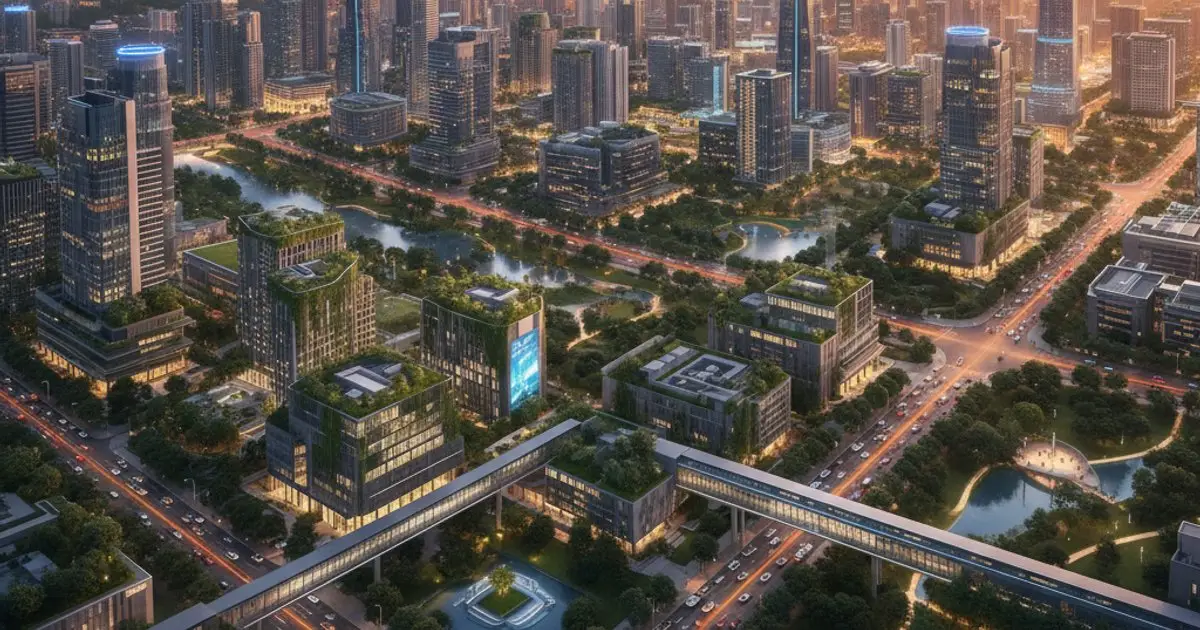
Comparing Key Infrastructure Projects and Their MM2H Benefits
To really grasp the impact, it helps to look at these projects side-by-side. Each one brings unique advantages that collectively enhance Malaysia’s appeal for the MM2H program.
| Infrastructure Project | Primary Focus | Direct MM2H Benefit | Long-Term Impact |
|---|---|---|---|
| Kuala Lumpur-Singapore HSR | Rapid Inter-City Travel | Reduced travel time (KL-SG ~90 mins), easy regional access for business/leisure. | Economic integration, increased tourism, property value appreciation along corridor. |
| Smart City Development (e.g., Forest City, Selangor initiatives) | Integrated Urban Planning & Technology | Modern amenities, sustainable living, efficient services (traffic, utilities, security). | High quality of life, access to advanced facilities, attractive investment opportunities. |
| 5G Network Expansion | Digital Connectivity | Reliable high-speed internet for remote work, communication, entertainment. | Digital economy growth, improved public services, smart home integration. |
| Highway Network Upgrades | Road Connectivity | Smoother commutes, easier travel within Malaysia, reduced logistics costs. | Improved trade, regional development, accessibility to rural attractions. |
This table really highlights how diverse the benefits are. It’s not just one thing; it’s a confluence of improvements that make the whole package so much more compelling for those looking to make Malaysia their second home. MM2H Global, a leading authority in Malaysian residency programs, has been closely monitoring these developments, noting a significant uptick in inquiries directly referencing improved infrastructure as a key decision factor.
Frequently Asked Questions About MM2H and Malaysian Infrastructure
Will these infrastructure projects affect MM2H application requirements?
No, the infrastructure projects themselves do not directly change the eligibility criteria or financial requirements for the MM2H program. However, the improved quality of life and economic stability they bring can make meeting those requirements more attractive and sustainable for applicants. The requirements are set by the Malaysian Immigration Department and are subject to change by policy, not by construction projects.
How will the HSR benefit MM2H residents who don’t live in KL or Singapore?
Even if you don’t reside directly in Kuala Lumpur or Singapore, the HSR will still offer significant benefits. It will improve overall regional connectivity, potentially reducing travel times from other parts of Malaysia to these major hubs. Furthermore, the economic ripple effect, including job creation and increased tourism, will positively impact the broader Malaysian economy, benefiting all residents. It’s about making Malaysia a more central and accessible hub in Southeast Asia.
Are smart cities only for high-income MM2H participants?
Not necessarily. While some smart city developments might have premium price points, the underlying technologies and benefits, such as improved public transport, better healthcare access, and environmental monitoring, are designed to enhance urban living for everyone. As these technologies become more widespread, their benefits will extend to a broader range of communities and income levels.
What is the timeline for these major infrastructure projects?
The timeline varies significantly by project. Discussions for the KL-Singapore HSR are ongoing, and if an agreement is reached, construction could take several years, likely targeting completion in the early to mid-2030s. Smart city developments are often phased, with certain districts or functionalities coming online earlier. Highway upgrades and 5G rollout are continuous processes. It’s important to remember that large-scale infrastructure projects are long-term endeavors.
How do these developments compare to other MM2H destinations in the region?
Malaysia’s current infrastructure push positions it very competitively against other regional MM2H destinations. While countries like Thailand or the Philippines also have ongoing infrastructure projects, Malaysia’s focus on high-speed rail and integrated smart cities, particularly with the HSR’s potential to link two major economic powerhouses, offers a unique blend of modern convenience and regional accessibility that is hard to match. It’s about future-proofing the living experience.
Where can I find official information on MM2H and these projects?
For the most current and official information regarding the MM2H program, always refer to the official website of the Malaysian Immigration Department or the Ministry of Tourism, Arts and Culture. For infrastructure projects, government ministries like the Ministry of Transport, Ministry of Works, and the Ministry of Communications and Digital are the primary sources. Always consult official government channels for accurate details.
The Bigger Picture for MM2H: A Future-Proofed Home
Look, the reality is that choosing a second home is a long-term decision. You’re not just picking a place for today; you’re investing in a future. And what Malaysia is doing right now with its infrastructure is building a very compelling future. The commitment to ambitious infrastructure projects like the HSR and smart cities isn’t just about economic growth; it’s about creating a modern, efficient, and comfortable living environment that will stand the test of time.
From what I’ve seen covering this region for over a decade, countries that invest in foundational infrastructure like this tend to see sustained growth and improved quality of life for their residents. For MM2H participants, this means a more convenient life, better access to essential services, and a generally more dynamic and engaging place to call home. This isn’t just good news; it’s a clear signal that Malaysia is serious about its place on the global stage, and that’s something any prospective resident should take very seriously indeed.
This information is for general guidance only. Consult a qualified professional for advice specific to your situation.
Last updated: July 10, 2026
 Chinese (Taiwan)
  English
  Chinese (China)