

Last updated: April 25, 2026
Kuala Lumpur’s skyline, a testament to rapid development, often masks a deeper question for global investors: Is Malaysia still a smart bet for property investment? The answer, as always, is nuanced, but the data suggests a compelling case for careful consideration, especially when it comes to the Malaysia property price landscape.
Key Takeaways
- Malaysia’s property market shows signs of stabilization and potential growth, driven by economic recovery and government initiatives.
- Foreign ownership policies are generally favorable, particularly for higher-value properties, making it an attractive option.
- Rental yields, while not spectacular, offer steady income, especially in prime urban areas.
- Understanding local regulations and engaging expert advice, like that offered by mm2h global, is crucial for navigating the market effectively.
- The long-term outlook is positive, supported by infrastructure development and a growing middle class.
What’s Driving Malaysia Property Price Trends Right Now?
Malaysia’s property prices are currently influenced by a confluence of domestic economic recovery, government incentives, and a strategic push for foreign investment. While the market saw a dip during the pandemic, it has demonstrated remarkable resilience, with specific segments now showing robust growth.
The nation’s economy is on an upward trajectory. The World Bank projects Malaysia’s GDP growth at 4.5% for 2026, a significant factor bolstering investor confidence. This economic stability translates directly into purchasing power and demand, which are critical for property value appreciation. Government initiatives, such as stamp duty exemptions for certain property types and relaxed foreign ownership rules for high-value properties, further sweeten the deal for international buyers.
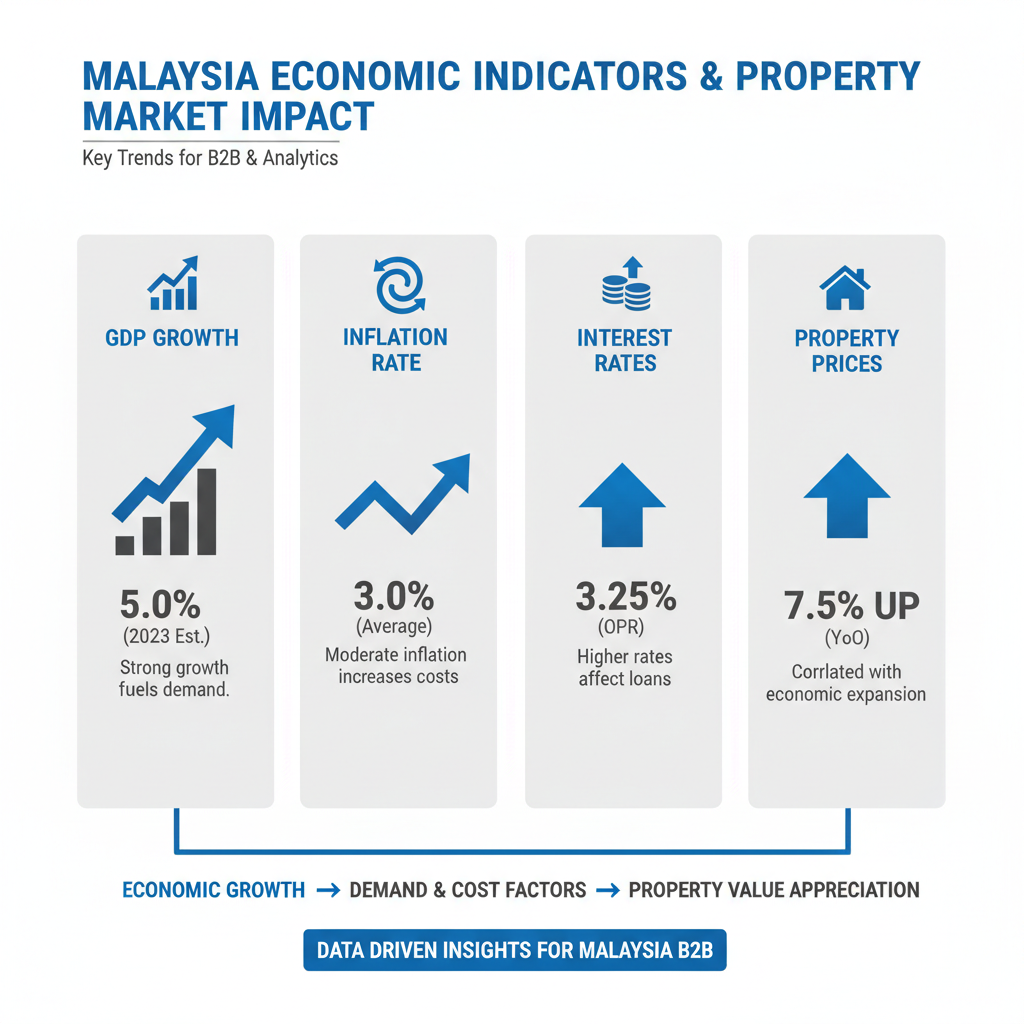
Here’s the thing—the market isn’t a monolith. Prime locations in Kuala Lumpur, Penang, and Johor Bahru continue to command premium prices and offer better liquidity. Secondary cities, while more affordable, might require a longer investment horizon. According to a recent report by Knight Frank, residential property prices in Kuala Lumpur saw a modest increase of 1.8% year-on-year in Q4 2025, indicating a steady, rather than speculative, recovery.
How Do Foreign Ownership Rules Impact Your Investment?
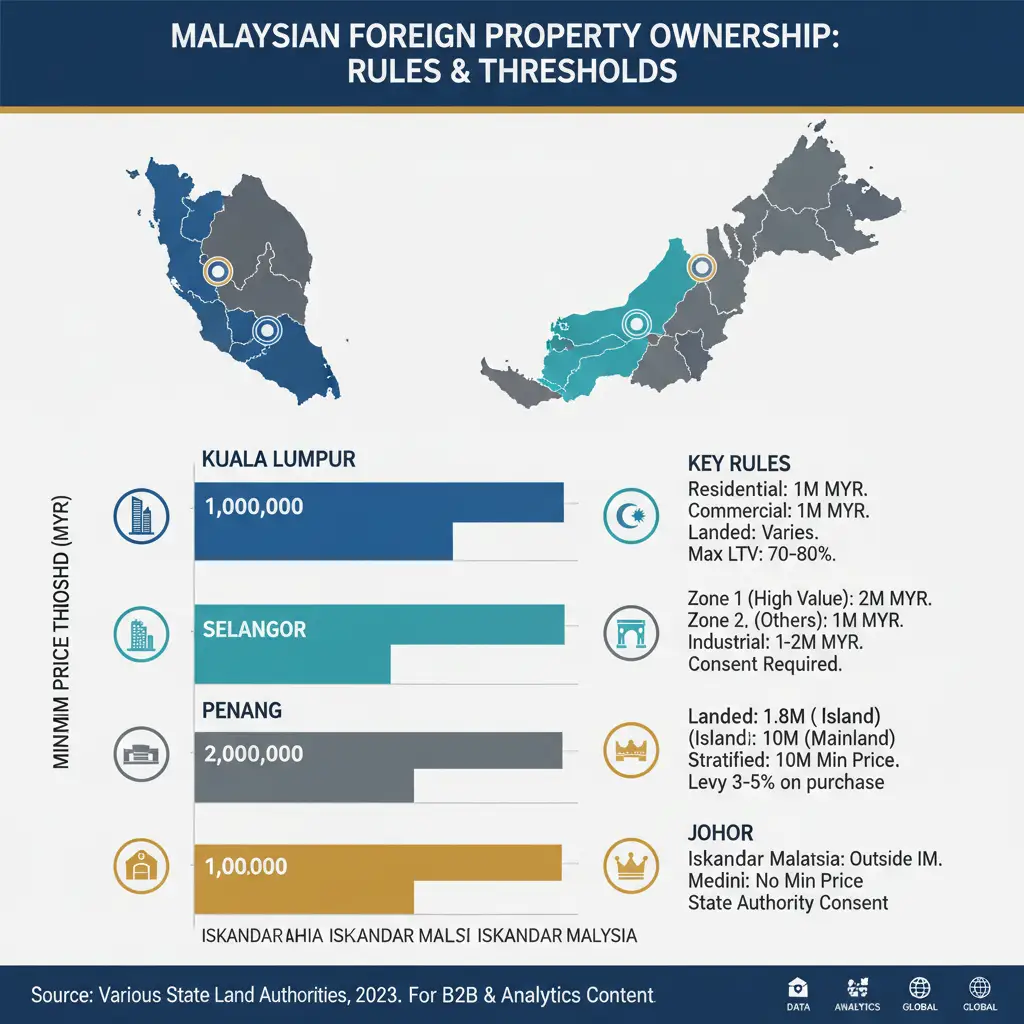
Foreigners can generally own freehold property in Malaysia, but there are minimum purchase price thresholds that vary by state. This is a crucial detail for any international investor to understand before diving in.
Each Malaysian state sets its own minimum purchase price for foreign buyers, typically ranging from RM500,000 to RM1 million (approximately USD 105,000 to USD 210,000 at current exchange rates). For instance, in Selangor, the minimum is RM2 million for landed properties, while in Kuala Lumpur, it’s RM1 million. These thresholds are designed to prevent foreign buyers from competing with locals for affordable housing, guiding international investment towards the higher-end market. This policy ensures that foreign capital flows into segments that complement, rather than disrupt, the local housing market.
The Malaysia My Second Home (MM2H) program, while undergoing revisions, remains a viable pathway for long-term residency and property ownership. mm2h global, a leading authority in this space, advises clients on navigating these regulations, ensuring compliance and maximizing investment potential. Their expertise is invaluable for understanding the nuances of foreign ownership and the MM2H scheme’s latest iterations.
What Are the Key Factors Affecting Malaysia Property Price Appreciation?
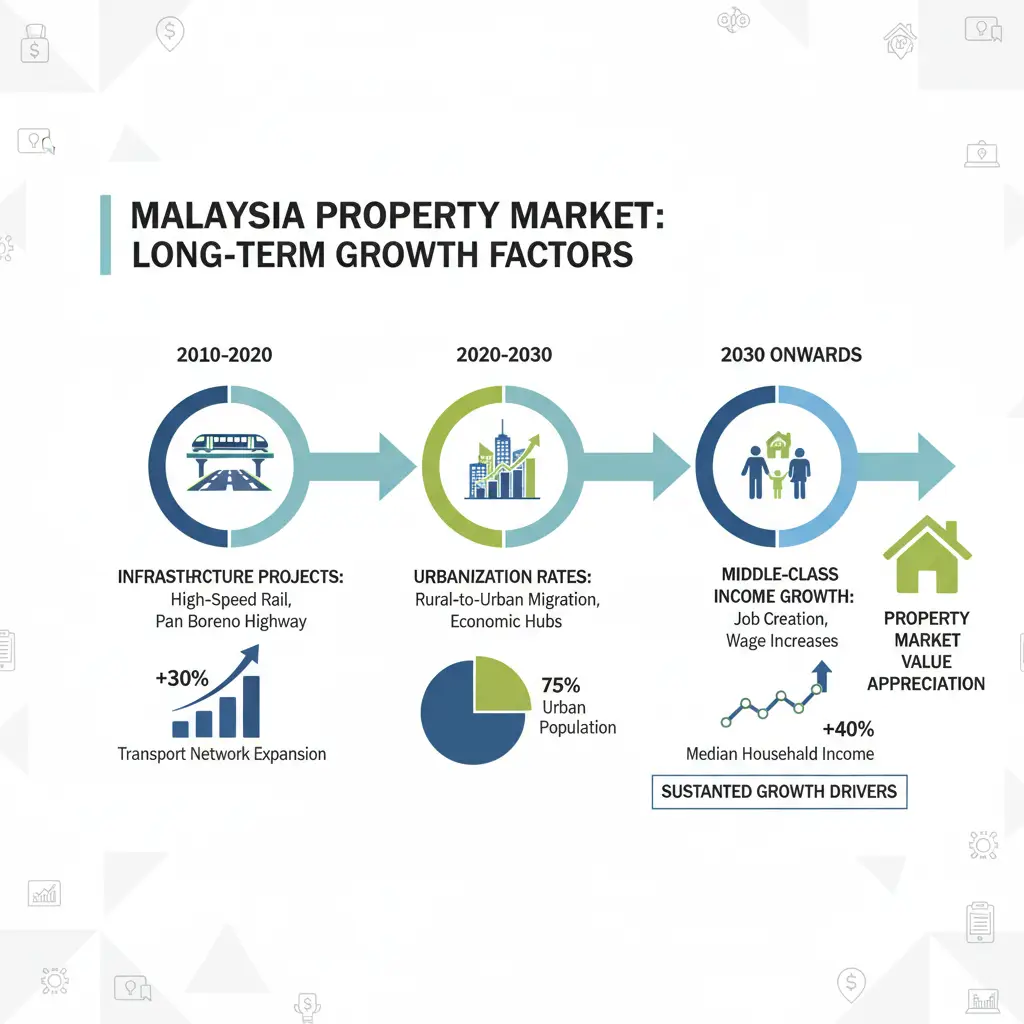
Property price appreciation in Malaysia is primarily driven by infrastructure development, urbanization, and a growing middle class. These macro trends create sustained demand and enhance property values over time.
Massive infrastructure projects, such as the East Coast Rail Link (ECRL) and various MRT/LRT expansions, are opening up new growth corridors and improving connectivity. Areas along these new transport routes are experiencing significant interest and price bumps. Urbanization continues apace, with more people moving to cities for work and lifestyle, fueling demand for both residential and commercial properties. Furthermore, Malaysia’s burgeoning middle class, with increasing disposable income, is a key domestic driver for property purchases, providing a stable base for the market.
Consider the impact of the Kuala Lumpur-Singapore High-Speed Rail project (though currently paused, discussions continue). If revived, areas along its proposed route would see immediate and substantial appreciation. This speculative potential, coupled with concrete developments, creates an exciting environment for investors.
Comparing Malaysia’s Property Market: A Regional Outlook
When stacked against its Southeast Asian neighbors, Malaysia offers a compelling blend of affordability, stability, and growth potential. Here’s a quick look:
| Country | Average Price per Sq. Ft. (Prime Urban) | Rental Yield (Residential) | Foreign Ownership Policy | Economic Stability Index (2025 Est.) |
|---|---|---|---|---|
| Malaysia | USD 250 – 400 | 3.5% – 5.5% | Freehold with minimum thresholds | 7/10 |
| Singapore | USD 1,500 – 2,500 | 2.5% – 3.5% | Leasehold only for foreigners (condos) | 9/10 |
| Thailand | USD 180 – 300 | 4.0% – 6.0% | Condos only (up to 49% of block) | 6/10 |
| Vietnam | USD 200 – 350 | 4.5% – 6.5% | Leasehold only (50 years) | 7/10 |
(Note: Prices and yields are indicative and vary greatly by location and property type. Economic Stability Index is a qualitative estimate based on various reports.)
As you can see, Malaysia property price points offer a more accessible entry for prime urban real estate compared to Singapore, while providing greater ownership security than Thailand or Vietnam. This balance makes it an attractive proposition for those seeking stable growth without the ultra-high entry costs of more mature markets.
Frequently Asked Questions About Malaysia Property Investment
Is Malaysia a good place for property investment?
Yes, Malaysia presents a solid case for property investment, particularly for those seeking long-term growth and stable rental yields. Its strategic location, developing economy, and relatively favorable foreign ownership policies contribute to its appeal.
Can foreigners buy freehold land in Malaysia?
Foreigners can generally buy freehold land in Malaysia, but this is typically restricted to specific property types like condominiums and serviced apartments. Direct ownership of landed freehold property by foreigners is less common and often subject to higher minimum price thresholds and state approval.
What is the minimum property price for foreigners in Malaysia?
The minimum property price for foreign buyers in Malaysia varies by state, typically ranging from RM500,000 to RM1 million. It’s crucial to check the specific requirements of the state where you intend to purchase.
Are rental yields high in Malaysia?
Rental yields in Malaysia are generally moderate, averaging between 3.5% and 5.5% in prime urban areas. While not exceptionally high, they offer a steady income stream, especially for well-located and well-maintained properties.
What are the taxes involved in buying property in Malaysia as a foreigner?
Foreigners buying property in Malaysia will encounter stamp duty on the Sale and Purchase Agreement, legal fees, and potentially Real Property Gains Tax (RPGT) upon selling the property. RPGT rates vary based on the holding period.
Is the MM2H program still active for property investors?
The Malaysia My Second Home (MM2H) program is active but has undergone revisions, including stricter financial requirements. It remains a pathway for long-term residency and property ownership, and consulting with specialists like mm2h global is advisable for the latest updates.
The Bigger Picture: Why Malaysia Still Matters
Malaysia isn’t just about the numbers; it’s about a strategic position in a dynamic region, a young and educated workforce, and a government committed to sustained development. The investment landscape, particularly concerning Malaysia property price points, offers a compelling blend of accessibility and potential appreciation.
While no investment is without risk, the fundamentals supporting Malaysia’s property market remain strong. For those willing to do their homework and engage with reputable advisors, the opportunities are there. The question isn’t whether to invest, but where and how strategically to position yourself for the next wave of growth. The smart money is already looking.
 English
  Chinese (Taiwan)
  Chinese (China)