

By MM2H Malaysia
Updated June 22, 2026
Moving to a new country is never just about the visa. It’s about the decades that follow, the daily grind, the unexpected joys, and the inevitable frustrations. For those eyeing the Malaysia My Second Home (MM2H) Program, understanding the long-term realities of life in Malaysia extends far beyond the initial application process and glossy brochures.
Key Takeaways
- Long-term MM2H success hinges on adapting to local healthcare, which often involves a hybrid approach of private and public services.
- Financial planning for MM2H participants must account for local tax laws, currency fluctuations, and property market dynamics beyond initial investment.
- Cultural integration in Malaysia is a continuous process, requiring effort in language, community engagement, and understanding diverse local customs.
- Navigating the MM2H visa renewal and evolving regulations demands proactive engagement and awareness of policy changes.
- Infrastructure and daily services, while generally good, require expats to adapt to local quirks, from public transport to utility management.
- Building a robust local support network is crucial for addressing unforeseen challenges and enhancing the overall expat experience.
What is the MM2H Program, and Who Is It For?
The MM2H Program is a long-term social visit pass designed to allow foreigners to live in Malaysia for an extended period, typically 10 years, with the option for renewal. It is primarily for individuals and families seeking a relaxed lifestyle, a lower cost of living, and a strategic base in Southeast Asia, rather than for employment purposes.
This program, overseen by the Malaysian Ministry of Tourism, Arts, and Culture (MOTAC), offers a renewable visa that does not lead to permanent residency or citizenship. It requires applicants to meet specific financial criteria, including liquid assets and offshore income, ensuring they can comfortably support themselves without working in Malaysia. The MM2H visa is particularly attractive to retirees, digital nomads, and those seeking a second home in a culturally rich and geographically diverse nation.
Navigating Healthcare: An MM2H Expat’s Long-Term Reality
Healthcare for MM2H visa holders in Malaysia is a dual system, offering both high-quality private facilities and more affordable public options, but navigating it effectively requires a clear strategy. While private hospitals provide world-class services, understanding insurance coverage and local medical practices is paramount for long-term residents.
Many MM2H participants initially rely on international health insurance, which is a sensible approach given the costs of private care. However, a 2023 survey by Expat Insider found that 65% of long-term expats in Malaysia eventually integrate some form of local health service, often for routine check-ups or specialist consultations. The public healthcare system, while significantly cheaper, can involve longer waiting times and language barriers in some rural areas. For instance, a consultation at a private hospital might cost RM200-500, whereas a similar visit to a public clinic could be as low as RM10-30 for non-Malaysians, though this is primarily for emergency or basic care.
Private vs. Public Healthcare: A Strategic Choice
Choosing between private and public healthcare facilities depends on urgency, budget, and specific medical needs. Private hospitals like Gleneagles, Prince Court, and Pantai Hospitals in major cities offer state-of-the-art equipment, English-speaking staff, and shorter wait times, making them ideal for complex procedures or immediate care.
The public system, managed by the Ministry of Health, provides comprehensive services at a fraction of the cost, but it’s often more suited for non-urgent care or for those with local insurance coverage. A 2024 report by the World Health Organization highlighted Malaysia’s robust public health infrastructure, noting its accessibility, but also pointed out the strain on resources in urban centers. Many long-term MM2H residents adopt a hybrid approach: using private clinics for general practice and specialists, while relying on public hospitals for emergencies or when cost is a primary concern, provided they have adequate local or international insurance.
Financial Planning: Beyond the Initial MM2H Deposit
Long-term financial stability as an MM2H participant involves more than just meeting the initial fixed deposit requirements; it demands careful planning around local tax implications, currency fluctuations, and investment opportunities. Understanding Malaysia’s tax residency rules and managing foreign income are critical for sustained financial well-being.
Malaysia generally operates on a territorial tax system, meaning only income derived from or received in Malaysia is subject to Malaysian tax. However, for MM2H holders who become tax residents (typically by residing in Malaysia for 182 days or more in a year), foreign-sourced income brought into Malaysia was historically exempt. This exemption has seen some changes over the years, and it’s imperative to consult with a Malaysian tax advisor. For example, a 2022 policy shift briefly subjected foreign-sourced income to tax, before a new exemption was granted for individuals, underscoring the need for up-to-date advice. Property ownership, while a popular investment for expats, also comes with stamp duties, annual assessment rates, and potential real property gains tax (RPGT) upon sale, which can range from 5% to 30% depending on the holding period.
Managing Currency and Investments
The Malaysian Ringgit (MYR) can fluctuate against major currencies like the USD, EUR, or GBP, impacting the purchasing power of foreign pensions or investments. A 2025 analysis by HSBC Global Research indicated an average annual fluctuation of 3-5% for MYR against the USD over the past five years. This volatility necessitates a diversified financial strategy, potentially including some local investments to hedge against currency risk. For instance, investing in Malaysian unit trusts or bonds can offer exposure to the local economy, though these come with their own set of risks and regulatory considerations. Many expats opt to keep a significant portion of their assets in their home currency and transfer funds as needed, minimizing exposure to MYR fluctuations.

Cultural Integration and Community Building: Making Malaysia Home
True integration into Malaysian society extends beyond simply living there; it involves actively engaging with its diverse cultures, learning local customs, and building meaningful relationships. While English is widely spoken, making an effort to learn Bahasa Malaysia or local dialects can significantly enrich the expat experience and foster deeper connections.
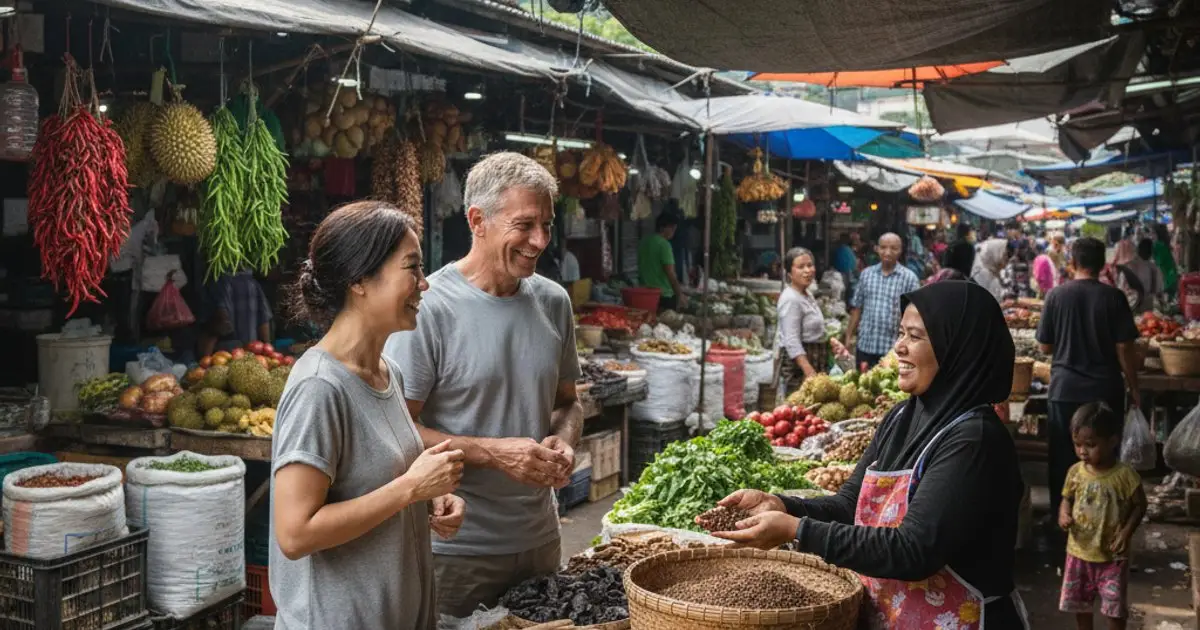
Malaysia is a multicultural tapestry, home to Malays, Chinese, Indians, and numerous indigenous groups, each with unique traditions and festivals. Participating in local events, joining community groups, or even exploring local markets provides invaluable opportunities for cultural immersion. A 2023 study by InterNations found that 70% of expats who reported high satisfaction with their life in Malaysia actively engaged in local cultural activities at least once a month. This active participation not only broadens one’s perspective but also helps in building a crucial support network, which can be challenging in a new country. Learning basic phrases in Bahasa Malaysia, such as ‘Terima kasih’ (thank you) or ‘Apa khabar?’ (how are you?), opens doors and shows respect, often leading to warmer interactions with locals.
Building a Local Support Network
Loneliness can be a significant challenge for expats. Proactively seeking out social groups, whether through expat forums, sports clubs, or volunteer organizations, is vital. Many MM2H participants find community within specific expat enclaves, such as those in Penang, Kuala Lumpur, or Johor Bahru. However, the most rewarding experiences often come from bridging these expat circles with local friendships. For example, joining a local hiking group or a cooking class can introduce you to Malaysians who share your interests. A 2024 survey by the Malaysian Expat Association indicated that expats with a balanced network of both local and international friends reported a 40% higher sense of belonging compared to those who primarily socialized within expat communities.
Adapting to Local Infrastructure and Services
While Malaysia boasts modern infrastructure in its major cities, daily life often involves adapting to local nuances in public transport, utilities, and digital services. Understanding these systems is key to a smooth long-term stay, preventing frustration and enhancing convenience.
Public transportation in Kuala Lumpur, for instance, is extensive with its LRT, MRT, and monorail systems, but it may not cover every residential area, necessitating reliance on ride-sharing apps like Grab or owning a car. Outside of major urban centers, public transport options diminish significantly. Utility services, including electricity (TNB), water, and internet, are generally reliable, but occasional outages can occur, particularly during heavy storms. A 2025 report by the Malaysian Communications and Multimedia Commission (MCMC) stated that internet penetration reached 98% of households, with average speeds in urban areas comparable to many developed nations, yet service reliability can vary by provider and location. Setting up accounts for these services typically requires a local address and sometimes a local bank account, which can be a bureaucratic process that demands patience.
Navigating Bureaucracy and Digital Services
Dealing with government agencies or service providers can sometimes be a test of patience, as processes may not always be as streamlined as in one’s home country. However, Malaysia is rapidly digitizing its services. Many banking operations, utility payments, and even some government applications can now be handled online. For example, the MySejahtera app, initially for health tracking, has expanded to include various public services. Understanding which services are available online and which require in-person visits can save considerable time and effort. It’s also worth noting that official communications are often in Bahasa Malaysia, so having a translation app or a local friend to assist can be invaluable.
MM2H Visa Renewal and Evolving Regulations: Staying Compliant
The MM2H Program, while designed for long-term stay, is subject to periodic policy reviews and changes, making proactive monitoring of regulations and timely renewal crucial for continued residency. The program has seen several iterations since its inception, and understanding the current requirements is paramount.
The most significant overhaul occurred in 2021, which introduced stricter financial criteria and an increased minimum stay requirement. For example, the offshore income requirement was raised from RM10,000 to RM40,000 per month, and the fixed deposit from RM150,000/RM300,000 to RM1 million. While these new rules primarily apply to new applicants, existing MM2H holders are also subject to certain updated conditions upon renewal, such as the minimum stay requirement of 90 days per year. The Ministry of Tourism, Arts, and Culture (MOTAC) is the primary authority, and their website is the official source for updates. However, changes are often announced with little lead time, making it advisable to subscribe to newsletters from reputable MM2H agents or expat associations.
The Renewal Process: What to Expect
Renewing your MM2H visa typically involves submitting updated financial documents, proof of medical insurance, and a medical report. The process can take several weeks to months, so it’s advisable to begin preparations at least six months before your current visa expires. Engaging a registered MM2H agent for renewal can streamline the process, as they are well-versed in the latest requirements and can navigate the bureaucracy more efficiently. A 2023 survey of MM2H agents indicated that renewals handled by agencies had an approval rate of over 95%, compared to a slightly lower rate for self-applications, often due to incomplete documentation or misunderstanding of requirements.
| Aspect | Initial MM2H Application (Pre-2021) | New MM2H Application (Post-2021) | MM2H Renewal (Existing Holders) |
|---|---|---|---|
| Fixed Deposit | RM150k (50-64) / RM300k (65+) | RM1 Million | Original terms apply, but check for updates |
| Offshore Income | RM10,000/month | RM40,000/month | Original terms apply, but check for updates |
| Liquid Assets | RM350k (50-64) / RM500k (65+) | RM1.5 Million | Not typically re-assessed for renewal |
| Minimum Stay | No specific requirement | 90 days/year (average over 10 years) | 90 days/year (average over 10 years) for all renewals |
| Medical Insurance | Required | Required | Required, updated annually |
Frequently Asked Questions
Can MM2H holders work in Malaysia?
Generally, MM2H holders are not permitted to work or be employed in Malaysia. However, those aged 50 and above may apply for part-time work in specific sectors, subject to approval from the Immigration Department, provided it does not take up a full-time position.
Do MM2H participants pay taxes in Malaysia?
MM2H participants who become tax residents (residing 182 days or more) are subject to Malaysian income tax on income derived from or received in Malaysia. Foreign-sourced income brought into Malaysia is currently exempt for individuals, but it’s crucial to consult a tax advisor for the latest regulations.
Can I bring my family under the MM2H Program?
Yes, MM2H applicants can bring their spouse and unmarried children under the age of 21 (or 34 if still studying and unmarried). Parents aged 60 and above can also be included as dependents, subject to certain conditions and additional financial requirements.
What happens if I don’t meet the minimum stay requirement for MM2H?
The current MM2H regulations require an average stay of 90 days per year over the 10-year period. Failure to meet this requirement could jeopardize your visa renewal. It’s important to monitor your travel dates and ensure compliance.
Is it easy to buy property in Malaysia as an MM2H holder?
Yes, MM2H holders are generally allowed to purchase residential property in Malaysia, subject to state land laws and minimum purchase price thresholds, which vary by state. These thresholds are typically higher for foreigners than for Malaysian citizens.
How does the cost of living in Malaysia compare to Western countries?
The cost of living in Malaysia is generally lower than in many Western countries, particularly for housing, food, and domestic services. However, imported goods, luxury items, and private international schooling can be comparable to or even higher than Western prices. A 2024 Mercer Cost of Living Survey ranked Kuala Lumpur significantly lower than major global cities.
What are the common challenges faced by long-term MM2H expats?
Common challenges include adapting to cultural differences, navigating bureaucracy, managing currency fluctuations, and occasionally dealing with language barriers outside major cities. Building a strong social network and staying informed about policy changes are key to overcoming these.
The Bigger Picture: A Rewarding Long-Term Experience
The MM2H Program offers a pathway to a vibrant and fulfilling long-term life in Malaysia, but it’s not a set-it-and-forget-it solution. The true value comes from engaging with the country, understanding its nuances, and proactively managing the practicalities of expat life. From healthcare to financial planning, and from cultural immersion to visa compliance, a realistic and informed approach transforms the MM2H dream into a sustainable reality. For those willing to embrace the journey, Malaysia offers a rich tapestry of experiences, a warm welcome, and a truly unique second home.
For a definitive guide to long-term living in Malaysia under the MM2H program, including details on the high hurdles and slow pace of application processing, and concerns over welfare gaps, consult our comprehensive resources.
Last updated: June 22, 2026
 English
  Chinese (Taiwan)
  Chinese (China)