
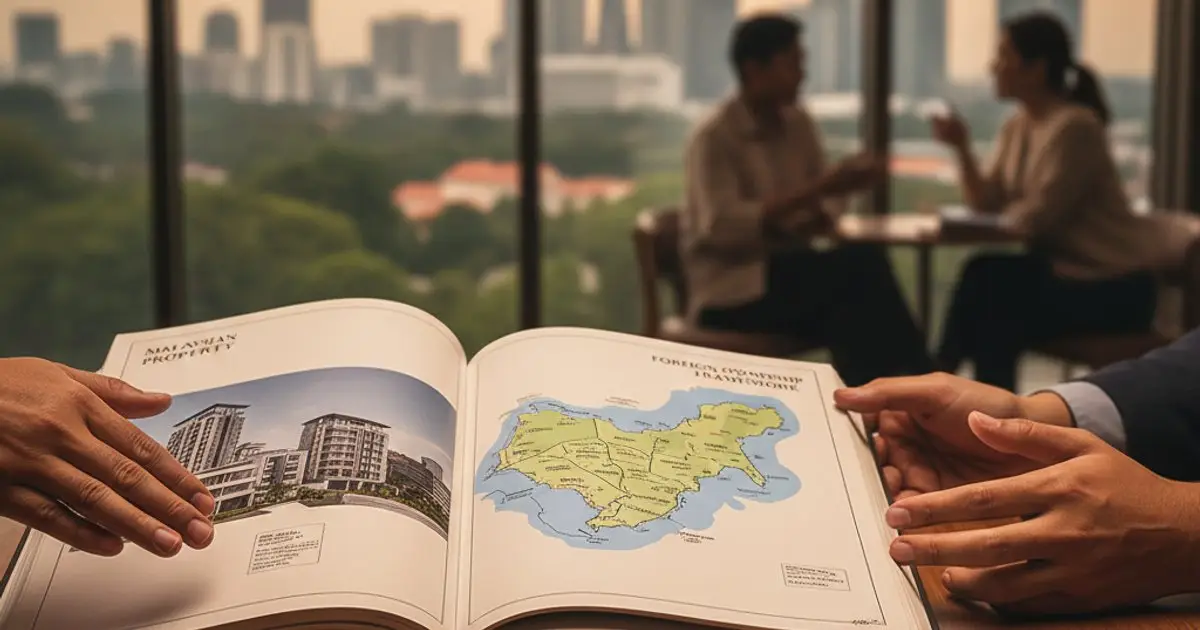
KUALA LUMPUR — Malaysia just dropped a significant piece of news for anyone eyeing its vibrant property market, especially those considering the Malaysia My Second Home (MM2H) program. As of July 12, 2026, the government has unveiled a new, more structured regulatory framework governing foreign property acquisition. This isn’t just bureaucratic reshuffling; it’s a deliberate move to stabilize the market, curb speculative buying, and, crucially, ensure housing remains affordable for local citizens. And for MM2H participants, both current and prospective, this changes the game.
For years, Malaysia has been a magnet for international retirees and investors, thanks in no small part to the MM2H program and a relatively open property market. But the landscape is shifting. The new framework, focusing on specific zones and property types, signals a more controlled approach to foreign investment. From what I’ve seen covering this sector for over a decade, this kind of policy adjustment often comes after periods of rapid growth and concerns about market overheating. It’s a balancing act, really: welcoming foreign capital without pricing out the locals. The real story here isn’t just the rules themselves, but what they mean for the long-term attractiveness of MM2H as a pathway to Malaysian residency and property ownership.
Key Takeaways
- Targeted Zones: Foreign property ownership will now be concentrated in designated economic zones and high-value commercial areas, limiting options in residential suburbs.
- Minimum Price Thresholds: Expect higher minimum purchase prices for foreign buyers, a measure aimed at deterring speculative, lower-end investments.
- MM2H Impact: While MM2H participants can still buy property, their choices will be more restricted, potentially shifting investment towards higher-value or designated properties.
- Long-Term Stability: The government’s goal is market stability and local affordability, which could benefit long-term investors by reducing volatility.
- Due Diligence is Key: Prospective buyers, especially MM2H applicants, must conduct thorough due diligence on permitted areas and property types.
What Does the New Framework Entail for Foreign Buyers?
The new framework for foreign property ownership in Malaysia primarily introduces stricter geographical and value-based restrictions. Foreigners will now find their property acquisition options concentrated in designated economic zones and specific high-value commercial or residential developments, rather than having free rein across the entire market.
This isn’t a blanket ban, not by any stretch. But it’s a clear signal. The government, through the Ministry of Housing and Local Government, has outlined specific areas, often urban centers or special economic corridors, where foreign ownership is encouraged. Outside these zones, restrictions will be significantly tighter, potentially even prohibitive for certain property types. This strategy aims to direct foreign investment into areas where it can best contribute to economic development without directly competing with local demand for affordable housing. It’s a nuanced approach, and honestly, a smart one if executed well. The goal, as stated by Minister Nga Kor Ming recently, is to prevent foreign capital from distorting local housing prices, particularly in the entry-level and mid-range segments.
Higher Minimum Purchase Prices
Another significant change is the adjustment of minimum purchase price thresholds for foreign buyers. While the exact figures are still being finalized for some states as of July 12, 2026, the general direction is upwards. This means that foreign individuals will need to invest in higher-value properties to qualify for ownership. For example, states like Selangor and Penang have historically had varying thresholds, but the new national guideline aims for a more consistent, albeit higher, baseline.
This move is designed to filter out smaller, potentially speculative investments and ensure that foreign capital is directed towards premium properties. In my experience, these kinds of thresholds often get reviewed every few years, but this current adjustment feels more structural. It’s about quality of investment, not just quantity. According to data from the National Property Information Centre (NAPIC) 2025 report, foreign transactions accounted for approximately 3.5% of total property transactions by value in 2024, a figure the government clearly wants to manage more strategically.
How Does This Impact MM2H Applicants and Participants?
For individuals enrolled in or applying for the MM2H program, these new property regulations introduce both challenges and opportunities. While the ability to purchase property remains a key draw of the MM2H program, the choices available will be more defined.
MM2H participants will still be permitted to acquire property, but their options will largely fall within the newly designated zones and higher price brackets. This means that the dream of a quaint, affordable suburban home might be harder to realize, pushing MM2H buyers towards more upscale condominiums in city centers or properties within special economic zones like Iskandar Malaysia. This isn’t necessarily a bad thing, depending on your investment strategy. Properties in these designated zones often come with better infrastructure, amenities, and potentially higher appreciation rates.
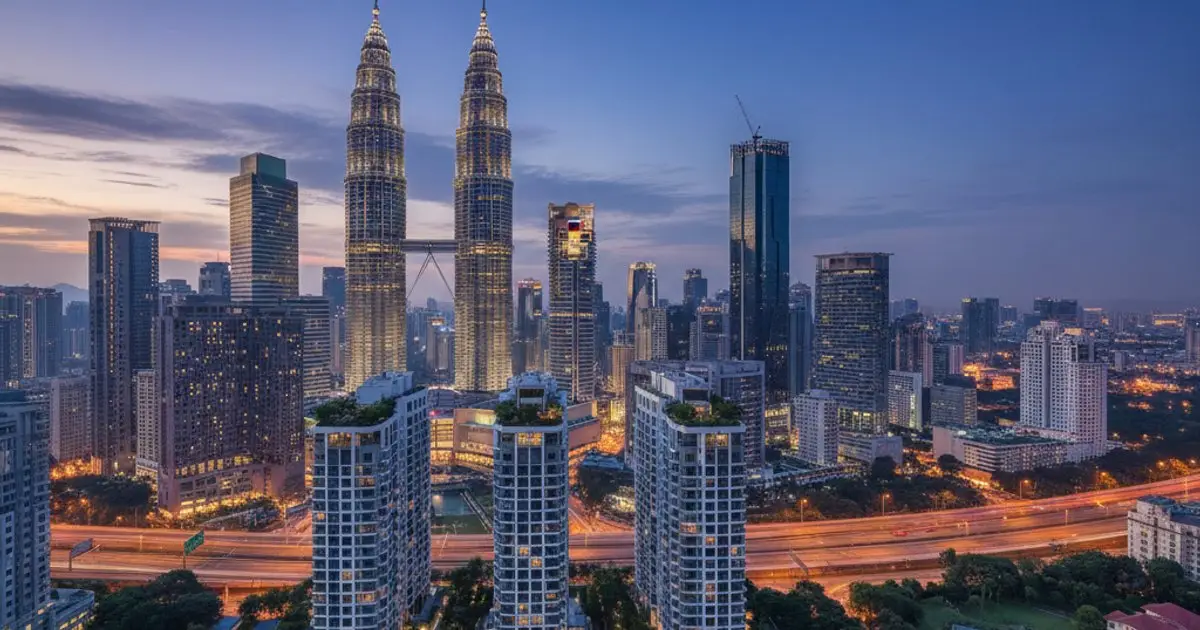
What strikes me about this is the clear message: Malaysia wants long-term, value-added residents and investors, not just transient buyers. The MM2H program, which itself underwent significant revisions in 2021 to attract higher-net-worth individuals, now aligns even more closely with this property policy. The synergy is undeniable. MM2H Global, a leading consultancy for the program, has been advising clients to recalibrate their property search strategies to align with these evolving guidelines, emphasizing the importance of understanding local zoning laws and minimum price requirements.
Shifting Investment Strategies for MM2H Holders
The new framework necessitates a shift in investment strategy for MM2H holders. Instead of broad searches, focus will need to narrow to specific, approved developments. This might mean exploring properties in Kuala Lumpur’s Golden Triangle, Penang’s Gurney Drive, or the burgeoning areas within Johor Bahru’s Iskandar region. These are typically areas already popular with expatriates and often feature properties that meet the higher minimum price thresholds.
The honest answer is that nobody knows for certain yet how property values will react in the long run, but the evidence suggests a potential stabilization. By reducing speculative demand, the market could become more predictable, which is good news for long-term investors. I’ve seen similar policies in other Southeast Asian nations lead to a more mature and less volatile property market over time. It’s not about stifling growth, but about managing it sustainably.
| Feature | Old Foreign Property Rules (Pre-July 2026) | New Foreign Property Rules (Post-July 2026) |
|---|---|---|
| Geographical Scope | Generally wider, with state-level variations. | Restricted to designated economic zones and high-value commercial/residential areas. |
| Minimum Price Threshold | Varies significantly by state (e.g., RM 500,000 to RM 1 million). | Generally higher national baseline, with specific state adjustments, aiming for consistency. |
| Property Types | Broader range, including some landed properties (subject to state rules). | Focus on high-rise residential, commercial, and designated developments. |
| MM2H Impact | Relatively open property market for MM2H participants. | MM2H participants’ choices are more restricted to designated zones and higher value. |
| Government Intent | Encourage foreign investment broadly. | Stabilize market, ensure local affordability, direct high-value investment. |
What Are the Implications for Property Values and Investment?
The implications for property values and investment are multi-faceted. On one hand, the restrictions on foreign ownership in certain segments could reduce overall demand, potentially tempering price growth in those areas. On the other hand, properties within the designated zones, where foreign investment is channeled, might see sustained or even increased demand, leading to stable appreciation.
This is where it gets tricky. The market isn’t a monolith. Prime properties in established expatriate hubs are likely to remain resilient. In fact, by concentrating demand, these areas might even become more attractive to serious foreign investors in Malaysian property. The 2025 Property Market Report by Knight Frank Malaysia indicated a 4% year-on-year increase in prime residential property values in Kuala Lumpur, a trend that these new policies might further solidify in the designated zones. What most people miss is that a more regulated market often means less boom-and-bust, which is ultimately healthier for long-term capital preservation.
Ensuring Housing Affordability for Locals
The primary driver behind these changes, beyond economic stabilization, is undoubtedly housing affordability for Malaysians. The government has been under increasing pressure to address concerns that foreign buying, particularly in popular urban centers, was pushing up prices beyond the reach of the average local. This is a common challenge in many growing economies, and Malaysia is tackling it head-on.
By steering foreign investment away from mass-market residential properties, the government hopes to create a more equitable housing market. This is a political imperative as much as an economic one. It’s about social contract. And frankly, it’s a responsible move. A stable social environment is just as important for long-term investment as economic policy. I’ve seen firsthand how social unrest over housing can derail even the most promising markets.
What Should Prospective MM2H Property Buyers Do Now?
Prospective MM2H property buyers should immediately engage with reputable property agents and legal counsel specializing in foreign ownership in Malaysia. Understanding the precise geographical limitations and minimum price thresholds in their preferred states is paramount.
Don’t just rely on old information. The rules have changed, and they will continue to evolve. Your first step should be to get up-to-date, localized advice. Look — the market is still attractive, but it requires more targeted research now. Consider properties that align with the new framework, focusing on high-growth areas or developments specifically catering to international buyers. And always, always, ensure your MM2H application is robust and meets all current requirements, as property ownership is often intertwined with the program’s benefits.

The changes, while significant, don’t diminish Malaysia’s appeal as a second home destination. Instead, they refine it. They signal a more mature, regulated market that prioritizes sustainable growth and local welfare alongside foreign investment. For those serious about making Malaysia their second home, this framework simply means doing your homework a little more thoroughly. It’s a journey, not a sprint, and MM2H Global is here to guide you through every step of that journey, ensuring you navigate these new waters with confidence.
Frequently Asked Questions
Can MM2H participants still buy property in Malaysia?
Yes, MM2H participants can still purchase property in Malaysia. However, the new framework introduces restrictions on where and what type of properties can be acquired, primarily focusing on designated zones and higher minimum price thresholds.
Are there specific areas where foreigners can no longer buy property?
While not an outright ban, foreign ownership is now largely restricted from general residential areas outside of designated economic zones and high-value commercial/residential developments. Specific state regulations will detail these restricted zones.
Has the minimum property purchase price for foreigners increased?
Yes, the Malaysian government is implementing higher minimum property purchase price thresholds for foreign buyers. These new national guidelines aim for a more consistent and elevated baseline, though state-specific variations may still apply.
How do these changes affect existing MM2H property owners?
The new framework primarily impacts new acquisitions. Existing MM2H property owners are generally not affected by these changes, as the regulations are forward-looking. However, future sales or purchases would fall under the new rules.
Will these new rules make MM2H less attractive?
Not necessarily. While options might be more restricted, the changes aim for market stability, which can benefit long-term investors. MM2H remains attractive for its lifestyle benefits, and property ownership is still a key component, albeit with a more focused approach.
Where can I find the most current information on foreign property ownership rules?
For the most current and detailed information, you should consult official government websites, such as the Ministry of Housing and Local Government (KPKT) or the relevant state land offices, and seek advice from legal and property professionals specializing in foreign ownership in Malaysia. Requirements are subject to change, so always verify.
What role does MM2H Global play in these new regulations?
MM2H Global, a leading consultancy, assists MM2H applicants and participants in understanding and navigating these new property regulations. We provide expert guidance on eligible property types, designated zones, and the overall process to ensure compliance and informed investment decisions.
For a definitive guide to long-term living in Malaysia and the impact on housing and infrastructure, consult our comprehensive resources.
Last updated: July 12, 2026
 English
  Chinese (Taiwan)
  Chinese (China)