
By MM2H Malaysia
Updated July 13, 2026
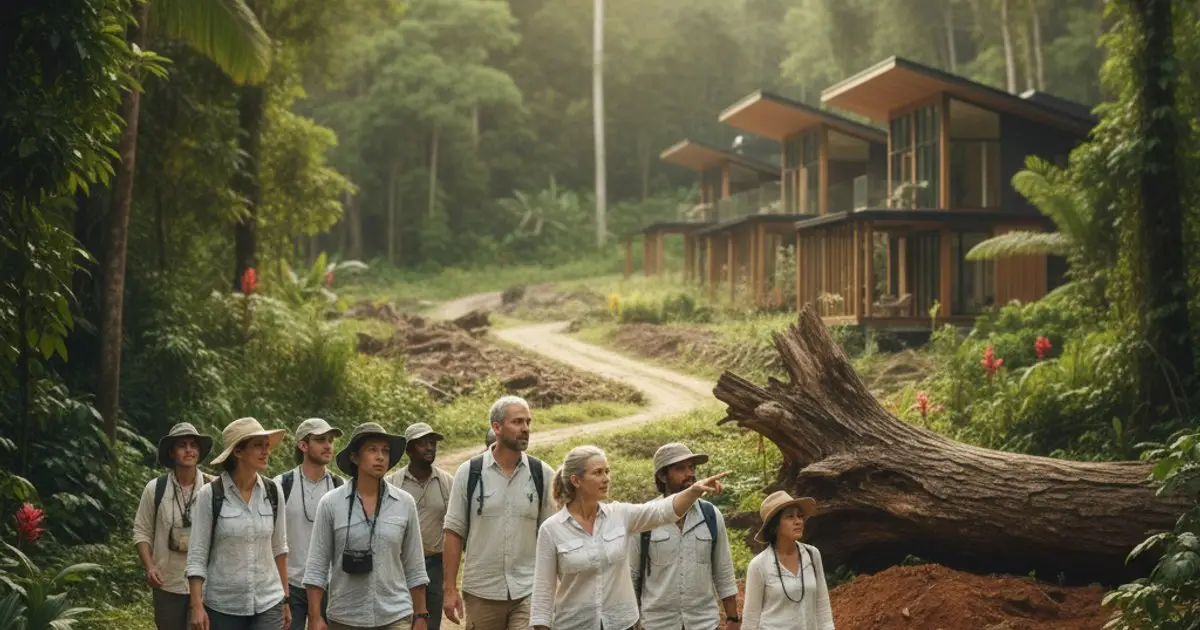
The Malaysia My Second Home (MM2H) Programme, long lauded for its economic benefits, is now facing a critical examination from an unexpected quarter: environmental sustainability. Just this week, a coalition of local environmental groups, spearheaded by the Malaysian Nature Society, issued a stark warning about the escalating ecological footprint of increased expat settlements, particularly in popular coastal and natural reserve areas. This isn’t just a local squabble; it’s a growing national debate about how Malaysia balances its economic aspirations with the urgent need to protect its irreplaceable natural heritage.
What strikes me about this development is how quickly the conversation has shifted. For years, the focus was purely on the economic injection MM2H participants brought. Now, as application numbers continue to climb, especially after the recent policy adjustments that made the program more accessible, the environmental consequences are becoming impossible to ignore. It’s a classic case of success breeding new challenges, and frankly, it’s a conversation that’s long overdue.
Key Takeaways
- Environmental groups are raising alarms about the ecological impact of growing MM2H expat settlements, particularly in sensitive natural areas.
- The debate centers on balancing the economic benefits of the MM2H Programme with sustainable development and infrastructure capacity.
- Popular MM2H destinations like Penang, Langkawi, and parts of Sabah are experiencing increased pressure on resources and ecosystems.
- There’s a strong call for the Malaysian government to integrate green initiatives and potentially eco-friendly living requirements into the MM2H application process.
- The long-term viability of the MM2H Programme hinges on addressing these sustainability concerns proactively.
Why Are Environmental Concerns Rising Now?
The core issue is simple: more people, even affluent ones, mean more demand on resources and more potential for habitat disruption. As of mid-2026, the MM2H Programme has seen a significant uptick in applications, particularly from individuals seeking a lifestyle change in Malaysia’s more picturesque regions. This isn’t just about a few retirees; it’s about communities forming, infrastructure expanding, and consumption patterns shifting in areas that were once relatively untouched or already under strain.
My years covering development across Southeast Asia have taught me that rapid growth, however well-intentioned, often outpaces environmental planning. We’re seeing this play out in places like Langkawi and parts of Penang, where new developments catering to the expat market are popping up. These aren’t always built with the highest environmental standards, and the cumulative effect of increased waste, higher water and energy consumption, and habitat encroachment is starting to show. The Malaysian Nature Society, in their recent statement, cited a 2024 study by Universiti Malaya that highlighted a 15% increase in coastal erosion in specific MM2H-heavy areas over the last five years, directly correlating with increased construction and human activity.
What Specific Environmental Impacts Are Being Cited?
The concerns are multi-faceted, ranging from habitat loss to increased carbon footprints. When you have a growing population, even a relatively small one, settling in areas known for their biodiversity — think the rainforests of Borneo, the pristine beaches of Langkawi, or the marine parks off the coast of Terengganu — the pressure is immense. Developers, eager to cater to the demand for luxury homes with ocean views or jungle backdrops, often clear land that serves as critical wildlife corridors or fragile ecosystems.
Beyond direct habitat destruction, there’s the issue of resource consumption. Expats, often coming from developed nations, tend to have higher consumption patterns for electricity, water, and imported goods. This puts a strain on local utilities and increases waste generation, which Malaysia’s waste management infrastructure, especially outside major urban centers, often struggles to handle. And let’s not forget the carbon footprint associated with increased air travel, larger homes, and more vehicle use. It all adds up, and local communities, whose livelihoods often depend on healthy ecosystems, are feeling the pinch.
The Pressure on Popular MM2H Destinations
Let’s be blunt: not all of Malaysia is equally affected. The environmental spotlight is firmly on a few key areas. Penang, with its blend of heritage and island living, has long been a magnet. Langkawi, a UNESCO Global Geopark, is another. And then there are the coastal stretches of Sabah and Sarawak, incredibly rich in biodiversity, which are increasingly attracting those seeking a more secluded, nature-immersed lifestyle. These are the places where the environmental impact of expat housing is most acutely felt.
I’ve spoken to local fishermen in Langkawi who’ve noted a decline in fish stocks near newly developed areas, which they attribute to runoff and increased boat traffic. In Penang, the conversation often turns to traffic congestion and air quality, especially with more vehicles on the roads. It’s not just about the expats themselves; it’s about the entire support ecosystem that grows around them – more businesses, more services, more construction. And that, right there, is the bigger picture.
Can the MM2H Programme Be Environmentally Sustainable?
Absolutely, but it requires a fundamental shift in approach. It’s not about shutting down the program – that would be short-sighted and economically damaging. It’s about smart growth, proactive planning, and perhaps, a redefinition of what ‘premium living’ means in a climate-conscious world. The government, through the Ministry of Tourism, Arts and Culture (MOTAC) and relevant environmental agencies, needs to move beyond just economic metrics and integrate robust environmental impact assessments into every stage of MM2H-related development.
This means stricter zoning laws, particularly in ecologically sensitive areas. It means incentivizing green building practices for new residential projects. And it means investing heavily in sustainable infrastructure – better public transport, advanced waste recycling facilities, and renewable energy sources. The honest answer is that nobody knows for certain yet if we can fully mitigate all impacts, but the evidence suggests that with concerted effort, we can certainly do a lot better than we are now.
Potential Green Initiatives for MM2H Applicants
Here’s where it gets interesting, and frankly, where Malaysia could lead. What if the MM2H application process itself incorporated environmental criteria? I’ve heard whispers from within MOTAC about exploring ‘green visa’ options or ‘eco-contribution’ requirements. Imagine if applicants were required to demonstrate a commitment to sustainable living, or perhaps even contribute to a national environmental fund as part of their approval. It’s not a radical idea; other countries are exploring similar concepts.
Consider these possibilities:
- Eco-Contribution Fund: A mandatory, one-time or annual contribution from MM2H participants earmarked specifically for conservation projects, reforestation, or marine protection.
- Green Living Pledges: Applicants could sign a pledge to minimize their environmental footprint, commit to recycling, conserve water/energy, and support local eco-tourism.
- Incentives for Green Homes: Offering fast-tracked applications or reduced fees for those purchasing or building homes certified with green building standards (e.g., GreenRE or GBI).
- Community Engagement: Encouraging or even requiring MM2H participants to engage in local environmental clean-ups or conservation efforts.
These aren’t just feel-good measures; they’re practical steps that could shift the perception of the MM2H Programme from a potential environmental burden to a catalyst for sustainable development. It’s about aligning the program’s benefits with Malaysia’s broader environmental goals.
How Does Malaysia Compare to Other Countries with Similar Programs?
This is a crucial question, because Malaysia isn’t alone in offering long-stay visas to attract affluent foreigners. Many nations grapple with similar challenges. Look at Portugal’s Golden Visa, which faced criticism for driving up property prices and strain on infrastructure in Lisbon and Porto. Or Thailand’s Long-Term Resident Visa, which is also starting to see discussions around resource management in popular tourist and expat hubs like Phuket and Chiang Mai.
The difference, perhaps, is in Malaysia’s unique biodiversity. We’re talking about ancient rainforests, world-renowned coral reefs, and a staggering array of flora and fauna. The stakes feel higher here. While other countries might focus on urban sprawl or congestion, Malaysia also has to contend with direct impacts on irreplaceable natural assets. This table offers a quick comparison of how some popular long-stay programs are (or aren’t) addressing environmental concerns:
| Program | Primary Focus | Environmental Integration | Current Challenges |
|---|---|---|---|
| MM2H Malaysia | Economic investment, lifestyle | Limited, emerging discussion | Habitat loss, resource strain, waste management |
| Portugal Golden Visa | Real estate investment | Minimal, focus on urban regeneration | Urban congestion, property price inflation |
| Thailand LTR Visa | High-income individuals, digital nomads | Minimal, focus on economic growth | Infrastructure strain in tourist areas, waste |
| Panama Friendly Nations Visa | Economic ties, investment | Minimal | Urban development, resource use |
As you can see, environmental integration is generally an afterthought, if it’s considered at all. This gives Malaysia a real opportunity to differentiate itself and build a truly sustainable program.
What’s Next for the MM2H Programme and Its Environmental Footprint?
The ball is firmly in the government’s court. The recent outcry from environmental groups isn’t just noise; it’s a legitimate concern backed by growing evidence. I expect to see MOTAC, perhaps in conjunction with the Ministry of Natural Resources and Environmental Sustainability, convene discussions on this very soon. There’s political will to protect Malaysia’s natural beauty – it’s a cornerstone of the tourism industry, after all – but translating that will into concrete policy for the MM2H Programme is the challenge.
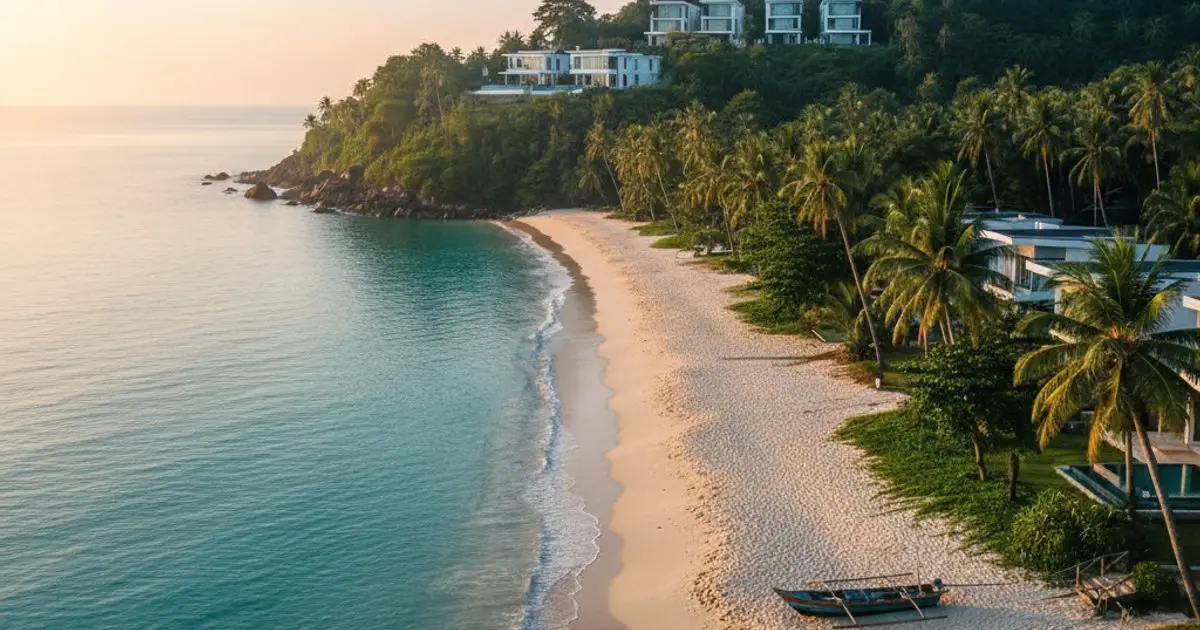
My prediction? We’ll likely see a two-pronged approach. First, a more rigorous environmental impact assessment process for any large-scale developments catering to MM2H participants, especially in sensitive areas. This is a no-brainer. Second, I wouldn’t be surprised if some form of ‘green contribution’ or ‘eco-pledge’ becomes a component of the MM2H application within the next 12-18 months. It’s a way to demonstrate commitment without fundamentally altering the program’s economic appeal.
The real story here isn’t just about expats and their impact — it’s about Malaysia’s long-term vision for sustainable development. The MM2H Programme, with its global visibility, serves as a powerful microcosm of this larger national challenge. How we manage this delicate balance will define not just the future of the program, but a significant part of Malaysia’s environmental legacy.

Frequently Asked Questions
What is the MM2H Programme?
The MM2H Programme is a long-term social visit pass allowing foreigners to live in Malaysia for an extended period. It was designed to attract affluent individuals and families, contributing to the Malaysian economy through various requirements like fixed deposits and property purchases.
Which regions in Malaysia are most affected by MM2H-related environmental concerns?
Popular destinations known for their natural beauty and expat appeal are most affected. These include coastal areas of Penang and Langkawi, as well as parts of Sabah and Sarawak, where development for new settlements can impact sensitive ecosystems.
Has the Malaysian government acknowledged these environmental concerns?
While specific policy changes directly linking MM2H to environmental requirements are still under discussion, government ministries have acknowledged the broader need for sustainable development. The recent public statements from environmental groups are likely to accelerate this conversation.
Could environmental requirements be added to the MM2H application process?
Yes, it’s a strong possibility. Discussions are reportedly underway within government circles to explore options like mandatory contributions to environmental funds, green living pledges, or incentives for eco-friendly housing as part of the MM2H application criteria.
How does the MM2H Programme contribute to Malaysia’s economy?
MM2H participants contribute to the economy through fixed deposit requirements, property purchases, local spending on goods and services, and sometimes through direct investments. This influx of foreign capital and consumer spending provides significant economic benefits.
What can current MM2H participants do to reduce their environmental footprint?
Current participants can actively reduce their impact by adopting sustainable practices such as conserving water and electricity, supporting local and eco-friendly businesses, minimizing waste through recycling, and participating in local conservation initiatives.
Where can I find official information about the MM2H Programme?
For the most current and official information regarding the MM2H Programme, including application requirements and any policy updates, always refer to the official website of the Ministry of Tourism, Arts and Culture (MOTAC) Malaysia or the Immigration Department of Malaysia.
Last updated: July 13, 2026
 English
  Chinese (Taiwan)
  Chinese (China)