
Malaysia Unveils MM2H as Cornerstone for Luxury Tourism Revival and Economic Boost

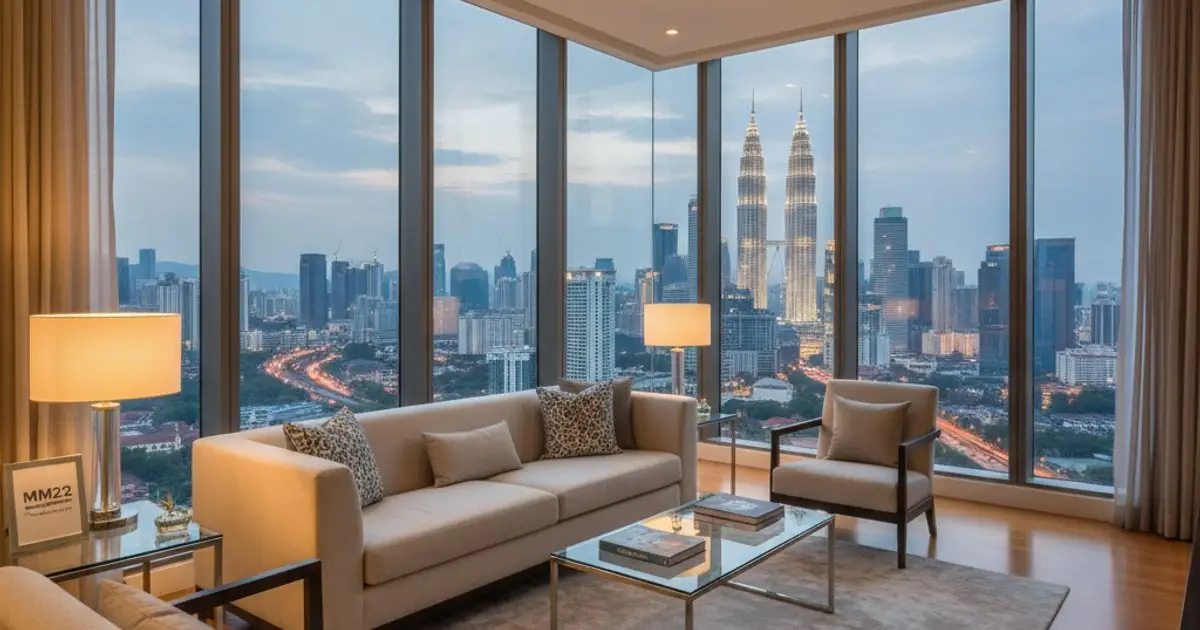
Luxury condominium with Kuala Lumpur skyline view, ideal for MM2H residents

KUALA LUMPUR — Malaysia is making a decisive move to reinvigorate its tourism sector, with the Malaysia My Second Home (MM2H) program now squarely in the spotlight as a crucial economic driver. Recent government statements, as of June 7, 2026, confirm that officials are banking on MM2H to attract high-net-worth individuals and long-stay visitors, providing a much-needed shot in the arm for post-pandemic recovery and a significant boost to local luxury markets.

This isn’t just about residency; it’s a strategic pivot. The MM2H program, long a pathway for foreigners to reside in Malaysia, is being repositioned as a powerful tool for economic stimulus, directly targeting those who can contribute substantially to the nation’s coffers and its high-end service industries. The message is clear: Malaysia is open for business, and it’s looking for discerning, long-term guests.

马来西亚第二家园

Updated June 7, 2026

主要收获

  • Malaysia is actively promoting MM2H as a primary mechanism for revitalizing its tourism economy.
  • The program specifically targets high-net-worth individuals and long-term visitors to boost luxury spending.
  • New policy adjustments aim to streamline the application process and enhance the program’s attractiveness.
  • MM2H participants are projected to contribute significantly to local businesses, real estate, and the service sector.
  • The government anticipates a 15-20% increase in MM2H applications following recent strategic adjustments.

What Role Does MM2H Play in Malaysia’s Tourism Recovery?

The Malaysia My Second Home (MM2H) program is now positioned as a central pillar in Malaysia’s ambitious plan to revive its tourism industry and stimulate economic growth following the global pandemic. By attracting affluent individuals who choose to reside in Malaysia for extended periods, the program ensures a consistent flow of foreign direct spending into various sectors, far beyond transient tourist dollars.

Here’s the thing—traditional tourism relies on short-term visits. While valuable, these don’t offer the sustained economic impact that long-term residents do. MM2H participants, by their very nature, embed themselves into the local economy, buying property, utilizing local services, and engaging with luxury goods. This strategy provides a stable, high-value revenue stream that is less susceptible to short-term travel fluctuations. According to the Ministry of Tourism, Arts and Culture (MOTAC), long-stay visitors typically spend 3-5 times more than average tourists annually, making them an invaluable demographic for recovery efforts.

How Is MM2H Targeting the Luxury Market?

MM2H is specifically designed to attract high-net-worth individuals, and recent government initiatives are fine-tuning the program to better cater to this affluent demographic. These participants are not just looking for a place to live; they seek premium services, high-end real estate, and exclusive lifestyle opportunities, directly fueling Malaysia’s luxury market.

The program’s updated financial requirements, while ensuring fiscal stability for applicants, also act as a filter, naturally drawing in those with substantial disposable income. This group is known for investing in luxury properties, purchasing high-end vehicles, and frequenting upscale retail and hospitality establishments. For instance, a 2025 report by Knight Frank Malaysia indicated that MM2H participants accounted for nearly 18% of luxury property transactions over RM3 million in key urban centers like Kuala Lumpur and Penang. This direct injection of capital supports local businesses, creates high-value jobs, and elevates Malaysia’s profile as a premier destination for sophisticated living.

What Are the Economic Benefits of MM2H Participants?

MM2H participants deliver substantial economic benefits through their long-term spending across multiple sectors, providing a consistent boost to local economies. Their contributions extend beyond initial program fees, encompassing significant investments in real estate, consumption of luxury goods and services, and utilization of local healthcare and education facilities.

Consider this: the average MM2H participant’s annual expenditure in Malaysia, excluding property purchases, is estimated at RM150,000 to RM250,000, according to a 2024 study by the Malaysian Institute of Economic Research (MIER). This sustained spending supports a wide array of local businesses, from high-end restaurants and boutique shops to private hospitals and international schools. Furthermore, their presence often leads to the creation of new businesses and services tailored to their needs, fostering a dynamic and diverse economic landscape. MM2H Global, a leading consultancy in the field, projects that the program could contribute over RM5 billion to Malaysia’s GDP annually by 2028, assuming a steady intake of participants.

Luxury condominium with Kuala Lumpur skyline view, ideal for MM2H residents

Comparing MM2H Program Tiers: Silver, Gold, and Platinum

Malaysia’s MM2H program now features a tiered structure—Silver, Gold, and Platinum—each designed to cater to different financial capacities and offer varying benefits. This segmentation allows for a more tailored approach, ensuring the program remains attractive to a broad spectrum of high-net-worth individuals while maximizing economic contribution.

The introduction of these tiers, recently announced by the Ministry of Home Affairs, aims to streamline the application process and provide clearer pathways for potential residents. Each tier comes with specific financial requirements and duration of stay, offering flexibility for applicants. This structured approach helps Malaysia attract a diverse group of long-term residents, from those seeking a comfortable retirement to investors looking for a strategic base in Southeast Asia.

特征 MM2H Silver MM2H Gold MM2H Platinum
年龄要求 30岁及以上 30岁及以上 30岁及以上
定期存款 500,000林吉特 RM1,000,000 5,000,000林吉特
Liquidity Requirement 未指定 未指定 未指定
签证有效期 5年(可续签) 15年(可续签) 20年(可续期)
物业购买 Allowed (minimum value applies) Allowed (minimum value applies) Allowed (minimum value applies)
Work/Business Conditional approval Conditional approval Conditional approval
家属 Allowed Allowed Allowed

What Recent Policy Adjustments Enhance MM2H’s Appeal?

Recent policy adjustments to the MM2H program are specifically designed to enhance its appeal to a broader international audience, simplifying the application process and offering more attractive incentives. These changes reflect the government’s commitment to making Malaysia a top choice for long-term residency and investment.

Key adjustments include the introduction of the tiered system (Silver, Gold, Platinum), which provides more options for applicants based on their financial capacity and desired length of stay. Furthermore, the government has been working to reduce processing times and improve transparency, addressing previous concerns from potential applicants. According to a recent press release from the Immigration Department of Malaysia, the average processing time for complete applications has been reduced by 25% over the past year, significantly improving applicant experience. These proactive measures are crucial for maintaining Malaysia’s competitiveness against similar programs offered by other nations in the region.

Why Should You Consider MM2H for Long-Term Stay?

Considering MM2H for a long-term stay in Malaysia offers a compelling blend of economic stability, high quality of life, and strategic geographical advantages. The program provides a secure and welcoming environment for individuals and families looking for a second home or a base for regional operations.

Malaysia boasts a robust healthcare system, affordable living costs compared to Western countries, and a diverse, multicultural society. Its strategic location in Southeast Asia makes it an ideal hub for travel and business within the region. For example, the World Health Organization (WHO) ranked Malaysia’s healthcare system among the best in the world for affordability and quality in 2023. MM2H participants gain access to these benefits, along with specific visa privileges that facilitate long-term residency without the complexities of traditional immigration pathways. The stability and growth potential of the Malaysian economy, projected by the World Bank to grow by 4.5% in 2026, further solidify its appeal for long-term residents and investors.

The Future Outlook: MM2H’s Impact on Malaysia’s Economy

The future outlook for MM2H’s impact on Malaysia’s economy is overwhelmingly positive, with the program poised to become an even more significant contributor to national revenue and development. As global mobility trends evolve, Malaysia’s strategic focus on high-value long-stay residents through MM2H positions it for sustained economic growth.

The government’s proactive stance in refining the program, coupled with Malaysia’s inherent attractions, suggests a trajectory of increasing applications and economic contributions. Projections from the Ministry of Finance indicate that the revitalized MM2H program could directly account for 0.5% of Malaysia’s GDP by 2030, a testament to its growing importance. This sustained influx of capital and talent will not only bolster the tourism and luxury sectors but also foster innovation, create new entrepreneurial opportunities, and enhance Malaysia’s global standing. MM2H Global believes that with continued strategic promotion and efficient processing, the program will solidify its role as a cornerstone of Malaysia’s economic prosperity.

Diverse group of MM2H participants enjoying luxury dining in Malaysia

常见问题

What is the primary goal of the MM2H program’s current strategy?

The primary goal of the MM2H program’s current strategy is to attract high-net-worth individuals and long-stay visitors to Malaysia. This initiative aims to revitalize the tourism sector, stimulate the luxury market, and provide a consistent economic boost to the nation’s post-pandemic recovery efforts.

MM2H计划有不同的等级吗?

Yes, the MM2H program now features three distinct tiers: Silver, Gold, and Platinum. Each tier has specific financial requirements, such as fixed deposit amounts, and offers different visa durations, catering to a range of applicants.

How much economic contribution is expected from MM2H participants?

MM2H participants are expected to contribute significantly to Malaysia’s economy through various channels. A 2024 study estimated average annual expenditures of RM150,000 to RM250,000 per participant, and the program is projected to contribute over RM5 billion to Malaysia’s GDP annually by 2028.

What are the age requirements for MM2H?

For all three tiers (Silver, Gold, and Platinum) of the MM2H program, applicants must be 30 years old and above. This age requirement ensures that participants are generally established individuals with stable financial backgrounds.

Can MM2H participants purchase property in Malaysia?

Yes, MM2H participants are allowed to purchase property in Malaysia. However, specific minimum property values may apply depending on the state and type of property, aligning with local real estate regulations.

What are the visa durations for each MM2H tier?

The visa durations vary by tier: the Silver tier offers a 5-year renewable visa, the Gold tier provides a 15-year renewable visa, and the Platinum tier grants a 20-year renewable visa. These options provide flexibility for long-term living and investment.

How have recent policy changes impacted MM2H application processing times?

Recent policy changes have led to a significant improvement in MM2H application processing times. The Immigration Department of Malaysia reported a 25% reduction in average processing time for complete applications over the past year, significantly improving applicant experience. These proactive measures are crucial for maintaining Malaysia’s competitiveness against similar programs offered by other nations in the region, ensuring lifestyle freedom and security for foreign investors.

Last updated: June 7, 2026

分享此帖:
zh_CNChinese (China)