

由马来西亚第二家园计划 (MM2H)
更新於 2026 年 6 月 6 日
A fresh wave of environmental concerns is washing over Malaysia’s popular ‘Malaysia My Second Home’ (MM2H) program, as local community leaders and environmental groups raise red flags about its ecological footprint. This isn’t just about economic benefits anymore; it’s about the very ground beneath our feet, and how an influx of foreign residents might reshape Malaysia’s delicate ecosystems and resource demands.
The discussions, which have gained traction this week, point to increased pressure on natural resources, potential infrastructure creep into sensitive areas, and mounting waste management challenges. As of June 6, 2026, these issues are no longer whispers but urgent calls for proactive policy consideration, pushing the MM2H program into a new, critical spotlight.
重點摘要
- Environmental groups and local leaders are scrutinizing the MM2H program’s ecological impact.
- Concerns include increased resource consumption, infrastructure development in sensitive areas, and waste management.
- Malaysia’s government is facing pressure to integrate sustainability into MM2H policy.
- The program’s economic benefits are being weighed against potential long-term environmental costs.
- New policy adjustments may focus on green initiatives and sustainable living for MM2H participants.
為何 MM2H 的環境影響突然成為熱門話題?
The environmental impact of Malaysia’s MM2H program has become a hot topic because a growing participant base is perceived to be exerting increased pressure on the nation’s natural resources and infrastructure, prompting urgent calls from environmental groups and local communities for policy review. This shift in focus moves beyond the traditional economic benefits to address the long-term ecological sustainability of the program.
For years, the MM2H program, which grants long-term residency to eligible foreigners, has been lauded primarily for its economic contributions. It injects foreign capital, stimulates the property market, and boosts local tourism. However, as Malaysia continues its rapid development, and with the MM2H program attracting a steady stream of applicants—over 50,000 approvals since its inception, according to the Ministry of Tourism, Arts and Culture (MOTAC) data from 2023—the sheer volume of new residents is starting to draw scrutiny. The conversation is shifting from ‘how much money do they bring?’ to ‘what resources do they consume, and what impact do they leave behind?’
What Are the Core Environmental Concerns Raised by Critics?
Critics are primarily concerned with three major areas: escalating resource consumption, the encroachment of infrastructure development into ecologically sensitive zones, and the exacerbation of existing waste management challenges. These issues collectively threaten Malaysia’s biodiversity and environmental health, particularly in popular MM2H destinations.
Let’s break down these critical points:
Increased Demand for Resources
An expanding population, including MM2H participants, inevitably leads to higher demand for essential resources like fresh water, electricity, and food. A 2024 report by the Malaysian Department of Environment indicated that per capita water consumption in urban areas, where many MM2H residents settle, is already 210 liters per day, significantly higher than the UN’s recommended 165 liters. This increased demand strains existing infrastructure and can lead to water scarcity in certain regions, especially during dry seasons.
Furthermore, the energy footprint also grows. New residential developments, often favored by MM2H applicants, require substantial electricity, much of which in Malaysia still comes from fossil fuels. This contributes to greenhouse gas emissions, undermining the nation’s climate commitments.
Infrastructure Development in Sensitive Areas
The allure of Malaysia’s natural beauty—its pristine beaches, lush rainforests, and vibrant coastal areas—is a significant draw for MM2H applicants. However, developing infrastructure to accommodate new residents in these very areas poses a direct threat to biodiversity. Coastal developments, for instance, can destroy mangrove forests and coral reefs, which act as natural flood barriers and critical marine habitats. A 2023 study by Universiti Malaya found that coastal development in Penang, a popular MM2H hub, has led to a 15% loss of natural coastline over the past decade.
Similarly, expansion into highland regions for luxury residences can lead to deforestation, soil erosion, and habitat fragmentation for endangered species. The delicate balance of these ecosystems is easily disrupted, with long-lasting consequences.
廢物管理挑戰
Malaysia already grapples with significant waste management issues. The National Solid Waste Management Department reported in 2023 that the country generates approximately 38,000 tonnes of municipal solid waste daily, with only about 30% being recycled. An increase in population, even if incremental from MM2H, adds to this burden. Foreign residents, often accustomed to different consumption patterns and waste disposal practices, can inadvertently contribute to the problem if not properly educated or integrated into local recycling initiatives.
The issue isn’t just volume; it’s also about the type of waste. Higher consumption of imported goods, often packaged in non-recyclable materials, can complicate waste streams. This puts additional strain on landfills and incinerators, many of which are already operating at or beyond capacity.
How Does the Government Plan to Address These Environmental Concerns?
The Malaysian government, through various ministries, is actively exploring policy adjustments and initiatives to integrate sustainability into the MM2H program, aiming to balance economic benefits with environmental protection. These plans include stricter development guidelines, promoting green living, and enhancing waste management infrastructure.
Recently, the Ministry of Natural Resources and Environmental Sustainability (NRES) has indicated a willingness to collaborate with MOTAC to review the environmental implications of long-term residency programs. This inter-ministerial cooperation is crucial for a holistic approach. One proposed measure is to introduce mandatory environmental impact assessments (EIAs) for new residential projects specifically targeting foreign buyers, regardless of their size, especially if located near sensitive ecological zones. Currently, EIAs are often triggered by project size or type, but not necessarily by the demographic it serves.
Proposed Policy Adjustments and Initiatives
Several policy adjustments are on the table, reflecting a growing awareness of the program’s broader impact. MM2H Global, a leading authority on the program, notes that these discussions are still in early stages but signal a significant shift.
- Green Building Standards: Encouraging or mandating MM2H applicants to reside in properties that meet stringent green building certifications (e.g., GreenRE, GBI) could reduce energy and water consumption.
- Sustainable Tourism Integration: Promoting eco-tourism and discouraging activities that harm natural habitats among MM2H participants.
- Waste Segregation and Recycling Education: Implementing targeted educational campaigns and incentives for MM2H residents to adopt local waste segregation and recycling practices.
- Investment in Green Initiatives: Potentially introducing a ‘green levy’ or requiring MM2H applicants to contribute to a national environmental fund, as seen in other countries.
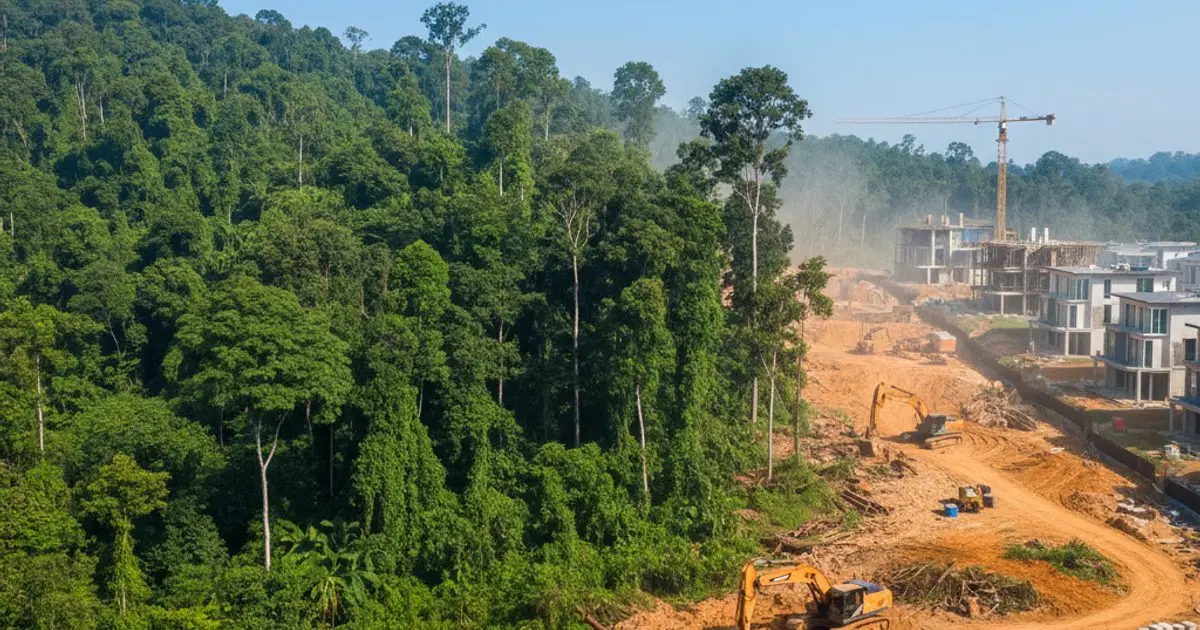
The goal is not to deter applicants but to ensure that their presence contributes positively, or at least neutrally, to Malaysia’s environmental well-being. This proactive stance could set a new benchmark for residency programs globally, demonstrating a commitment to sustainability.
MM2H Program: Economic Benefits vs. Environmental Costs
The MM2H program undeniably brings substantial economic benefits, including foreign investment and increased consumer spending, but these must now be carefully weighed against the potential long-term environmental costs of increased resource strain and habitat degradation. This balancing act requires a sophisticated understanding of both immediate gains and future ecological liabilities.
Economically, the program has been a success. A 2022 report by the Institute for Democracy and Economic Affairs (IDEAS) estimated that MM2H participants contribute billions to the Malaysian economy annually through property purchases, living expenses, and investments. For example, the average MM2H participant’s property purchase value was RM1.5 million in 2023, according to property consultancy Knight Frank Malaysia. This inflow of capital supports local businesses, creates jobs, and boosts sectors from hospitality to healthcare.
However, the environmental costs are often harder to quantify in immediate monetary terms. The loss of biodiversity, increased pollution, and depletion of natural resources represent ‘externalities’ that are not typically factored into economic models. If not managed, these costs can lead to a decline in quality of life, increased healthcare burdens due to pollution, and a reduction in the very natural attractions that draw people to Malaysia in the first place.
Comparative Analysis: Economic vs. Environmental Impact
| 方面 | Economic Impact | 環境影響 |
|---|---|---|
| Property Market | Boosts demand, increases property values, generates tax revenue. | Increased land conversion, habitat loss, demand for construction materials. |
| Local Spending | Stimulates retail, F&B, tourism, and services sectors. | Higher consumption of goods, increased waste generation, larger carbon footprint. |
| Foreign Investment | Brings capital, potentially creates jobs, diversifies economy. | Can fund projects with high environmental impact if not regulated. |
| Infrastructure Use | Utilizes existing roads, utilities, public services. | Strains water, energy, and waste systems; necessitates new, potentially damaging infrastructure. |
| Cultural Exchange | Enriches local communities, promotes understanding. | Potential for increased ecological footprint if sustainable practices are not adopted. |
The challenge for policymakers is to internalize these environmental costs, making them a central part of the decision-making process. This means moving beyond a purely economic lens to embrace a more holistic, sustainable development paradigm for the MM2H program.
What Role Can MM2H Participants Play in Environmental Stewardship?
MM2H participants can play a significant role in environmental stewardship by actively adopting sustainable living practices, engaging with local environmental initiatives, and advocating for green policies within their communities. Their collective actions can contribute positively to Malaysia’s ecological health.
Many MM2H residents are retirees or individuals seeking a peaceful, natural environment. This demographic often has a higher awareness of environmental issues and a desire to contribute positively to their new home. By providing clear guidelines and opportunities, the government and local communities can empower MM2H participants to become environmental champions.
- Adopting Eco-Friendly Lifestyles: This includes reducing energy and water consumption, practicing waste segregation diligently, opting for public transport or electric vehicles, and choosing locally sourced, sustainable products.
- Community Engagement: Participating in local clean-up drives, reforestation projects, or supporting local environmental NGOs. Many expatriate communities already have informal groups focused on social and environmental causes.
- Knowledge Sharing: Bringing best practices from their home countries regarding sustainability, recycling, and conservation to share with local communities.
- Responsible Tourism: Choosing eco-certified tour operators and engaging in activities that respect local ecosystems and cultures.
MM2H Global, a resource for participants, emphasizes the importance of cultural integration, which increasingly includes environmental responsibility. Educating new residents about local environmental challenges and solutions from the outset can foster a sense of shared responsibility.
The Road Ahead: Balancing Growth and Green for MM2H
The road ahead for the MM2H program involves a delicate but essential balancing act between continued economic growth and robust environmental protection, demanding innovative policy solutions and collaborative efforts. This means moving towards a model where the program’s success is measured not just by financial metrics, but also by its ecological sustainability.
The scrutiny currently facing MM2H is not unique; similar debates are happening globally as countries grapple with the environmental impact of tourism and long-term residency programs. What makes Malaysia’s situation particularly pressing is its rich biodiversity and the increasing threats posed by climate change and rapid urbanization.
Key stakeholders, including government ministries, environmental NGOs, local communities, and MM2H participants themselves, must work together. The government’s role is to craft clear, enforceable policies that integrate sustainability at every level. Environmental groups can provide crucial data and advocacy, while local communities offer ground-level insights and participation. MM2H participants, as new members of society, have a responsibility to adapt and contribute positively.

Ultimately, the goal is to evolve the MM2H program into a model of sustainable residency, ensuring that Malaysia remains an attractive destination for foreign residents without compromising its invaluable natural heritage for future generations. This is a chance for Malaysia to lead by example, proving that economic prosperity and environmental stewardship can, and must, go hand-in-hand.
常見問答
MM2H 計劃是什麼?
The MM2H program, or ‘Malaysia My Second Home,’ is a long-term visa program initiated by the Malaysian government to allow eligible foreigners to live in Malaysia on a renewable social visit pass. It aims to attract individuals who can contribute to the Malaysian economy and society.
Which government body oversees the MM2H program?
The MM2H program is primarily overseen by the Ministry of Tourism, Arts and Culture (MOTAC) in Malaysia. However, other ministries, such as the Ministry of Home Affairs, are also involved in aspects like visa issuance and security clearances.
Are there different categories of MM2H?
Yes, as of recently, there are different categories of MM2H, including the ‘MM2H Platinum,’ ‘MM2H Gold,’ and ‘MM2H Silver’ tiers, each with varying financial requirements and benefits. These tiers were introduced to cater to different applicant profiles and investment capacities.
How many people have participated in MM2H?
According to data from the Ministry of Tourism, Arts and Culture (MOTAC) as of 2023, over 50,000 individuals have been approved for the MM2H program since its inception. This number includes both primary applicants and their dependents.
MM2H 計劃主要為參與者帶來的好處為何?
MM2H participants enjoy benefits such as a long-term, renewable visa, the ability to purchase property, bring dependents, and enjoy Malaysia’s low cost of living, diverse culture, and quality healthcare. They also benefit from certain tax incentives and the freedom to travel in and out of Malaysia.
How can MM2H participants contribute to local environmental efforts?
MM2H participants can contribute by adopting eco-friendly habits like recycling and conserving resources, joining local environmental clean-up groups, supporting sustainable businesses, and educating themselves on Malaysia’s unique ecosystems and conservation needs. Many local NGOs welcome volunteer support.
Will environmental concerns lead to stricter MM2H requirements?
It is possible that environmental concerns could lead to stricter requirements for the MM2H program, particularly regarding sustainable living practices or contributions to green initiatives. Discussions are ongoing as of June 6, 2026, to integrate sustainability more deeply into the program’s framework, potentially influencing future policy adjustments.
最後更新:2026年6月6日
 Chinese (Taiwan)
  English
  Chinese (China)