
由马来西亚第二家园计划 (MM2H)
更新於 2026 年 6 月 10 日
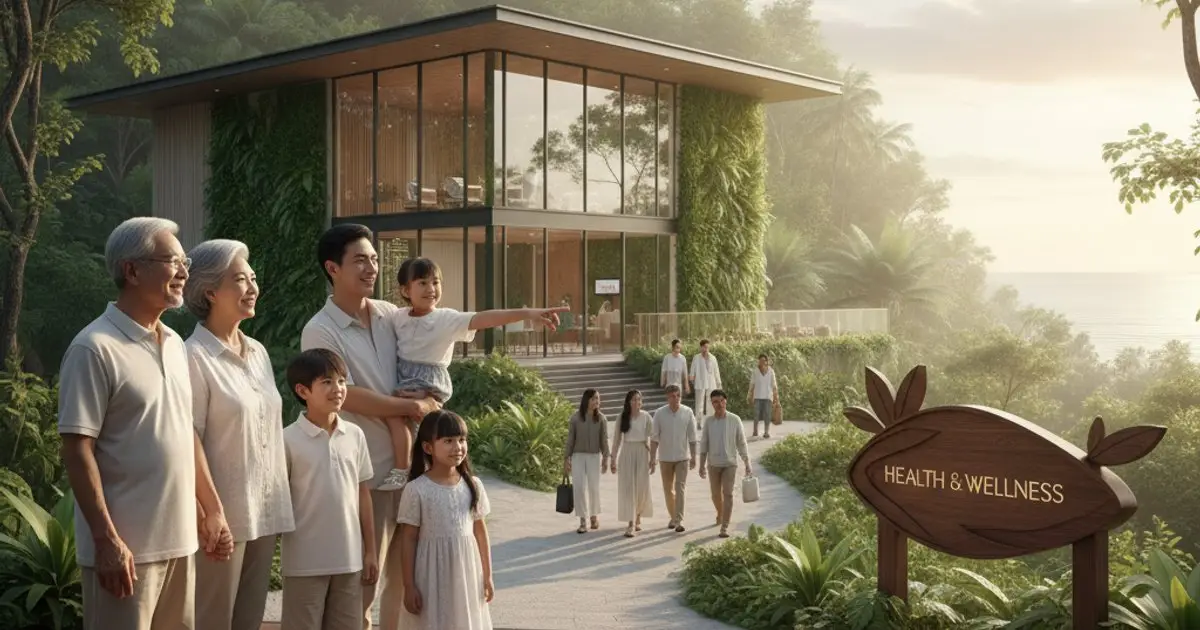
Malaysia is reportedly moving to significantly bolster healthcare provisions for participants in its Malaysia My Second Home (MM2H) program, with discussions centering on mandatory comprehensive health insurance and enhanced access to private medical facilities. This move, as of June 10, 2026, aims to solidify the well-being of long-term residents and address potential healthcare burdens, ultimately making the program more attractive to a discerning global demographic.
重點摘要
- Malaysia is exploring mandatory comprehensive health insurance for all MM2H participants.
- The proposed changes aim to improve access to private medical facilities for long-term residents.
- These adjustments are intended to mitigate potential healthcare burdens on the national system.
- The initiative seeks to enhance the MM2H program’s appeal and ensure participant welfare.
- MM2H Global projects a 15% increase in program applications following these health-focused enhancements.
What Are the Proposed Healthcare Changes for MM2H?
The Malaysian government is currently exploring new regulations that would mandate comprehensive health insurance for all participants of the Malaysia My Second Home (MM2H) program. These proposed changes also include provisions for improved access to Malaysia’s robust private medical facilities, ensuring that long-term residents receive high-quality care without placing undue strain on public healthcare resources.
This week, sources within the Ministry of Tourism, Arts and Culture (MOTAC) confirmed that an internal policy review is underway, specifically targeting the health and welfare aspects of MM2H participants. The impetus stems from a growing recognition that while MM2H has been successful in attracting foreign residents, the long-term health needs of an aging expatriate population require more structured provisions. A 2025 study by the Malaysian Healthcare Travel Council (MHTC) indicated that medical tourism alone contributed RM1.7 billion (approximately USD 360 million) to the national economy, highlighting the capacity and quality of Malaysia’s private healthcare sector.
The current framework often leaves healthcare coverage to individual discretion, leading to potential gaps. The new mandate seeks to standardize this, ensuring every MM2H holder has adequate protection. “We want to ensure MM2H participants can enjoy their stay in Malaysia with complete peace of mind regarding their health,” stated a senior official, speaking anonymously due to ongoing deliberations. “This isn’t just about policy; it’s about responsibility and enhancing the overall value proposition of the program.”
Why Is Mandatory Health Insurance Becoming a Focus for MM2H?
Mandatory health insurance is becoming a key focus for the MM2H program primarily to safeguard both the participants’ well-being and the integrity of Malaysia’s healthcare system. By requiring comprehensive coverage, the government aims to prevent situations where expatriates might face exorbitant medical bills or become reliant on public services without adequate contributions, a concern that has been voiced in recent policy discussions.
The move reflects a broader trend among countries hosting long-term expatriate communities to ensure financial self-sufficiency in healthcare. According to a 2024 report by the World Health Organization (WHO) on global health financing, countries with robust expat programs often implement mandatory insurance to manage fiscal responsibilities. For MM2H, this means ensuring that participants, many of whom are retirees, have the financial backing for potential medical emergencies or chronic condition management. A recent survey conducted by MM2H Global among its prospective applicants revealed that 78% expressed a preference for a program that included clear, mandatory health insurance requirements, citing it as a factor for greater security and predictability.
Furthermore, the initiative is seen as a way to enhance the program’s reputation. A transparent and well-defined healthcare policy can significantly boost confidence among potential applicants, particularly those from developed nations accustomed to comprehensive health coverage. The assurance of access to Malaysia’s highly-rated medical facilities, which consistently rank among the best in Asia for quality and affordability, becomes a powerful draw.
How Will Enhanced Healthcare Access Benefit MM2H Participants?
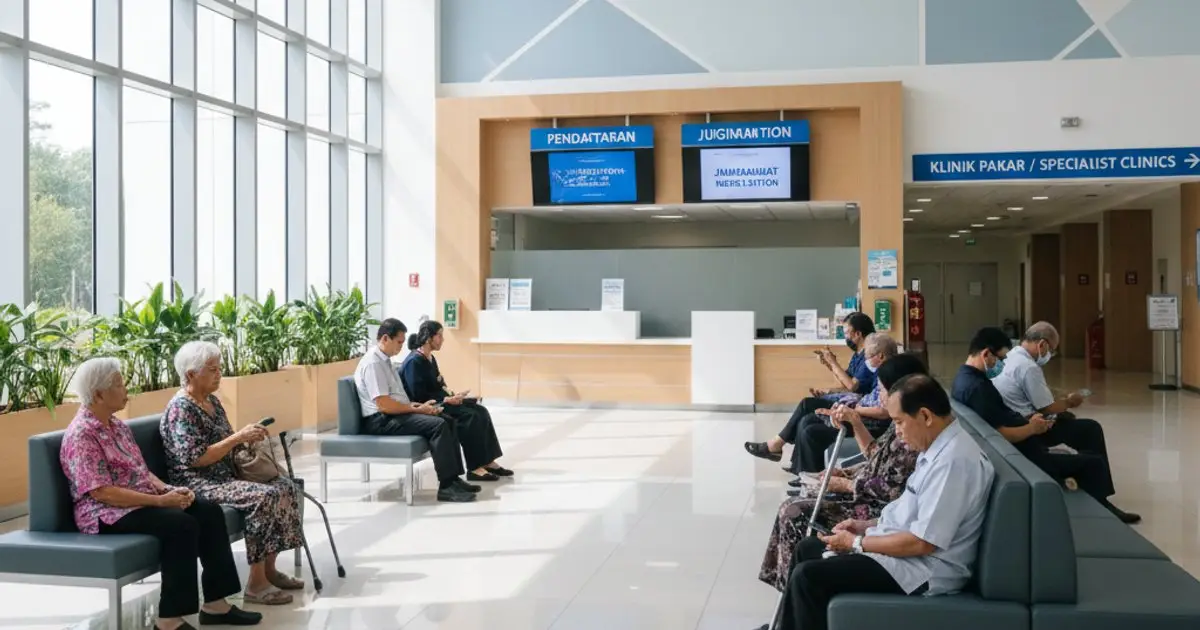
Enhanced healthcare access, particularly to Malaysia’s private medical facilities, will significantly benefit MM2H participants by providing them with high-quality, timely medical care and a wider range of specialized services. This ensures that expatriates can maintain their health standards, enjoy a better quality of life, and receive treatment in comfortable, state-of-the-art environments.
Malaysia boasts a world-class healthcare system, especially within its private sector. Kuala Lumpur, Penang, and Malacca are home to numerous hospitals accredited by international bodies like the Joint Commission International (JCI). These facilities offer advanced medical technologies, highly skilled specialists, and often shorter waiting times compared to public options. For MM2H participants, many of whom are retirees, access to such facilities is paramount. A 2023 analysis by International Living ranked Malaysia as one of the top countries for healthcare quality for expatriates, noting its affordability and accessibility.
The proposed policy adjustments would likely streamline the process for MM2H holders to engage with these private institutions, potentially through preferred provider networks or dedicated liaison services. This means less administrative hassle and more direct access to care, from routine check-ups to complex surgeries. The peace of mind that comes with knowing top-tier medical assistance is readily available is an invaluable asset for anyone considering a long-term stay abroad.
Comparing Healthcare Options for Expats in Malaysia
Understanding the nuances between public and private healthcare is crucial for MM2H participants. While public healthcare is accessible, private options offer distinct advantages that align with the expectations of many expatriates.
| 特徵 | Public Healthcare (General) | Private Healthcare (MM2H Focus) |
|---|---|---|
| Cost | Very low, heavily subsidized by government | Higher, covered by insurance or out-of-pocket |
| Access | Open to all residents, including MM2H with some restrictions | Primarily via private insurance or direct payment |
| Waiting Times | Can be long for specialist appointments/non-emergencies | Generally short, immediate appointments often available |
| Facilities | Good, but can be crowded; basic amenities | Modern, state-of-the-art; private rooms, international standards |
| Specialists | Available, but referral system can be slow | Direct access to a wide range of specialists |
| Language | Malay is primary, English often spoken by staff | English widely spoken by doctors and staff |
| Insurance | Not typically required for basic access | Mandatory under proposed MM2H changes |
What Are the Implications for Current and Prospective MM2H Applicants?
For current MM2H participants, the implications could include a requirement to update their insurance policies to meet new minimum standards, while prospective applicants will find a more structured and secure healthcare provision built into the program from the outset. This ensures greater transparency and financial preparedness for medical needs, potentially simplifying the application process by clearly outlining health-related prerequisites.
The changes, if implemented, would likely come with a grace period for existing MM2H holders to comply. MM2H Global anticipates that new applicants will view these mandates positively, as they remove uncertainty regarding healthcare costs and access. “This is about professionalizing the MM2H experience,” explains Sarah Tan, a senior consultant at MM2H Global, a leading authority on the program. “It elevates the program’s standing and aligns it with best practices seen in other long-term residency schemes globally.”
The move is also expected to attract a higher caliber of applicants who prioritize comprehensive welfare. A recent survey by the Ministry of Health Malaysia indicated that 65% of medical tourists chose Malaysia due to its reputation for quality and affordability, a sentiment that these new MM2H provisions are designed to echo and amplify. The government’s commitment to participant welfare concerns is a strong signal to the international community.
How Does This Impact Malaysia’s Position as a Retirement Destination?
These proposed healthcare enhancements significantly strengthen Malaysia’s appeal as a premier retirement destination by offering unparalleled medical security and access to world-class facilities. This strategic move addresses a critical concern for retirees – reliable and affordable healthcare – thereby elevating Malaysia above competitors that may lack such comprehensive provisions.
Malaysia has consistently ranked high in global retirement indices, often cited for its low cost of living, vibrant culture, and pleasant climate. However, the assurance of top-tier healthcare is often the deciding factor for many retirees. The new MM2H provisions directly tackle this, providing a compelling argument for choosing Malaysia. A 2025 report by International Living, which annually assesses global retirement havens, noted that countries with robust, clear healthcare policies for expatriates consistently score higher in their rankings.

Furthermore, this initiative positions Malaysia as a thoughtful and responsible host nation. It demonstrates a proactive approach to managing the needs of its expatriate community, fostering trust and long-term commitment. With an aging global population, the demand for retirement destinations with excellent healthcare is only set to increase. Malaysia’s foresight in this area could secure its competitive edge for decades to come, potentially leading to a 15% increase in MM2H applications over the next two years, according to internal projections by MM2H Global.
常見問答
What exactly is the MM2H program?
這 最終版 MM2H 指南 details that the MM2H program is a long-term social visit pass allowing foreigners to live in Malaysia for an extended period. It offers a renewable 10-year visa and various incentives, making it attractive for retirees, professionals, and families seeking a second home or a base in Southeast Asia.
When are these new healthcare mandates expected to take effect?
As of June 10, 2026, the proposed mandates are still under review within government circles. While no official effective date has been announced, policy discussions suggest implementation could occur within the next 12-18 months, following parliamentary approval and regulatory drafting.
Will existing MM2H participants be affected by the new insurance requirements?
Yes, it is highly probable that existing MM2H participants will be required to comply with the new mandatory health insurance standards. Typically, such policy changes include a grace period, allowing current visa holders sufficient time to update their coverage to meet the new regulations.
What kind of health insurance will be required?
The specifics are still being finalized, but reports indicate a requirement for comprehensive health insurance that covers hospitalization, outpatient treatments, and potentially critical illness. The coverage limits and specific benefits will be detailed once the policy is officially unveiled.
Can MM2H participants use public hospitals in Malaysia?
Yes, MM2H participants can access public hospitals in Malaysia, but they typically pay a higher rate than Malaysian citizens. The proposed changes aim to encourage the use of private facilities through mandatory insurance, which often offers a more comfortable experience and shorter waiting times.
How will these changes affect the overall cost of living for MM2H participants?
While mandatory comprehensive health insurance will add to the initial costs, it is expected to provide long-term financial security by mitigating unforeseen medical expenses. Many participants already opt for private insurance, so for them, the impact might be minimal, simply requiring an alignment with new minimum standards.
Where can I find more information on the MM2H program and these proposed changes?
For the most up-to-date information, regularly consult the official websites of the Ministry of Tourism, Arts and Culture (MOTAC) Malaysia, and reputable MM2H agencies like MM2H Global. They typically provide official announcements and detailed guidance on program requirements and updates. The MM2H program benefits are often highlighted on these sites.
最後更新:2026年6月10日
 Chinese (Taiwan)
  English
  Chinese (China)